ກຸ່ມປາກະດູກອ່ອນ (ເຊັ່ນ: ປາສະຫລາມ, ປາຜາໄລ) (sharks and rays) >
Carcharhiniformes (Ground sharks) >
Carcharhinidae (Requiem sharks)
Etymology: Rhizoprionodon: rhiza (Gr.), root; prion (Gr.) saw; odon (Gr.), tooth, referring to teeth with serrated (saw-like) bases, or roots [replacement name for Rhizoprion Ogilby 1915, preoccupied by Rhizoprion Jourdan 1861 in mammals] (See ETYFish); porosus: Latin for pored or full of holes, referring to enlarged hyomandibular pores on both sides of head (See ETYFish).
More on author: Poey.
ສະພາບແວດລ້ອມ: ສະພາບແວດລ້ອມ / ເຂດດິນຟ້າອາກາດ / ລະດັບຄວາມເລິກ / ຂອບເຂດການແຈກຢາຍ
ນິເວດວິທະຍາ
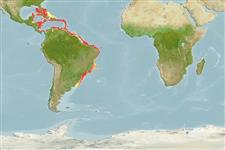
ສັດທະເລ; ນ້ຳຈືດ; ນ້ຳກ່ອຍ ກ່ຽວກັນຫີນ; ລະດັບຄວາມເລິກ ? - 500 m (Ref. 244), usually ? - 100 m (Ref. 244). Tropical; 28°N - 40°S, 88°W - 32°W (Ref. 55194)
Western Atlantic: Caribbean, including the Bahamas, south to Uruguay. The separation of this species from Rhizoprionodon terraenovae whether as a distinct species or a representative of a southern subspecies is still uncertain and pending until detailed studies are commenced.
ຄວາມຍາວໃນການເຕີບໂຕເຕັມຄັ້ງທໍາອິດ / ຂະໜາດ / ນ້ຳໜັກ / ອາຍຸ
ການຈະເລີນເຕັມໄວ: Lm 65.0, range 80 - ? cm
Max length : 113 cm TL ຕົວຜູ້/ບໍ່ມີເພດ; (Ref. 111958); common length : 75.0 cm TL ຕົວຜູ້/ບໍ່ມີເພດ; (Ref. 5217); ນ້ຳໜັກສູງສຸດທີ່ເຄຍຈັດພີມມາ: 7.5 kg (Ref. 111958)
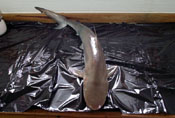
Common in bays and estuaries often entering rivers. Also found in offshore waters at depths of about 500 m, generally less than 100 m. Feeds mainly on small bony fishes, including wrasses, but also marine snails, squid and shrimp. Viviparous, with 2 to 6 young in a litter. Size at birth about 31 to 39 cm. Utilized salted or frozen for human consumption and processed into fish meal. Not dangerous (Ref. 9710).
Distinct pairing with embrace (Ref. 205). Viviparous, placental (Ref. 50449).
Compagno, L.J.V., 1984. FAO Species Catalogue. Vol. 4. Sharks of the world. An annotated and illustrated catalogue of shark species known to date. Part 2 - Carcharhiniformes. FAO Fish. Synop. 125(4/2):251-655. Rome: FAO. (Ref. 244)
ສະຖານະພາບບັນຊີແດງຂອງ IUCN (Ref. 130435: Version 2025-2 (Global))
ໄພຂົ່ມຂູ່ຕໍ່ມະນຸດ
Harmless
ການນໍາໃຊ້ຂອງມະນຸດ
ການປະມົງ: ເປັນສີນຄ້າ
ເຄື່ອງມື
ບົດລາຍງານພິເສດ
ດາວໂຫລດ XML
ແຫຼ່ງອີນເຕີເນັດ
ການຄາດຄະເນໂດຍອີງໃສ່ແບບຈໍາລອງ
ອຸນຫະພູມທີ່ຕ້ອງການ (ເອກະສານອ້າງອີງ
123201): 17.5 - 27.1, mean 24.2 °C (based on 80 cells).
ດັດຊະນີຄວາມຫຼາກຫຼາຍທາງຊີວະພາບ (ເອກະສານອ້າງອີງ
82804): PD
50 = 0.5078 [Uniqueness, from 0.5 = low to 2.0 = high].
Bayesian length-weight: a=0.00219 (0.00145 - 0.00330), b=3.08 (2.96 - 3.20), in cm total length, based on LWR estimates for this species & Genus-body shape (Ref.
93245).
ຊັ້ນເຂດຮ້ອນ (ເອກະສານອ້າງອີງ
69278): 4.0 ±0.2 se; based on diet studies.
Generation time: 3.7 ( na - na) years. Estimated as median ln(3)/K based on 2
growth studies.
ຄວາມຢືດຢຸ່ນ (ເອກະສານອ້າງອີງ
120179): ຕຳ່ຫຼາຍ, ປະຊາກອນຕຳ່ສຸດທີ່ໃຊ້ເວລາສອງເທົ່າຫຼາຍກວ່າ 14 ປີ (Fec=2; K=0.3-0.42).
ຄວາມສ່ຽງຕໍ່ການຫາປາ (Ref.
59153): Moderate to high vulnerability (51 of 100).
🛈
ທາດອາຫານ (Ref.
124155): Calcium = 8.95 [1.65, 47.15] mg/100g; Iron = 0.433 [0.104, 1.231] mg/100g; Protein = 22.2 [19.3, 24.6] %; Omega3 = 0.143 [0.058, 0.338] g/100g; Selenium = 38 [11, 110] μg/100g; VitaminA = 58.9 [20.5, 179.1] μg/100g; Zinc = 0.758 [0.366, 1.514] mg/100g (wet weight);