ການຈັດປະເພດ / ຊື່
ຊື່ສາມັນ | ຄຳສັບຄ້າຍຄືກັນ | Catalog of Fishes(ຕະກຸນ, ຊະນິດ) | ITIS | CoL | WoRMS | Cloffa
>
Siluriformes (Catfishes) >
Loricariidae (Armored catfishes) > Hypoptopomatinae
Etymology: Parotocinclus: Greek, para in the side of + greek, ous, otis = ear + Greek, kygklos, ou = a fish (Ref. 45335); robustus: The specific name is from the Latin adjective robustus, meaning robust, referring to the strong and robust appearance of the fish.
ສະພາບແວດລ້ອມ: ສະພາບແວດລ້ອມ / ເຂດດິນຟ້າອາກາດ / ລະດັບຄວາມເລິກ / ຂອບເຂດການແຈກຢາຍ
ນິເວດວິທະຍາ
; ນ້ຳຈືດ ອາໄສຢູ່ໃກ້ໜ້າດິນໃຕ້ພື້ນທ້ອງນ້ຳ. Tropical
South America: upper and middle Rio São Francico basin in Brazil.
ຂະໜາດ / ນ້ຳໜັກ / ອາຍຸ
ການຈະເລີນເຕັມໄວ: Lm ? range ? - ? cm
Max length : 4.2 cm SL ຕົວຜູ້/ບໍ່ມີເພດ; (Ref. 91034)
ຄຳອະທິບາຍສັ້ນໆ
ຕົວທີ່ໃຊ້ໃນການຈຳແນກຊະນິດ | ສະລີລະວິທະຍາ | ການວັດແທກຮູບຮ່າງລັກສະນະພາຍນອກຂອງດິນ,ສັດ,ປາ…
ຄີ (ໜາມ)ແຂງຢູ່ຫຼັງປາ (ທັງໝົດ) : 1; ຄີຫຼັງຂອງປາ (ຄີອ່ອນ) (ທັງໝົດ) : 7; ຄີກົ້ນຂອງປາ: 6. Distinguished from all species of Parotocinclus, except P. prata, by its abdomen
completely devoid of dermal plates between the pectoral girdle and the anus. Differs from P. prata by having the ventral surface of the head behind the lower lip smooth, without rugosities in adults (vs. ventral surface of the head behind the lower lip highly rugose in adult specimens), and by having the postrostral plate 4 contacting the infraorbitals 3 and 4 (vs. postrostral plate 4 not contacting the infraorbital series). Can be further diagnosed from most congeners, except P. arandai, P. bahiensis, P. prata, and P. spilurus, by having the rostral plate not visible ventrally on the snout tip (vs. rostral plate visible ventrally on the snout tip); and from most congeners, except P. spilurus, P. cearensis, P. prata, P. jumbo, P. spilosoma, and P. cesarpintoi, by having the pectoral girdle covered by skin medially and exposed and supporting odontodes only laterally (vs. pectoral girdle exposed and supporting odontodes both medially and laterally) (Ref. 91034).
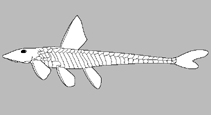
Body shape (shape guide): elongated.
Facultative air-breathing in the genus (Ref. 126274); Occurs in small to median-sized rivers with shallow water (0.4-1.5 m depth), slow to median-speed waterflow and clear to slightly turbid water running over a mixed bottom consisting of stones, gravel, sand and sometimes mud. Mostly found on the marginal vegetation (Ref. 91034).
ວົງຈອນຊີວິດ ແລະພຶດຕິກໍາການຫາຄູ່
ການຈະເລີນເຕັມໄວ | ການສືບພັນ | ການວາງໄຂ່ | ໄຂ່ | ຄວາມດົກຂອງໄຂ່ປາ | ຕົວອ່ອນ
Lehmann, A.P. and R.E. Reis, 2012. A new species of Parotocinclus (Siluriformes: Loricariidae) from the upper Rio São Francisco, Brazil. Zootaxa 3390:56-64. (Ref. 91034)
ສະຖານະພາບບັນຊີແດງຂອງ IUCN (Ref. 130435: Version 2025-2 (Global))
ໄພຂົ່ມຂູ່ຕໍ່ມະນຸດ
Harmless
ການນໍາໃຊ້ຂອງມະນຸດ
ເຄື່ອງມື
ບົດລາຍງານພິເສດ
ດາວໂຫລດ XML
ແຫຼ່ງອີນເຕີເນັດ
ການຄາດຄະເນໂດຍອີງໃສ່ແບບຈໍາລອງ
ດັດຊະນີຄວາມຫຼາກຫຼາຍທາງຊີວະພາບ (ເອກະສານອ້າງອີງ
82804): PD
50 = 0.5000 [Uniqueness, from 0.5 = low to 2.0 = high].
Bayesian length-weight: a=0.00977 (0.00434 - 0.02202), b=3.06 (2.87 - 3.25), in cm total length, based on LWR estimates for this (Sub)family-body shape (Ref.
93245).
ຄວາມຢືດຢຸ່ນ (ເອກະສານອ້າງອີງ
120179): ສູງ, ປະຊາກອນຕຳ່ສຸດທີ່ໃຊ້ເວລາສອງໜ້ອຍກວ່າ 15 ເດືອນ (Preliminary K or Fecundity.).
ຄວາມສ່ຽງຕໍ່ການຫາປາ (Ref.
59153): Low vulnerability (10 of 100).
🛈