>
Cichliformes (Cichlids, convict blennies) >
Cichlidae (Cichlids) > Cichlinae
Etymology: Cichla: Greek, kichle = wrasse (Ref. 45335).
Taxonomic Remarks
Redescription based on Venezuelan material in Machado-Allison (1971), as C. ocellaris.
ສະພາບແວດລ້ອມ: ສະພາບແວດລ້ອມ / ເຂດດິນຟ້າອາກາດ / ລະດັບຄວາມເລິກ / ຂອບເຂດການແຈກຢາຍ
ນິເວດວິທະຍາ
; ນ້ຳຈືດ ກ່ຽວກັບ (ຢູ່)ເທິງຊັ້ນພື້ນດິນໃນທະເລເປີດ; pH range: 5.5 - 6.5; ບໍ່ມີການເຄື່ອນຍ້າຍ (Ref. 126106). Tropical; 27°C - 29°C (Ref. 13614)
South America: Amazon River basin in the Negro and Uatumã River drainages; Orinoco River basin in tributaries of the Orinoco River in Venezuela and Colombia.
ຄວາມຍາວໃນການເຕີບໂຕເຕັມຄັ້ງທໍາອິດ / ຂະໜາດ / ນ້ຳໜັກ / ອາຍຸ
ການຈະເລີນເຕັມໄວ: Lm 33.5, range 31 - 36 cm
Max length : 99.0 cm TL ຕົວຜູ້/ບໍ່ມີເພດ; (Ref. 40637); ນ້ຳໜັກສູງສຸດທີ່ເຄຍຈັດພີມມາ: 12.2 kg (Ref. 40637)
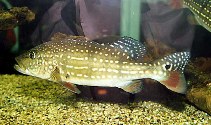
Diagnosis: A large, elongate species with small scales (E1 row scales 98-128, usually more than 110, vs. usually less than 110 in other species of Cichla). Postorbital band is present, entire, may be irregular but does not consist of scattered spots, vs. absent or present as scattered spots in other species of Cichla species. Lateral line is usually continuous. It is most similar to C. pinima and C. vazzoleri, sharing subadult to young adult color pattern including dark midlateral band and four rows of regularly arranged light spots along side, but light spots slightly elongate instead of round. It is different from C. pinima and C. vazzoleri in lacking dark lateral blotches with intensified light margins; vertical bars when expressed entire, never forming round blotches; ocellated blotches on dorsal side absent at all sizes; postorbital band entire (vs. expressed as scattered dark blotches); dark blotch associated with preopercle absent (present in C. vazzoleri); lateral line nearly always continuous (vs. usually discontinuous in C. vazzoleri) (Ref. 57716).
Body shape (shape guide): fusiform / normal.
Adults occupy deeper littoral areas in lagoons and sandy and rocky banks of the main river channel. They feed mainly on small fish (especially characids measuring <10 cm SL) (Ref. 26329, 27531). Oviparous (Ref. 205). Has been introduced to Florida and Texas, but is considered not established yet.
ວົງຈອນຊີວິດ ແລະພຶດຕິກໍາການຫາຄູ່
ການຈະເລີນເຕັມໄວ | ການສືບພັນ | ການວາງໄຂ່ | ໄຂ່ | ຄວາມດົກຂອງໄຂ່ປາ | ຕົວອ່ອນ
Kullander, S.O., 2003. Cichlidae (Cichlids). p. 605-654. In R.E. Reis, S.O. Kullander and C.J. Ferraris, Jr. (eds.) Checklist of the Freshwater Fishes of South and Central America. Porto Alegre: EDIPUCRS, Brasil. (Ref. 36377)
ສະຖານະພາບບັນຊີແດງຂອງ IUCN (Ref. 130435: Version 2025-2 (Global))
ໄພຂົ່ມຂູ່ຕໍ່ມະນຸດ
Harmless
ການນໍາໃຊ້ຂອງມະນຸດ
ການປະມົງ: ເປັນສີນຄ້າ; ການລ້ຽງສັດນ້ຳ: ເປັນສີນຄ້າ; ຊະນິດປາທີ່ຖືກນຳໃຊ້ເຂົ້າໃນການຫາເພື່ອເປັນເກມກິລາ: ແມ່ນ; ຕູ້ປາ: ເປັນສີນຄ້າ
ເຄື່ອງມື
ບົດລາຍງານພິເສດ
ດາວໂຫລດ XML
ແຫຼ່ງອີນເຕີເນັດ
ການຄາດຄະເນໂດຍອີງໃສ່ແບບຈໍາລອງ
ດັດຊະນີຄວາມຫຼາກຫຼາຍທາງຊີວະພາບ (ເອກະສານອ້າງອີງ
82804): PD
50 = 0.5000 [Uniqueness, from 0.5 = low to 2.0 = high].
Bayesian length-weight: a=0.01122 (0.00512 - 0.02461), b=3.08 (2.91 - 3.25), in cm total length, based on LWR estimates for this Genus-body shape (Ref.
93245).
ຊັ້ນເຂດຮ້ອນ (ເອກະສານອ້າງອີງ
69278): 4.5 ±0.5 se; based on diet studies.
ຄວາມຢືດຢຸ່ນ (ເອກະສານອ້າງອີງ
120179): ຂະໜາດກາງ, ປະຊາກອນຕຳ່ສຸດທີ່ໃຊ້ເວລາສອງເທົ່າ 1.4 - 4.4 ປີ (K=0.16).
ຄວາມສ່ຽງຕໍ່ການຫາປາ (Ref.
59153): Moderate to high vulnerability (54 of 100).
🛈