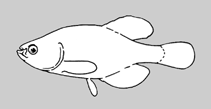
ການຈັດປະເພດ / ຊື່
ຊື່ສາມັນ | ຄຳສັບຄ້າຍຄືກັນ | Catalog of Fishes(ຕະກຸນ, ຊະນິດ) | ITIS | CoL | WoRMS | Cloffa
ສະພາບແວດລ້ອມ: ສະພາບແວດລ້ອມ / ເຂດດິນຟ້າອາກາດ / ລະດັບຄວາມເລິກ / ຂອບເຂດການແຈກຢາຍ
ນິເວດວິທະຍາ
; ນ້ຳຈືດ ກ່ຽວກັບ (ຢູ່)ເທິງຊັ້ນພື້ນດິນໃນທະເລເປີດ. Tropical
South America: Rio Gorutuba floodplains, upper rio Verde Grande drainage in Brazil.
ຂະໜາດ / ນ້ຳໜັກ / ອາຍຸ
ການຈະເລີນເຕັມໄວ: Lm ? range ? - ? cm
Max length : 3.9 cm SL ຕົວຜູ້/ບໍ່ມີເພດ; (Ref. 89836)
ຄຳອະທິບາຍສັ້ນໆ
ຕົວທີ່ໃຊ້ໃນການຈຳແນກຊະນິດ | ສະລີລະວິທະຍາ | ການວັດແທກຮູບຮ່າງລັກສະນະພາຍນອກຂອງດິນ,ສັດ,ປາ…
Distinguished from all members of Hypsolebias flavicaudatus complex, except H. nitens and H. sertanejo, by the presence of elongated bluish white spots on the posterior portion of the dorsal-fin base in males (vs. spots not elongated); whereas the spots are only slightly elongated in H. nitens and H. sertanejo, the spots in H. janaubensis are uniquely elongate, approximately as long as spots of the anterior portion of the fin. Can be separated from H. nitens and H. sertanejo by having the dorsal-fin origin on a vertical between the base of the first and second anal-fin rays in females (vs. between second and seventh rays), besides the dorsal-fin origin usually being anterior to anal-fin origin in males (vs. always posterior); and body more slender in males (body depth 33.9-38.4% SL vs. 39.7-43.2% SL; caudal peduncle depth 12.6-14.3% SL vs. 14.8-17.3% SL. Also differs from H. nitens, H. flavicaudatus and H. gilbertobrasili by having grey bars of flank narrower than interspace (vs. wider); from H. nitens, H. gilbertobrasili and H. guanambi, in having dorsal and anal-fin filaments reaching the posterior margin of the caudal fin (vs. reaching the basal portion of the fin); from H. nitens and H. flavicaudatus, in having the largest spots of middle portion of the flank larger than pupil (vs. smaller); and from H. radiseriatus, H. pterophyllus and H. flagellatus by having fewer dorsal fin filaments (2-3 vs. 4-6).
Body shape (shape guide): short and / or deep.
ວົງຈອນຊີວິດ ແລະພຶດຕິກໍາການຫາຄູ່
ການຈະເລີນເຕັມໄວ | ການສືບພັນ | ການວາງໄຂ່ | ໄຂ່ | ຄວາມດົກຂອງໄຂ່ປາ | ຕົວອ່ອນ
Costa, W.J.E.M., P.F. Amorim and J.L. Mattos, 2012. Species delimitation in annual killifishes from the Brazilian Caatinga, the Hypsolebias flavicaudatus complex (Cypriniformes: Rivulidae): implications for taxonomy and conservation. Systematics and Biodiversity 10(1):71-91. (Ref. 89836)
ສະຖານະພາບບັນຊີແດງຂອງ IUCN (Ref. 130435: Version 2025-2 (Global))
ໄພຂົ່ມຂູ່ຕໍ່ມະນຸດ
Harmless
ການນໍາໃຊ້ຂອງມະນຸດ
ເຄື່ອງມື
ບົດລາຍງານພິເສດ
ດາວໂຫລດ XML
ແຫຼ່ງອີນເຕີເນັດ
ການຄາດຄະເນໂດຍອີງໃສ່ແບບຈໍາລອງ
ດັດຊະນີຄວາມຫຼາກຫຼາຍທາງຊີວະພາບ (ເອກະສານອ້າງອີງ
82804): PD
50 = 0.5000 [Uniqueness, from 0.5 = low to 2.0 = high].
Bayesian length-weight: a=0.01995 (0.00906 - 0.04395), b=3.01 (2.83 - 3.19), in cm total length, based on all LWR estimates for this body shape (Ref.
93245).
ຊັ້ນເຂດຮ້ອນ (ເອກະສານອ້າງອີງ
69278): 3.2 ±0.4 se; based on size and trophs of closest relatives
ຄວາມຢືດຢຸ່ນ (ເອກະສານອ້າງອີງ
120179): ສູງ, ປະຊາກອນຕຳ່ສຸດທີ່ໃຊ້ເວລາສອງໜ້ອຍກວ່າ 15 ເດືອນ (Preliminary K or Fecundity.).
ຄວາມສ່ຽງຕໍ່ການຫາປາ (Ref.
59153): Low vulnerability (10 of 100).
🛈