ສະພາບແວດລ້ອມ: ສະພາບແວດລ້ອມ / ເຂດດິນຟ້າອາກາດ / ລະດັບຄວາມເລິກ / ຂອບເຂດການແຈກຢາຍ
ນິເວດວິທະຍາ
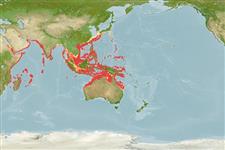
ສັດທະເລ ອາໄສຢູ່ໃກ້ໜ້າດິນໃຕ້ພື້ນທ້ອງນ້ຳ; ລະດັບຄວາມເລິກ 18 - 383 m (Ref. 5222). Tropical; 36°N - 24°S, 36°E - 155°E (Ref. 5222)
Indo-West Pacific: spotty distribution from the Red Sea to Japan and Papua New Guinea. Referred to as Epinephelus morrhua morrhua in Japan (Ref. 5978).
ຂະໜາດ / ນ້ຳໜັກ / ອາຍຸ
ການຈະເລີນເຕັມໄວ: Lm ? range ? - ? cm
Max length : 70.0 cm SL ຕົວຜູ້/ບໍ່ມີເພດ; (Ref. 4787)
ຄີ (ໜາມ)ແຂງຢູ່ຫຼັງປາ (ທັງໝົດ) : 11; ຄີຫຼັງຂອງປາ (ຄີອ່ອນ) (ທັງໝົດ) : 13 - 15; ຄີ(ໜາມ) ແຂງຢູ່ຄີກົ້ນປາ
ກຸ່ມປາກະດູກແຂງ
ຄວາມຖີ່ຂອງກຸ່ມຖ່າຍທອດພັນ
ປາທີ່ມີການເຄື່ອນຍ້າຍຈາກທະເລໄປຫານ້ຳຈືດ ແລະນ້ຳຈືດຫາທະເລ
ປາທີ່ມີການເຄື່ອນຍ້າຍຈາກທະເລແລະໄປໄຂ່ຢູ່ນ້ຳຈືດ
ຄີກົ້ນຂອງປາ
ສັດທີ່ມີກະດູກສັນຫັຼງ
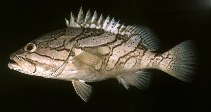
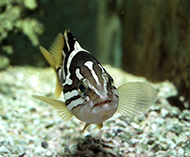
ການຖ່າຍທອດທາງກຳມະພັນຈາກພໍ່ແມ່ຫາລູກ: 3; ຄີກົ້ນຂອງປາ: 8. Distinguished by the following characteristics: tan body color with 5 oblique dark-edged pale bands; dark bands with scattered small black spots and pale blotches, especially dorsally; pale interspaces with small dark brown spots, mainly arranged in series along the middle of the interspaces; adults with dark brown line from the lower edge of the eye to the edge of the subopercle; faint dark band along the maxillary groove and continuing to the edge of the interopercle; dorsal fin and caudal fin covered with small dark spots; juveniles dark brown with black-edged pale brown bands enclosing numerous small black spots; body depth contained 2.6-3.0 times in SL; head length 2.1-2.3 times in SL; nearly flat interorbital, dorsal head profile slightly convex; 2-5 distinctly enlarged serrae on preopercle angle; upper edge of operculum almost straight; adults posterior nostril diameter 2-3 times that of anterior nostrils; maxilla reaches to or past vertical at rear edge of eye; 2 rows of teeth on midlateral part of lower jaw (Ref. 89707).
Body shape (shape guide): fusiform / normal; Cross section: compressed.
Adults are found at depths between 80 to 383 m; juveniles in 18 to 20 m (Ref. 5222), over hard substrates (Ref. 89707). The species is apparently rare (Ref. 5222).
ວົງຈອນຊີວິດ ແລະພຶດຕິກໍາການຫາຄູ່
ການຈະເລີນເຕັມໄວ | ການສືບພັນ | ການວາງໄຂ່ | ໄຂ່ | ຄວາມດົກຂອງໄຂ່ປາ | ຕົວອ່ອນ
Heemstra, P.C. and J.E. Randall, 1993. FAO Species Catalogue. Vol. 16. Groupers of the world (family Serranidae, subfamily Epinephelinae). An annotated and illustrated catalogue of the grouper, rockcod, hind, coral grouper and lyretail species known to date. Rome: FAO. FAO Fish. Synop. 125(16):382 p. (Ref. 5222)
ສະຖານະພາບບັນຊີແດງຂອງ IUCN (Ref. 130435: Version 2025-2 (Global))
ໄພຂົ່ມຂູ່ຕໍ່ມະນຸດ
Harmless
ການນໍາໃຊ້ຂອງມະນຸດ
ການປະມົງ: ທີ່ເປັນການຄ້າໜ້ອຍ
ເຄື່ອງມື
ບົດລາຍງານພິເສດ
ດາວໂຫລດ XML
ແຫຼ່ງອີນເຕີເນັດ
ການຄາດຄະເນໂດຍອີງໃສ່ແບບຈໍາລອງ
ອຸນຫະພູມທີ່ຕ້ອງການ (ເອກະສານອ້າງອີງ
123201): 16.9 - 27.8, mean 23.7 °C (based on 783 cells).
ດັດຊະນີຄວາມຫຼາກຫຼາຍທາງຊີວະພາບ (ເອກະສານອ້າງອີງ
82804): PD
50 = 0.5000 [Uniqueness, from 0.5 = low to 2.0 = high].
Bayesian length-weight: a=0.01738 (0.00993 - 0.03041), b=3.11 (2.97 - 3.25), in cm total length, based on LWR estimates for this species & Genus-body shape (Ref.
93245).
ຊັ້ນເຂດຮ້ອນ (ເອກະສານອ້າງອີງ
69278): 3.8 ±0.61 se; based on food items.
ຄວາມຢືດຢຸ່ນ (ເອກະສານອ້າງອີງ
120179): ຕຳ່, ປະຊາກອນຕຳ່ສຸດທີ່ໃຊ້ເວລາສອງເທົ່າ 4.5 - 14 ປີ (Fec = 55,838).
ຄວາມສ່ຽງຕໍ່ການຫາປາ (Ref.
59153): Moderate to high vulnerability (54 of 100).
🛈