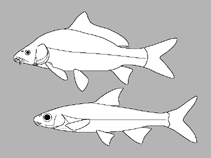
ການຈັດປະເພດ / ຊື່
ຊື່ສາມັນ | ຄຳສັບຄ້າຍຄືກັນ | Catalog of Fishes(ຕະກຸນ, ຊະນິດ) | ITIS | CoL | WoRMS | Cloffa
>
Cypriniformes (Carps) >
Cyprinidae (Minnows or carps) > Barbinae
Etymology: lanigarensis: Luciobarbus lanigarensis is named for Lanigar, the old name of Ouajda province, given by Claudius Ptolemaeus (100-170); an adjective (Ref. 121680).
ສະພາບແວດລ້ອມ: ສະພາບແວດລ້ອມ / ເຂດດິນຟ້າອາກາດ / ລະດັບຄວາມເລິກ / ຂອບເຂດການແຈກຢາຍ
ນິເວດວິທະຍາ
; ນ້ຳຈືດ ກ່ຽວກັບ (ຢູ່) ໄກ້ໜ້ານ້ຳໃນທະເລເປີດ. Subtropical
Africa: Isly River in northeastern Morocco (Ref. 121680).
ຂະໜາດ / ນ້ຳໜັກ / ອາຍຸ
ການຈະເລີນເຕັມໄວ: Lm ? range ? - ? cm
Max length : 15.0 cm SL ຕົວຜູ້/ບໍ່ມີເພດ; (Ref. 121680)
ຄຳອະທິບາຍສັ້ນໆ
ຕົວທີ່ໃຊ້ໃນການຈຳແນກຊະນິດ | ສະລີລະວິທະຍາ | ການວັດແທກຮູບຮ່າງລັກສະນະພາຍນອກຂອງດິນ,ສັດ,ປາ…
ຄີ (ໜາມ)ແຂງຢູ່ຫຼັງປາ (ທັງໝົດ) : 0; ຄີຫຼັງຂອງປາ (ຄີອ່ອນ) (ທັງໝົດ) : 12; ຄີ(ໜາມ) ແຂງຢູ່ຄີກົ້ນປາ
ກຸ່ມປາກະດູກແຂງ
ຄວາມຖີ່ຂອງກຸ່ມຖ່າຍທອດພັນ
ປາທີ່ມີການເຄື່ອນຍ້າຍຈາກທະເລໄປຫານ້ຳຈືດ ແລະນ້ຳຈືດຫາທະເລ
ປາທີ່ມີການເຄື່ອນຍ້າຍຈາກທະເລແລະໄປໄຂ່ຢູ່ນ້ຳຈືດ
ຄີກົ້ນຂອງປາ
ສັດທີ່ມີກະດູກສັນຫັຼງ
ການຖ່າຍທອດທາງກຳມະພັນຈາກພໍ່ແມ່ຫາລູກ: 0; ຄີກົ້ນຂອງປາ: 8. Diagnosis: Luciobarbus lanigarensis is distinguished from other Luciobarbus species from the African Mediterranean Sea basin by a combination of characters, none of them unique (Ref. 121680). It is distinguished from L. guercifensis by having thin barbels vs. thick, the rostral-barbel origin placed clearly behind the tip of the snout, vs. rostral-barbel origin at the extreme anterior of the snout, and from L. mascarensis, L. yahyaouii and L. leptopogon, by having a wider interorbital distance, 38-47% of head length vs. 36-40% in L. mascarensis, 33-40% in L. yahyaouii, 36-39% in L. leptopogon, and a longer pectoral-fin, 21-24% of standard length vs. 16-21% in L. mascarensis, 18-21% in L. yahyaouii; it is further distinguished from L. chelifensis, L. leptopogon and L. mascarensis by having 43-45 + 1-3 lateral line scales, vs. 41-43 + 1-2 in L. chelifensis and L. leptopogon, usually 41 + 1-2 in L. mascarensis (Ref. 121680). It is distinguished from L. callensis, L. chelifensis and L. rifensis by having the last unbranched dorsal-fin ray serrated along 2/3 of its length, vs. last unbranched dorsal-fin ray serrated along almost its entire length, and a longer anal fin, 19-23% of standard length vs. 17-19% in L. callensis and L. chelifensis, 16-19% in L. rifensis; it is also distinguished from L. leptopogon and L. setivimensis by having a greater pre-dorsal distance, 53-59% of standard length vs. 49-52% in L. leptopogon, 47-52% in L. setivimensis (Ref. 121680).
ວົງຈອນຊີວິດ ແລະພຶດຕິກໍາການຫາຄູ່
ການຈະເລີນເຕັມໄວ | ການສືບພັນ | ການວາງໄຂ່ | ໄຂ່ | ຄວາມດົກຂອງໄຂ່ປາ | ຕົວອ່ອນ
Brahimi, A., R. Libois, A. Henrard and J. Freyhof, 2018. Luciobarbus lanigarensis and L. numidiensis, two new species of barbels from the Mediterranean Sea basin in North Africa (Teostei: Cyprinidae). Zootaxa 4433(3):542-560. (Ref. 121680)
ສະຖານະພາບບັນຊີແດງຂອງ IUCN (Ref. 130435: Version 2025-2 (Global))
ມີຄວາມສ່ຽງ (VU) (B1ab(i,ii,iii,iv,v)+2ab(i,ii,iii,iv,v)); Date assessed: 17 May 2021
ໄພຂົ່ມຂູ່ຕໍ່ມະນຸດ
Harmless
ການນໍາໃຊ້ຂອງມະນຸດ
ເຄື່ອງມື
ບົດລາຍງານພິເສດ
ດາວໂຫລດ XML
ແຫຼ່ງອີນເຕີເນັດ
ການຄາດຄະເນໂດຍອີງໃສ່ແບບຈໍາລອງ
ດັດຊະນີຄວາມຫຼາກຫຼາຍທາງຊີວະພາບ (ເອກະສານອ້າງອີງ
82804): PD
50 = 0.5000 [Uniqueness, from 0.5 = low to 2.0 = high].
Bayesian length-weight: a=0.01047 (0.00504 - 0.02175), b=2.99 (2.82 - 3.16), in cm total length, based on LWR estimates for this Genus-body shape (Ref.
93245).
ຊັ້ນເຂດຮ້ອນ (ເອກະສານອ້າງອີງ
69278): 2.9 ±0.3 se; based on size and trophs of closest relatives
ຄວາມຢືດຢຸ່ນ (ເອກະສານອ້າງອີງ
120179): ສູງ, ປະຊາກອນຕຳ່ສຸດທີ່ໃຊ້ເວລາສອງໜ້ອຍກວ່າ 15 ເດືອນ (Preliminary K or Fecundity.).
ຄວາມສ່ຽງຕໍ່ການຫາປາ (Ref.
59153): Low vulnerability (10 of 100).
🛈