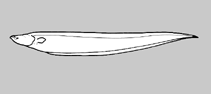
ການຈັດປະເພດ / ຊື່
ຊື່ສາມັນ | ຄຳສັບຄ້າຍຄືກັນ | Catalog of Fishes(ຕະກຸນ, ຊະນິດ) | ITIS | CoL | WoRMS | Cloffa
ສະພາບແວດລ້ອມ: ສະພາບແວດລ້ອມ / ເຂດດິນຟ້າອາກາດ / ລະດັບຄວາມເລິກ / ຂອບເຂດການແຈກຢາຍ
ນິເວດວິທະຍາ
; ນ້ຳຈືດ ກ່ຽວກັບ (ຢູ່)ເທິງຊັ້ນພື້ນດິນໃນທະເລເປີດ. Subtropical
South America: Paraná River and Uruguay River basins.
ຂະໜາດ / ນ້ຳໜັກ / ອາຍຸ
ການຈະເລີນເຕັມໄວ: Lm ? range ? - ? cm
Max length : 30.5 cm TL ຕົວຜູ້/ບໍ່ມີເພດ; (Ref. 118108)
ຄຳອະທິບາຍສັ້ນໆ
ຕົວທີ່ໃຊ້ໃນການຈຳແນກຊະນິດ | ສະລີລະວິທະຍາ | ການວັດແທກຮູບຮ່າງລັກສະນະພາຍນອກຂອງດິນ,ສັດ,ປາ…
ຄີກົ້ນຂອງປາ: 141 - 259. Gymnotus cuia differs from the most similar sympatric G. c. australis by the following characters: shorter head length (8%-12.2% TL, mean 10.9% TL, vs. 11.7%-14.0% TL, mean 12.9% TL); deeper body (body depth 85.4%-133.3% HL, mean 110.6% HL vs. 67.0%-98.8% HL, mean 87.9% HL); and deeper head (head depth 61.9%-80.2% HL, mean 68.5% HL vs. 51.2%-64.6% HL, mean 59.7% HL). It can be distinguished from another similar sympatric species G. omarorum by having more anal-fin pterygiophore scales (6-10, mode 8 vs. 5-6, mode 6); more pored lateral-line scales anterior to the first ventral lateral-line ramus (32-47, mode 37 vs. 23-30, mode 27); and fewer ventral lateral-line rami (14-28, mode 22 vs. 28-30, mode 29). It further differs from all other members of the G. carapo clade in having a color patter consisting of 21-29 (mode 28) obliquely-oriented, chocolate-colored bands with wavy, irregular margins and pale interbands less than one-third width of dark bands at mid-body (vs. bands interrupted into patches anterodorsally, with silver, blue or green metallic countershading on dorsum of adults of G. arapaima, dark bands lost in large adults (>25.0 cm) of G. ardilai, small, rounded dark spots over entire body except posterior 20% of some specimens of G. bahianus, bands faint or absent in all specimens of G. chimarrao, one to three inverted Y-shaped dark bands posteriorly and pale bands not reaching above lateral line in anterior two thirds of body of G. choco, bands broken into speckles throughout in G. diamantinensis, narrow pale bands (<20% width of dark bands) with sharp margins, and pale bands extending fully to dorsal mid-line in G. mamiraua, bands faint or absent from 80% of dorsum in all specimens, and narrow pale bands (<20% width of dark bands) which never extend above lateral line on anterior half of body in G. pantanal, pale bands wider than dark bands in G. sylvius, narrow pale interbands (<33% width of dark bands) extending above lateral line and often to dorsal midline in G. ucamara. It can be further diagnosed from all members of the G. varzea clade (G. chaviro, G. curupira, G. mamiraua, G. obscurus, and G. varzea) by the following characters: relatively more arrowhead-shaped dentary teeth (6 vs. 2-4 in the G. varzea clade except in G. chaviro, G. curupira and G. mamiraua, with 4-7); anterior 80% of anal fin membrane pigmented, posterior 20% translucent (vs. wholly clear or evenly pigmented in the G. varzea clade); and large adult total length (30.5 cm TL vs. 21.5 cm-27.5 cm TL in the G. varzea clade) (Ref. 118108).
Body shape (shape guide): elongated.
Facultative air-breathing in the genus (Ref. 126274); Occurs in lakes and small streams with dense vegetation. Found in abundance in a shallow lake with depth of less than 1 m. dense emergent vegetation, and abundant grass in the shores. Usually abundant in the roots of dense beds of floating water hyacinth Eichornia crassipes throughout its range. Reproductive cycle occurs in November-March (Ref. 118108).
ວົງຈອນຊີວິດ ແລະພຶດຕິກໍາການຫາຄູ່
ການຈະເລີນເຕັມໄວ | ການສືບພັນ | ການວາງໄຂ່ | ໄຂ່ | ຄວາມດົກຂອງໄຂ່ປາ | ຕົວອ່ອນ
Craig, J.M., L.R. Malabarba, W.G.R. Crampton and J.S. Albert, 2018. Revision of banded knifefishes of the Gymnotus carapo and G. tigre clades (Gymnotidae Gymnotiformes) from the Southern Neotropics. Zootaxa 4379(1):47-73. (Ref. 118108)
ສະຖານະພາບບັນຊີແດງຂອງ IUCN (Ref. 130435: Version 2025-2 (Global))
ໄພຂົ່ມຂູ່ຕໍ່ມະນຸດ
Harmless
ການນໍາໃຊ້ຂອງມະນຸດ
ເຄື່ອງມື
ບົດລາຍງານພິເສດ
ດາວໂຫລດ XML
ແຫຼ່ງອີນເຕີເນັດ
ການຄາດຄະເນໂດຍອີງໃສ່ແບບຈໍາລອງ
ດັດຊະນີຄວາມຫຼາກຫຼາຍທາງຊີວະພາບ (ເອກະສານອ້າງອີງ
82804): PD
50 = 0.5000 [Uniqueness, from 0.5 = low to 2.0 = high].
Bayesian length-weight: a=0.00437 (0.00209 - 0.00911), b=2.98 (2.79 - 3.17), in cm total length, based on LWR estimates for this (Sub)family-body shape (Ref.
93245).
ຊັ້ນເຂດຮ້ອນ (ເອກະສານອ້າງອີງ
69278): 3.3 ±0.4 se; based on size and trophs of closest relatives
ຄວາມຢືດຢຸ່ນ (ເອກະສານອ້າງອີງ
120179): ສູງ, ປະຊາກອນຕຳ່ສຸດທີ່ໃຊ້ເວລາສອງໜ້ອຍກວ່າ 15 ເດືອນ (Preliminary K or Fecundity.).
ຄວາມສ່ຽງຕໍ່ການຫາປາ (Ref.
59153): Low vulnerability (21 of 100).
🛈