>
Cichliformes (Cichlids, convict blennies) >
Cichlidae (Cichlids) > Pseudocrenilabrinae
Etymology: Haplochromis: Greek, Haploos = single + Greek, chromis = a fish, perhaps a perch (Ref. 45335); taurinus: Probably refers to Latin 'taurinus', bull, presumably relating to resemblance of head morphology to that of a bull: stout with firmly thickened lips (Ref. 127594).
More on author: Trewavas.
ສະພາບແວດລ້ອມ: ສະພາບແວດລ້ອມ / ເຂດດິນຟ້າອາກາດ / ລະດັບຄວາມເລິກ / ຂອບເຂດການແຈກຢາຍ
ນິເວດວິທະຍາ
; ນ້ຳຈືດ ກ່ຽວກັບ (ຢູ່)ເທິງຊັ້ນພື້ນດິນໃນທະເລເປີດ; ບໍ່ມີການເຄື່ອນຍ້າຍ. Tropical; 1°N - 1°S
Africa: Lakes Edward and George and Kazinga Channel (Ref. 4983, 127594).
ຂະໜາດ / ນ້ຳໜັກ / ອາຍຸ
ການຈະເລີນເຕັມໄວ: Lm ? range ? - ? cm
Max length : 14.0 cm SL ຕົວຜູ້/ບໍ່ມີເພດ; (Ref. 4983)
ຄຳອະທິບາຍສັ້ນໆ
ຕົວທີ່ໃຊ້ໃນການຈຳແນກຊະນິດ | ສະລີລະວິທະຍາ | ການວັດແທກຮູບຮ່າງລັກສະນະພາຍນອກຂອງດິນ,ສັດ,ປາ…
ຄີ (ໜາມ)ແຂງຢູ່ຫຼັງປາ (ທັງໝົດ) : 15 - 17; ຄີຫຼັງຂອງປາ (ຄີອ່ອນ) (ທັງໝົດ) : 8 - 10; ຄີ(ໜາມ) ແຂງຢູ່ຄີກົ້ນປາ
ກຸ່ມປາກະດູກແຂງ
ຄວາມຖີ່ຂອງກຸ່ມຖ່າຍທອດພັນ
ປາທີ່ມີການເຄື່ອນຍ້າຍຈາກທະເລໄປຫານ້ຳຈືດ ແລະນ້ຳຈືດຫາທະເລ
ປາທີ່ມີການເຄື່ອນຍ້າຍຈາກທະເລແລະໄປໄຂ່ຢູ່ນ້ຳຈືດ
ຄີກົ້ນຂອງປາ
ສັດທີ່ມີກະດູກສັນຫັຼງ
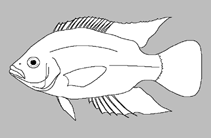
ການຖ່າຍທອດທາງກຳມະພັນຈາກພໍ່ແມ່ຫາລູກ: 3; ຄີກົ້ນຂອງປາ: 8 - 10; ສັດທີ່ມີກະດູກສັນຫຼັງ: 29 - 30. Diagnosis: Haplochromis taurinus differs from all Haplochromis species of Lake Edward system by its anteriorly curved outer teeth in the lower jaw (Ref. 127594). It is distinct from all other known paedophagous species within these lakes by its larger eyes, 32.9-40.2% of head length vs. 29.0-34.7%, and outer teeth with conical necks and bicuspid crowns with major cusps that bear a clear flange vs. cylindrical to constricted necks and uni-, bi-, or weakly tricuspid crowns that, in large specimens of more than 100 mm standard length, bear no flange (Ref. 127594). It is similar to H. molossus and H. gracilifur by its rounded jaws and small lachrymal bones; distinct from H. gracilifur by its deeper caudal peduncle, depth 73.9-88.1% of caudal peduncle length vs. 62.9-66.4%, and longer premaxillary pedicel, 23.5-26.2% of head length vs. 18.1-21.6%; distinct from H. molossus by its more slender jaws, 51.4-72.7% of lower jaw length vs. 67.0-87.0%, more gentle sloping snout, 35-40° vs. 45-55°, and steeper gape inclination, 40-45° vs. 20-30° (Ref. 127594). It is easily separated from H. relictidens and H. paradoxus by its smaller lachrymal bones, 11.5-16.4% of head length vs. 15.8-18.4% and 14.7-21.5%, respectively, and broadly rounded lower jaw vs. anteriorly slender lower jaw; in addition, it has more outer teeth in the upper jaw than H. relictidens and fewer than H. paradoxus, 23-39 vs. 16-26 and 36-65, respectively (Ref. 127594). Mature males of H. taurinus have metallic-blue bodies with dark red flanks vs. colour pattern different in all other paedophagous species (Ref. 127594).
Apparently confined to inshore areas of the lake where it has been taken off the papyrus fringe and also over sandy beaches in sheltered areas (Ref. 558, 4983). It has a paedophagous diet (Ref. 127594).
ວົງຈອນຊີວິດ ແລະພຶດຕິກໍາການຫາຄູ່
ການຈະເລີນເຕັມໄວ | ການສືບພັນ | ການວາງໄຂ່ | ໄຂ່ | ຄວາມດົກຂອງໄຂ່ປາ | ຕົວອ່ອນ
Mouthbrooding by females.
van Oijen, M.J.P., J. Snoeks, P.H. Skelton, C. Maréchal and G.G. Teugels, 1991. Haplochromis. p. 100-184. In J. Daget, J.-P. Gosse, G.G. Teugels and D.F.E. Thys van den Audenaerde (eds.) Check-list of the freshwater fishes of Africa (CLOFFA). ISNB, Brussels; MRAC, Tervuren; and ORSTOM, Paris. Vol. 4. (Ref. 4983)
ສະຖານະພາບບັນຊີແດງຂອງ IUCN (Ref. 130435: Version 2025-2 (Global))
ໄພຂົ່ມຂູ່ຕໍ່ມະນຸດ
Harmless
ການນໍາໃຊ້ຂອງມະນຸດ
ເຄື່ອງມື
ບົດລາຍງານພິເສດ
ດາວໂຫລດ XML
ແຫຼ່ງອີນເຕີເນັດ
ການຄາດຄະເນໂດຍອີງໃສ່ແບບຈໍາລອງ
ດັດຊະນີຄວາມຫຼາກຫຼາຍທາງຊີວະພາບ (ເອກະສານອ້າງອີງ
82804): PD
50 = 0.5000 [Uniqueness, from 0.5 = low to 2.0 = high].
Bayesian length-weight: a=0.00389 (0.00180 - 0.00842), b=3.12 (2.94 - 3.30), in cm total length, based on all LWR estimates for this body shape (Ref.
93245).
ຊັ້ນເຂດຮ້ອນ (ເອກະສານອ້າງອີງ
69278): 3.4 ±0.4 se; based on size and trophs of closest relatives
ຄວາມຢືດຢຸ່ນ (ເອກະສານອ້າງອີງ
120179): ສູງ, ປະຊາກອນຕຳ່ສຸດທີ່ໃຊ້ເວລາສອງໜ້ອຍກວ່າ 15 ເດືອນ (Preliminary K or Fecundity.).
ຄວາມສ່ຽງຕໍ່ການຫາປາ (Ref.
59153): Low vulnerability (10 of 100).
🛈