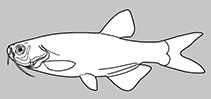
ການຈັດປະເພດ / ຊື່
ຊື່ສາມັນ | ຄຳສັບຄ້າຍຄືກັນ | Catalog of Fishes(ຕະກຸນ, ຊະນິດ) | ITIS | CoL | WoRMS | Cloffa
>
Cypriniformes (Carps) >
Danionidae (Danios) > Chedrinae
Etymology: Engraulicypris: Greek, eggraulis, -eos = anchovy + Greek, kypris = the name of Aphrodite, proceeding from Kypris, (Cyprus), Greek, kyprinos = carp (Ref. 45335); gariepinus: The species name gariepinus refers to the Gariep, a San name for the Orange River that means 'great water' (Ref. 116496).
ສະພາບແວດລ້ອມ: ສະພາບແວດລ້ອມ / ເຂດດິນຟ້າອາກາດ / ລະດັບຄວາມເລິກ / ຂອບເຂດການແຈກຢາຍ
ນິເວດວິທະຍາ
; ນ້ຳຈືດ ກ່ຽວກັບ (ຢູ່)ເທິງຊັ້ນພື້ນດິນໃນທະເລເປີດ. Tropical
Africa: Orange River, below the Augrabies Falls, and its tributary the Gt. Fish River, in South Africa and Namibia (Ref. 93592, 116496).
ຂະໜາດ / ນ້ຳໜັກ / ອາຍຸ
ການຈະເລີນເຕັມໄວ: Lm ? range ? - ? cm
Max length : 4.7 cm SL ຕົວຜູ້/ບໍ່ມີເພດ; (Ref. 116496)
ຄຳອະທິບາຍສັ້ນໆ
ຕົວທີ່ໃຊ້ໃນການຈຳແນກຊະນິດ | ສະລີລະວິທະຍາ | ການວັດແທກຮູບຮ່າງລັກສະນະພາຍນອກຂອງດິນ,ສັດ,ປາ…
ຄີ (ໜາມ)ແຂງຢູ່ຫຼັງປາ (ທັງໝົດ) : 0; ຄີຫຼັງຂອງປາ (ຄີອ່ອນ) (ທັງໝົດ) : 9 - 10; ຄີ(ໜາມ) ແຂງຢູ່ຄີກົ້ນປາ
ກຸ່ມປາກະດູກແຂງ
ຄວາມຖີ່ຂອງກຸ່ມຖ່າຍທອດພັນ
ປາທີ່ມີການເຄື່ອນຍ້າຍຈາກທະເລໄປຫານ້ຳຈືດ ແລະນ້ຳຈືດຫາທະເລ
ປາທີ່ມີການເຄື່ອນຍ້າຍຈາກທະເລແລະໄປໄຂ່ຢູ່ນ້ຳຈືດ
ຄີກົ້ນຂອງປາ
ສັດທີ່ມີກະດູກສັນຫັຼງ
ການຖ່າຍທອດທາງກຳມະພັນຈາກພໍ່ແມ່ຫາລູກ: 0; ຄີກົ້ນຂອງປາ: 17 - 19; ສັດທີ່ມີກະດູກສັນຫຼັງ: 36 - 38. Diagnosis: Caudal fin membrane clear to pale orange towards midline; anal fin extending over three quarters of length of caudal peduncle; caudal peduncle short; operculum entirely, not partially, shiny; body midline silver, not black; iris dark to light grey, not white; head with tubercles along lower jaw and lower head in breeding males; snout rounded, with dense dark spotting on tip; pelvic fin melanophores absent (Ref. 116496).
Body shape (shape guide): fusiform / normal.
This shoaling fish favours open, shallow water, normally occurring in slack pools and particularly below riffles; populations found in the lower Orange and Fish Rivers are limited by the Augrabies and Fish River Falls; they are restricted to turbid waters, which provide protection from visual predators (Ref. 116496). They are thought to feed mainly on small autochthonous invertebrates, e.g. planktonic crustaceans or insects, and are caught in large numbers where they occur (Ref. 116496).
ວົງຈອນຊີວິດ ແລະພຶດຕິກໍາການຫາຄູ່
ການຈະເລີນເຕັມໄວ | ການສືບພັນ | ການວາງໄຂ່ | ໄຂ່ | ຄວາມດົກຂອງໄຂ່ປາ | ຕົວອ່ອນ
Riddin, M.A., I.R. Bills and M.H. Villet, 2016. Phylogeographic, morphometric and taxonomic re-evaluation of the river sardine, Mesobola brevianalis (Boulenger, 1908) (Teleostei, Cyprinidae, Chedrini). ZooKeys 641:121-150. (Ref. 116496)
ສະຖານະພາບບັນຊີແດງຂອງ IUCN (Ref. 130435: Version 2025-2 (Global))
ໄພຂົ່ມຂູ່ຕໍ່ມະນຸດ
Harmless
ການນໍາໃຊ້ຂອງມະນຸດ
ເຄື່ອງມື
ບົດລາຍງານພິເສດ
ດາວໂຫລດ XML
ແຫຼ່ງອີນເຕີເນັດ
ການຄາດຄະເນໂດຍອີງໃສ່ແບບຈໍາລອງ
ດັດຊະນີຄວາມຫຼາກຫຼາຍທາງຊີວະພາບ (ເອກະສານອ້າງອີງ
82804): PD
50 = 0.5039 [Uniqueness, from 0.5 = low to 2.0 = high].
Bayesian length-weight: a=0.00589 (0.00280 - 0.01240), b=3.00 (2.82 - 3.18), in cm total length, based on LWR estimates for this (Sub)family-body shape (Ref.
93245).
ຊັ້ນເຂດຮ້ອນ (ເອກະສານອ້າງອີງ
69278): 3.0 ±0.3 se; based on size and trophs of closest relatives
ຄວາມຢືດຢຸ່ນ (ເອກະສານອ້າງອີງ
120179): ສູງ, ປະຊາກອນຕຳ່ສຸດທີ່ໃຊ້ເວລາສອງໜ້ອຍກວ່າ 15 ເດືອນ (Preliminary K or Fecundity.).
ຄວາມສ່ຽງຕໍ່ການຫາປາ (Ref.
59153): Low vulnerability (10 of 100).
🛈