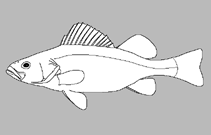
ການຈັດປະເພດ / ຊື່
ຊື່ສາມັນ | ຄຳສັບຄ້າຍຄືກັນ | Catalog of Fishes(ຕະກຸນ, ຊະນິດ) | ITIS | CoL | WoRMS | Cloffa
>
Perciformes/Percoidei (Perchs) >
Percidae (Perches) > Etheostomatinae
Etymology: starnesi: Named for ichthyologist Wayne C. Starnes, Curator of Fishes and Director of the Research Lab at the North Carolina Museum of Natural Sciences.
Eponymy: Dr Wayne C Starnes is a zoologist interested in evolutionary biology, systematics and genetics. [...] (Ref. 128868), visit book page.
ສະພາບແວດລ້ອມ: ສະພາບແວດລ້ອມ / ເຂດດິນຟ້າອາກາດ / ລະດັບຄວາມເລິກ / ຂອບເຂດການແຈກຢາຍ
ນິເວດວິທະຍາ
; ນ້ຳຈືດ ກ່ຽວກັບ (ຢູ່)ເທິງຊັ້ນພື້ນດິນໃນທະເລເປີດ. Subtropical
North America: USA.
ຄວາມຍາວໃນການເຕີບໂຕເຕັມຄັ້ງທໍາອິດ / ຂະໜາດ / ນ້ຳໜັກ / ອາຍຸ
ການຈະເລີນເຕັມໄວ: Lm 5.3, range 5 - 6 cm
Max length : 7.6 cm SL ຕົວຜູ້/ບໍ່ມີເພດ; (Ref. 93269)
ຄຳອະທິບາຍສັ້ນໆ
ຕົວທີ່ໃຊ້ໃນການຈຳແນກຊະນິດ | ສະລີລະວິທະຍາ | ການວັດແທກຮູບຮ່າງລັກສະນະພາຍນອກຂອງດິນ,ສັດ,ປາ…
ຄີ (ໜາມ)ແຂງຢູ່ຫຼັງປາ (ທັງໝົດ) : 12 - 14; ຄີຫຼັງຂອງປາ (ຄີອ່ອນ) (ທັງໝົດ) : 10 - 13; ຄີ(ໜາມ) ແຂງຢູ່ຄີກົ້ນປາ
ກຸ່ມປາກະດູກແຂງ
ຄວາມຖີ່ຂອງກຸ່ມຖ່າຍທອດພັນ
ປາທີ່ມີການເຄື່ອນຍ້າຍຈາກທະເລໄປຫານ້ຳຈືດ ແລະນ້ຳຈືດຫາທະເລ
ປາທີ່ມີການເຄື່ອນຍ້າຍຈາກທະເລແລະໄປໄຂ່ຢູ່ນ້ຳຈືດ
ຄີກົ້ນຂອງປາ
ສັດທີ່ມີກະດູກສັນຫັຼງ
ການຖ່າຍທອດທາງກຳມະພັນຈາກພໍ່ແມ່ຫາລູກ: 2; ຄີກົ້ນຂອງປາ: 7 - 9. This species belonging to the N. maculatus species group have scales associated with the postorbital spot on the cheek and show breeding behavior in which males guard clumps of eggs in crevices under rocks (vs. having a completely unscaled cheek and burying clumps of eggs in substrate with no subsequent care in all other species of Nothonotus<>). Within the species group, N. starnesi and N. sanguifluus differs from all other species on the basis of pigmentation patterns, males have red pigmentation covering a high proportion of all the median fins (vs. green median fins in N. wapiti and N. microlepidus; greenish blue anal and pelvic fins in N. vulneratus and N. maculatus); and, the presence of a suborbital bar (vs. absent in Nothonotus aquali). Male nuptial coloration of N. starnesi tends to have less-pronounced darkening of pigment at the base of the first three interradial membranes of the spinous dorsal fin and in the pelvic fins, has much more discrete and contrasting vermiculation on the head and cheek, and has more red in the pectoral fins when compared with N. sanguifluus. In addition, N. starnesi have lower mean numbers for pored lateral line scales, scales below the lateral line, and scales in the most ventral row of the opercle (Ref. 93269).
This species is found to be most abundant in the faster-flowing riffles of medium to large streams; substrate in these riffles is mostly large cobble and small boulders that is not embedded. Adults and juveniles are found in the same riffles, but smaller individuals tend to be more common near the banks of the streams. N. starnesi is expected to spawn in a manner similar to other members of the N. maculatus species group, with the males guarding a nest site under a larger cobble in fast current and eggs deposited in a clump in the crevice under the cobble. During the dryer, summer months, the surface flow of several eastern Caney Fork tributaries flowing over the more karst-like areas completely disappears, creating a series of isolated pools with little or no observable current. During these times, the species have only been observed in patches of silt-free substrate along the margins of the pool, presumably indicating areas of subsurface water upwelling. Gravid females are observed from May through July (Ref. 93269).
ວົງຈອນຊີວິດ ແລະພຶດຕິກໍາການຫາຄູ່
ການຈະເລີນເຕັມໄວ | ການສືບພັນ | ການວາງໄຂ່ | ໄຂ່ | ຄວາມດົກຂອງໄຂ່ປາ | ຕົວອ່ອນ
Keck, B.P. and T.J. Near, 2013. A new species of Nothonotus Darter (Teleostei: Percidae) from the Caney Fork in Tennessee, USA. Bulletin of the Peabody Museum of Natural History 54(1):3-21. (Ref. 93269)
ສະຖານະພາບບັນຊີແດງຂອງ IUCN (Ref. 130435: Version 2025-2 (Global))
ໄພຂົ່ມຂູ່ຕໍ່ມະນຸດ
Harmless
ການນໍາໃຊ້ຂອງມະນຸດ
ເຄື່ອງມື
ບົດລາຍງານພິເສດ
ດາວໂຫລດ XML
ແຫຼ່ງອີນເຕີເນັດ
ການຄາດຄະເນໂດຍອີງໃສ່ແບບຈໍາລອງ
ດັດຊະນີຄວາມຫຼາກຫຼາຍທາງຊີວະພາບ (ເອກະສານອ້າງອີງ
82804): PD
50 = 0.5625 [Uniqueness, from 0.5 = low to 2.0 = high].
Bayesian length-weight: a=0.00575 (0.00268 - 0.01234), b=3.13 (2.95 - 3.31), in cm total length, based on LWR estimates for this (Sub)family-body shape (Ref.
93245).
ຊັ້ນເຂດຮ້ອນ (ເອກະສານອ້າງອີງ
69278): 3.3 ±0.5 se; based on size and trophs of closest relatives
ຄວາມຢືດຢຸ່ນ (ເອກະສານອ້າງອີງ
120179): ສູງ, ປະຊາກອນຕຳ່ສຸດທີ່ໃຊ້ເວລາສອງໜ້ອຍກວ່າ 15 ເດືອນ (Preliminary K or Fecundity.).
ຄວາມສ່ຽງຕໍ່ການຫາປາ (Ref.
59153): Low vulnerability (10 of 100).
🛈