>
Siluriformes (Catfishes) >
Loricariidae (Armored catfishes) > Loricariinae
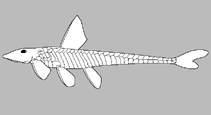
Etymology: avacanoeiro: The species name, avacanoeiro, is in reference to the Avá-canoeiros, inhabitants from the upper rio Tocantins basin. Avá-canoeiros, an American group that historically inhabited the area of the upper rio Tocantins, drainage from
which the examined.
Eponymy: Francesca Raimonde La Monte (1895–1982) was an ichthyologist who worked at the AMNH (1920–1968). [...] The Avá-canoeiros are an indigenous Brazilian people. Historically they lived in the upper Rio Tocantins basin, Goiás, where this catfish is found. (Ref. 128868), visit book page.
ပတ်ဝန်းကျင် : ပတ်ဝန်းကျင် / ရာသီဥတုဇုန် / အနက္အတိုင္းအတာ / ဖြန့်ဖြူးမှုအပိုင်း
ေဂဟေဗဒကိုေလ့လာေသာ ဘာသာရပ္
; ေရခ်ိဳ ေရအနက္ဆံုးအပိုင္း. Tropical; 48°S - 49°S, 13°W - 14°W
South America: Brazil. Upper rio Tocantins basin (Ref. 83332).
အရြယ္အစား / အေလးခ်ိန္ / အသက္အရြယ္
မိ်ဳးပြားရန္အရြယ္ေရာက္ျပီ: Lm ? range ? - ? cm
Max length : 16.0 cm SL အထီး/လိြင္ခြဲျခားျခင္းမျပဳနုိင္ေသာ; (Ref. 83332)
Lamontichthys avacanoeiro differs from all congeners in the shorter first branched dorsal-fin ray (22.6-26.0%, vs. 26.4-40.5% SL) in specimens larger than 70 mm SL.
Lamontichthys avacanoeiro can be further distinguished from L. filamentosus, L. llanero, and L. maracaibero by the anterior tip of the snout with an oval shaped area without plates (vs. tip of snout totally covered with plates or, with only a very small area lacking plates), and by the teeth with long cusps (vs. short). Lamontichthys avacanoeiro can be further distinguished from L. filamentosus and L. llanero by the lower lip semi-oval shaped (vs. semicircular). Lamontichthys avacanoeiro also differs from L. maracaibero in having more than one plate between the base of the last pelvic-fin ray and the anterior margin of the anus (vs. one plate) and in the greater abdominal length in specimens larger than 150 mm SL (17.6-17.7% [n = 2], vs. 14.1-16.3% SL [n = 5]). Lamontichthys avacanoeiro can be distinguished from L. parakana by the more posterior location of the anal-fin origin (at the vertical through the distal tip of the last dorsal-fin ray, vs. anterior to that point), by the shorter unbranched anal-fin ray (16.9-20.3%, vs. 21.4-24.8% SL), and by the smaller orbital diameter (13.6-16.2%, vs. 16.6-17.3% HL) in specimens larger than 70 mm SL. Lamontichthys avacanoeiro also differs from specimens of L. parakana larger than 100 mm SL in the narrower head (91.3-100.9%, vs. 101.3-106.1% HL) (Ref. 83332).
Body shape (shape guide): elongated.
ဘဝသံသရာနှင့် မိတ်လိုက်သည့် အပြုအမူ
မိ်ဳးပြားရန္အရြယ္ေရာက္ျပီ | မ်ိဳးပြားသားေပါက္ျခင္း | သားေပါက္ျခင္း | ဥမ်ား | ဥခ်နွဳန္း | သားေလာင္း
de Carvalho Paixão, A. and M. Toledo-Piza, 2009. Systematics of Lamontichthys Miranda-Ribeiro (Siluriformes: Loricariidae), with the description of two new species. Neotrop. Ichthyol. 7(4):519-568. (Ref. 83332)
စိုးရိမ္ဖြယ္အေျခအေနသို႔ေရာက္ရွိေန ေသာမ်ိဳးသုဥ္းရွားပါးေတာ့မည့္မ်ိဳးစိတ္မ်ား၏အဆင့္အတန္း (Ref. 130435: Version 2025-2 (Global))
လူသားမ်ားကို ထိတ္လန္႔ေျခာက္ျခားေစသည္။
Harmless
လူသားမ်ား၏အသံုးခ်မႈ
ပိုမိုေသာသတင္းအခ်က္အလက္မ်ားကိုရယူနုိင္ရန္္
အသံုးျပဳေသာကိရိယာ
ထူးျခားစြာေရးသားထားေသာ တင္ျပစာ
XML ကူးယူရရွိနိုင္ပါသည္
အင္တာနက္အရင္းအျမစ္
မော်ဒယ်များကို အခြေခံ၍ ခန့်မှန်းချက်
Phylogenetic diversity အညွှန်းကိန်း (က်မ္းကိုးစာရင္း
82804): PD
50 = 0.5156 [Uniqueness, from 0.5 = low to 2.0 = high].
Bayesian length-weight: a=0.00398 (0.00185 - 0.00857), b=3.11 (2.93 - 3.29), in cm total length, based on LWR estimates for this (Sub)family-body shape (Ref.
93245).
အစာရရွိမႈကြင္းဆက္နွင့္ အစာစားေသာအေလ့အက်င့္ (က်မ္းကိုးစာရင္း
69278): 2.5 ±0.2 se; based on size and trophs of closest relatives
ထိခိုက္ဒဏ္ရာရရွျပီးမွျပန္လည္ေကာင္းမြန္လာေသာ/မ်ိဳးသုဥ္းေပ်ာက္ကြယ္လုနီးပါးျဖစ္ေနျပီမွ ျပန္လည္ေတြ႕ရွိရေသာ (က်မ္းကိုးစာရင္း
120179): အလယ္အလတ္, (၁နွစ္နွင့္၄လ မွ ၄နွစ္၄လ အခ်ိန္နွစ္ဆအတြင္း အနည္းဆံုးဦးေရ (Preliminary K or Fecundity.).
ငါးဖမ်းခြင်း အားနည်းချက် (Ref.
59153): Low vulnerability (10 of 100).
🛈