>
Gobiiformes (Gobies) >
Gobiidae (Gobies) > Gobiinae
Etymology: Trimma: Greek, trimma, -atos = something crushed (Ref. 45335); flavatrum: Name from Latin 'flavus' meaning yellow and 'atrum' for black, referring to the unusual yellow and black coloration of the new species.
More on authors: Hagiwara & Winterbottom.
ສະພາບແວດລ້ອມ: ສະພາບແວດລ້ອມ / ເຂດດິນຟ້າອາກາດ / ລະດັບຄວາມເລິກ / ຂອບເຂດການແຈກຢາຍ
ນິເວດວິທະຍາ
ສັດທະເລ ກ່ຽວກັບ (ຢູ່)ເທິງຊັ້ນພື້ນດິນໃນທະເລເປີດ; ລະດັບຄວາມເລິກ 10 - 30 m (Ref. 90102). Subtropical
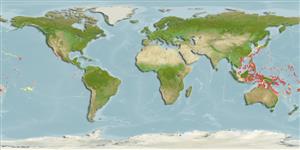
Western Pacific. Japan to Australia.
ຂະໜາດ / ນ້ຳໜັກ / ອາຍຸ
ການຈະເລີນເຕັມໄວ: Lm ? range ? - ? cm
Max length : 2.3 cm SL ຕົວຜູ້/ບໍ່ມີເພດ; (Ref. 58123)
ຄຳອະທິບາຍສັ້ນໆ
ຕົວທີ່ໃຊ້ໃນການຈຳແນກຊະນິດ | ສະລີລະວິທະຍາ | ການວັດແທກຮູບຮ່າງລັກສະນະພາຍນອກຂອງດິນ,ສັດ,ປາ…
ຄີ (ໜາມ)ແຂງຢູ່ຫຼັງປາ (ທັງໝົດ) : 7; ຄີຫຼັງຂອງປາ (ຄີອ່ອນ) (ທັງໝົດ) : 7 - 8; ຄີ(ໜາມ) ແຂງຢູ່ຄີກົ້ນປາ
ກຸ່ມປາກະດູກແຂງ
ຄວາມຖີ່ຂອງກຸ່ມຖ່າຍທອດພັນ
ປາທີ່ມີການເຄື່ອນຍ້າຍຈາກທະເລໄປຫານ້ຳຈືດ ແລະນ້ຳຈືດຫາທະເລ
ປາທີ່ມີການເຄື່ອນຍ້າຍຈາກທະເລແລະໄປໄຂ່ຢູ່ນ້ຳຈືດ
ຄີກົ້ນຂອງປາ
ສັດທີ່ມີກະດູກສັນຫັຼງ
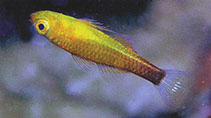
ການຖ່າຍທອດທາງກຳມະພັນຈາກພໍ່ແມ່ຫາລູກ: 1; ຄີກົ້ນຂອງປາ: 7 - 8. This species is characterized by the following: presence of scales in the predorsal midline and on the cheek and opercle; no elongate dorsal spines; a broad and somewhat concave interorbital region with a bony interorbital equal to about half or more of the width of the pupil with no raised, longitudinal, fleshy ridge in the midline; no postorbital trench; fifth pelvic fin ray usually unbranched (may be branched once sequentially); preserved specimens with a dusky body with densely scattered melanophores and chromatophores, the shade intensifying posteriorly to almost black in the peduncular region; body of alive or freshly collected specimens have yellow to dirty yellow-orange with scattered melanophores intensifying to a blackish or dark brown caudal peduncle, with median fins reddish-orange to yellow with a dark basal stripe, except for the caudal fin, which varies from almost translucent to yellow with whitish margins (Ref. 58123); characterized further by having longitudinal scale series 22-26; predorsal scales 7-8; depth of body about 4.4-4.6 in SL (Ref. 90102).
Body shape (shape guide): fusiform / normal; Cross section: compressed.
This species forms small schools which are sometimes mixed with T. tevegae. The fishes hover in caves, recesses or under the overhangs of coral reefs. When hovering, the ventral side faces the nearest substrate surface (e.g. the wall or roof of a cave) the same as with T. tevegae. However, T. flavatrum tends to be found more towards the back of the caves and recesses (Ref. 58123).
ວົງຈອນຊີວິດ ແລະພຶດຕິກໍາການຫາຄູ່
ການຈະເລີນເຕັມໄວ | ການສືບພັນ | ການວາງໄຂ່ | ໄຂ່ | ຄວາມດົກຂອງໄຂ່ປາ | ຕົວອ່ອນ
Hagiwara, K. and R. Winterbottom, 2007. Two new species of Trimma (Gobiidae) from the Western Pacific. Bull. Natl. Mus. Nat. Sci., Ser. A, Suppl. 1:163-174. (Ref. 58123)
ສະຖານະພາບບັນຊີແດງຂອງ IUCN (Ref. 130435: Version 2025-2 (Global))
ໄພຂົ່ມຂູ່ຕໍ່ມະນຸດ
Harmless
ການນໍາໃຊ້ຂອງມະນຸດ
ການປະມົງ: ທີ່ບໍ່ມີຄວາມສົນໃຈ
ເຄື່ອງມື
ບົດລາຍງານພິເສດ
ດາວໂຫລດ XML
ແຫຼ່ງອີນເຕີເນັດ
ການຄາດຄະເນໂດຍອີງໃສ່ແບບຈໍາລອງ
ອຸນຫະພູມທີ່ຕ້ອງການ (ເອກະສານອ້າງອີງ
123201): 24.9 - 28.8, mean 27.7 °C (based on 160 cells).
ດັດຊະນີຄວາມຫຼາກຫຼາຍທາງຊີວະພາບ (ເອກະສານອ້າງອີງ
82804): PD
50 = 0.5000 [Uniqueness, from 0.5 = low to 2.0 = high].
Bayesian length-weight: a=0.01023 (0.00477 - 0.02194), b=3.01 (2.83 - 3.19), in cm total length, based on LWR estimates for this (Sub)family-body shape (Ref.
93245).
ຄວາມຢືດຢຸ່ນ (ເອກະສານອ້າງອີງ
120179): ສູງ, ປະຊາກອນຕຳ່ສຸດທີ່ໃຊ້ເວລາສອງໜ້ອຍກວ່າ 15 ເດືອນ (Preliminary K or Fecundity.).
ຄວາມສ່ຽງຕໍ່ການຫາປາ (Ref.
59153): Low vulnerability (10 of 100).
🛈