>
Blenniiformes (Blennies) >
Blenniidae (Combtooth blennies) > Blenniinae
Etymology: Aspidontus: Greek, aspis, -idos = shield + Latin, dens, dentis = teeth (Ref. 45335).
More on authors: Quoy & Gaimard.
ສະພາບແວດລ້ອມ: ສະພາບແວດລ້ອມ / ເຂດດິນຟ້າອາກາດ / ລະດັບຄວາມເລິກ / ຂອບເຂດການແຈກຢາຍ
ນິເວດວິທະຍາ
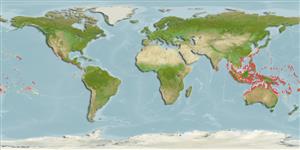
ສັດທະເລ ກ່ຽວກັນຫີນ; ລະດັບຄວາມເລິກ 1 - 25 m (Ref. 90102). Tropical; 32°N - 32°S
Indo-Pacific.
ຂະໜາດ / ນ້ຳໜັກ / ອາຍຸ
ການຈະເລີນເຕັມໄວ: Lm ? range ? - ? cm
Max length : 11.5 cm TL ຕົວຜູ້/ບໍ່ມີເພດ; (Ref. 9710)
ຄີ (ໜາມ)ແຂງຢູ່ຫຼັງປາ (ທັງໝົດ) : 10 - 12; ຄີຫຼັງຂອງປາ (ຄີອ່ອນ) (ທັງໝົດ) : 26 - 28; ຄີ(ໜາມ) ແຂງຢູ່ຄີກົ້ນປາ
ກຸ່ມປາກະດູກແຂງ
ຄວາມຖີ່ຂອງກຸ່ມຖ່າຍທອດພັນ
ປາທີ່ມີການເຄື່ອນຍ້າຍຈາກທະເລໄປຫານ້ຳຈືດ ແລະນ້ຳຈືດຫາທະເລ
ປາທີ່ມີການເຄື່ອນຍ້າຍຈາກທະເລແລະໄປໄຂ່ຢູ່ນ້ຳຈືດ
ຄີກົ້ນຂອງປາ
ສັດທີ່ມີກະດູກສັນຫັຼງ
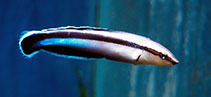
ການຖ່າຍທອດທາງກຳມະພັນຈາກພໍ່ແມ່ຫາລູກ: 2; ຄີກົ້ນຂອງປາ: 25 - 28. Bears an amazing resemblance to the cleaner wrasse, Labroides dimidiatus. Distinguished from L. dimidiatus by the position of its mouth, which is terminal in the wrasse but under the snout in the blenny.
Body shape (shape guide): elongated.
Adults are found solitary or in small groups (Ref. 90102) in lagoons, subtidal reef flats and outer reef slopes (where it occurs to depths of over 20 m). Often in pairs in empty worm tubes or narrow holes. They mimic the cleaner wrasse Labroides dimidiatus and nip fins, skin and scales of other fishes (Ref. 9710). They even copy the motion of the cleaner wrasse that may induce other fish to come close, then target their scales or mucus for a feed, biting and quickly retreating to the corals before the victim realizes that it was tricked; experienced fish recognize imposters and often give it a chase (Ref. 48636). Diet is supplemented with benthic invertebrates and zooplankton (Ref. 94105). Also feed on tubeworms and demersal fish eggs. Oviparous. Eggs are demersal and adhesive (Ref. 205), and are attached to the substrate via a filamentous, adhesive pad or pedestal (Ref. 94114). Larvae are planktonic, often found in shallow, coastal waters (Ref. 94114).
ວົງຈອນຊີວິດ ແລະພຶດຕິກໍາການຫາຄູ່
ການຈະເລີນເຕັມໄວ | ການສືບພັນ | ການວາງໄຂ່ | ໄຂ່ | ຄວາມດົກຂອງໄຂ່ປາ | ຕົວອ່ອນ
Distinct pairing (Ref. 205).
Smith-Vaniz, W.F., B.C. Victor and G.R. Allen, 2020. Aggressive mimicry in Aspidontus and Plagiotremus (Pisces: Blenniidae): some mimetic phenotypes are not phylogenetically informative. J. Ocean Sci. Found. 35:118-128. (Ref. 123078)
ສະຖານະພາບບັນຊີແດງຂອງ IUCN (Ref. 130435: Version 2025-2 (Global))
ໄພຂົ່ມຂູ່ຕໍ່ມະນຸດ
Harmless
ການນໍາໃຊ້ຂອງມະນຸດ
ການປະມົງ: ເປັນສີນຄ້າ; ຕູ້ປາ: ເປັນສີນຄ້າ
ເຄື່ອງມື
ບົດລາຍງານພິເສດ
ດາວໂຫລດ XML
ແຫຼ່ງອີນເຕີເນັດ
ການຄາດຄະເນໂດຍອີງໃສ່ແບບຈໍາລອງ
ອຸນຫະພູມທີ່ຕ້ອງການ (ເອກະສານອ້າງອີງ
123201): 25.1 - 29.3, mean 28.5 °C (based on 2575 cells).
ດັດຊະນີຄວາມຫຼາກຫຼາຍທາງຊີວະພາບ (ເອກະສານອ້າງອີງ
82804): PD
50 = 0.7500 [Uniqueness, from 0.5 = low to 2.0 = high].
Bayesian length-weight: a=0.00575 (0.00255 - 0.01297), b=3.06 (2.87 - 3.25), in cm total length, based on LWR estimates for this (Sub)family-body shape (Ref.
93245).
ຊັ້ນເຂດຮ້ອນ (ເອກະສານອ້າງອີງ
69278): 3.8 ±0.51 se; based on food items.
ຄວາມຢືດຢຸ່ນ (ເອກະສານອ້າງອີງ
120179): ສູງ, ປະຊາກອນຕຳ່ສຸດທີ່ໃຊ້ເວລາສອງໜ້ອຍກວ່າ 15 ເດືອນ (Preliminary K or Fecundity.).
ຄວາມສ່ຽງຕໍ່ການຫາປາ (Ref.
59153): Low vulnerability (10 of 100).
🛈
ທາດອາຫານ (Ref.
124155): Calcium = 122 [63, 203] mg/100g; Iron = 0.806 [0.483, 1.330] mg/100g; Protein = 18.4 [17.3, 19.4] %; Omega3 = 0.103 [0.058, 0.181] g/100g; Selenium = 22.6 [11.3, 49.0] μg/100g; VitaminA = 225 [82, 635] μg/100g; Zinc = 1.57 [1.05, 2.26] mg/100g (wet weight);