ກຸ່ມປາກະດູກອ່ອນ (ເຊັ່ນ: ປາສະຫລາມ, ປາຜາໄລ) (sharks and rays) >
Myliobatiformes (Stingrays) >
Dasyatidae (Stingrays) > Urogymninae
Etymology: Himantura: Greek, iman, imantos = thong, strap + Greek, oura = tail (Ref. 45335).
More on author: Gmelin.
ສະພາບແວດລ້ອມ: ສະພາບແວດລ້ອມ / ເຂດດິນຟ້າອາກາດ / ລະດັບຄວາມເລິກ / ຂອບເຂດການແຈກຢາຍ
ນິເວດວິທະຍາ
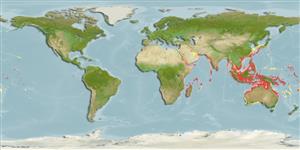
ສັດທະເລ; ນ້ຳກ່ອຍ ອາໄສຢູ່ໃກ້ໜ້າດິນໃຕ້ພື້ນທ້ອງນ້ຳ; ປາທີ່ມີການເຄື່ອນຍ້າຍຈາກທະເລໄປຫານ້ຳຈືດ ແລະນ້ຳຈືດຫາທະເລ (Ref. 51243); ລະດັບຄວາມເລິກ 20 - 50 m (Ref. 28016). Subtropical; 23°C - 26°C (Ref. 12468); 38°N - 37°S, 34°E - 149°W
Indo-Pacific: Persian Gulf (Ref.80050); Red Sea (and eastern Mediterranean via Suez Canal) to southern Africa and French Polynesia, north to Taiwan, south to Australia. Also in the Arafura Sea (Ref. 9819). Collected from the estuary of the River Ganges (Ref. 33178). This name has been used for a number of similar spotted species (Ref. 6871). Probably a species complex (Ref. 35766). Its identity has been confused in many publications and Micronesian specimens should be re-examined (Ref. 37816).
ຄວາມຍາວໃນການເຕີບໂຕເຕັມຄັ້ງທໍາອິດ / ຂະໜາດ / ນ້ຳໜັກ / ອາຍຸ
ການຈະເລີນເຕັມໄວ: Lm 83.0, range 82 - 84 cm
Max length : 200 cm WD ຕົວຜູ້/ບໍ່ມີເພດ; (Ref. 3263); common length : 45.0 cm TL ຕົວຜູ້/ບໍ່ມີເພດ; (Ref. 5450); ນ້ຳໜັກສູງສຸດທີ່ເຄຍຈັດພີມມາ: 150.0 kg (Ref. 124786)
ຄີ (ໜາມ)ແຂງຢູ່ຫຼັງປາ (ທັງໝົດ) : 0; ຄີ(ໜາມ) ແຂງຢູ່ຄີກົ້ນປາ
ກຸ່ມປາກະດູກແຂງ
ຄວາມຖີ່ຂອງກຸ່ມຖ່າຍທອດພັນ
ປາທີ່ມີການເຄື່ອນຍ້າຍຈາກທະເລໄປຫານ້ຳຈືດ ແລະນ້ຳຈືດຫາທະເລ
ປາທີ່ມີການເຄື່ອນຍ້າຍຈາກທະເລແລະໄປໄຂ່ຢູ່ນ້ຳຈືດ
ຄີກົ້ນຂອງປາ
ສັດທີ່ມີກະດູກສັນຫັຼງ
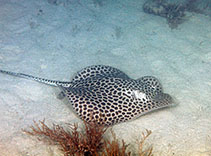
ການຖ່າຍທອດທາງກຳມະພັນຈາກພໍ່ແມ່ຫາລູກ: 0. Huge stingray with conspicuous dark spots on a light brown disc; spots well-spaced in young but crowded to form reticulated pattern in adult; white ventrally; tail marked with bands of black and white; snout sharply pointed; disc with narrowly rounded outer corners, and tail long, slender and nearly three times body length when intact, with no caudal finfolds; disc without thorns but with band of flat denticles along midback (in adults); usually 1 medium-sized sting on tail (Ref. 5578).
Body shape (shape guide): other.
Common off sandy beaches and in shallow estuaries and lagoons; also found in sandy areas of coral reefs (Ref. 9710). Also offshore down to 50 m depth (Ref. 5578). May enter fresh water (Ref. 5578). Feeds on small fishes, bivalves, crabs, shrimps, worms (Ref. 3263) and jellyfishes (Ref. 37816). Ovoviviparous (Ref. 50449). Common catch of the demersal tangle net, bottom trawl, longline and beach seine fisheries (Ref.58048). Popular angling fish (Ref. 3263). Not esteemed as a food fish (Ref. 3263). Used in Chinese medicine (Ref. 12166). Tail is used as It is parasitised by the monogeneans Dendromonocotyle colorni and Dendromonocotyle ukuthena on the dorsal skin surface (Ref. 124058).
Exhibit ovoviparity (aplacental viviparity), with embryos feeding initially on yolk, then receiving additional nourishment from the mother by indirect absorption of uterine fluid enriched with mucus, fat or protein through specialised structures (Ref. 50449). Distinct pairing with embrace (Ref. 205). Distinct pairing with embrace (Ref. 205). Bears 3 to 5 young in the summer (Ref. 5578). Size at birth about 21 (Ref.58048) - 28 cm WD (Ref. 6871).
Fricke, R., 1999. Fishes of the Mascarene Islands (Réunion, Mauritius, Rodriguez): an annotated checklist, with descriptions of new species. Koeltz Scientific Books, Koenigstein, Theses Zoologicae, Vol. 31:759 p. (Ref. 33390)
ສະຖານະພາບບັນຊີແດງຂອງ IUCN (Ref. 130435: Version 2025-2 (Global))
ການນໍາໃຊ້ຂອງມະນຸດ
ການປະມົງ: ທີ່ເປັນການຄ້າໜ້ອຍ; ຊະນິດປາທີ່ຖືກນຳໃຊ້ເຂົ້າໃນການຫາເພື່ອເປັນເກມກິລາ: ແມ່ນ; ຕູ້ປາ: ເປັນສີນຄ້າ
ເຄື່ອງມື
ບົດລາຍງານພິເສດ
ດາວໂຫລດ XML
ແຫຼ່ງອີນເຕີເນັດ
ການຄາດຄະເນໂດຍອີງໃສ່ແບບຈໍາລອງ
ອຸນຫະພູມທີ່ຕ້ອງການ (ເອກະສານອ້າງອີງ
123201): 24.2 - 28.6, mean 27.8 °C (based on 334 cells).
ດັດຊະນີຄວາມຫຼາກຫຼາຍທາງຊີວະພາບ (ເອກະສານອ້າງອີງ
82804): PD
50 = 0.5002 [Uniqueness, from 0.5 = low to 2.0 = high].
Bayesian length-weight: a=0.02138 (0.01168 - 0.03914), b=3.14 (2.96 - 3.32), in cm total length, based on LWR estimates for this species & (Sub)family-body (Ref.
93245).
ຊັ້ນເຂດຮ້ອນ (ເອກະສານອ້າງອີງ
69278): 3.6 ±0.6 se; based on diet studies.
ຄວາມຢືດຢຸ່ນ (ເອກະສານອ້າງອີງ
120179): ຕຳ່ຫຼາຍ, ປະຊາກອນຕຳ່ສຸດທີ່ໃຊ້ເວລາສອງເທົ່າຫຼາຍກວ່າ 14 ປີ (Fec=3-5).
ຄວາມສ່ຽງຕໍ່ການຫາປາ (Ref.
59153): Very high vulnerability (90 of 100).
🛈
ທາດອາຫານ (Ref.
124155): Calcium = 3.06 [0.35, 48.42] mg/100g; Iron = 0.343 [0.028, 3.859] mg/100g; Protein = 22.3 [19.6, 25.0] %; Omega3 = 0.113 [0.036, 0.335] g/100g; Selenium = 15.7 [2.7, 86.6] μg/100g; VitaminA = 10.9 [0.9, 124.7] μg/100g; Zinc = 0.504 [0.035, 5.570] mg/100g (wet weight);