>
Gonorynchiformes (Milkfishes) >
Phractolaemidae (Hingemouths)
Etymology: Phractolaemus: Greek, phraktos = fence + Greek, laimos = throttle (Ref. 45335).
Eponymy: Dr William John Ansorge (1850–1913) was an English explorer and collector who was active in Africa in the second half of the 19th century. [...] (Ref. 128868), visit book page.
More on author: Boulenger.
ສະພາບແວດລ້ອມ: ສະພາບແວດລ້ອມ / ເຂດດິນຟ້າອາກາດ / ລະດັບຄວາມເລິກ / ຂອບເຂດການແຈກຢາຍ
ນິເວດວິທະຍາ
; ນ້ຳຈືດ ກ່ຽວກັບ (ຢູ່)ເທິງຊັ້ນພື້ນດິນໃນທະເລເປີດ; pH range: 6.0 - 8.0; dH range: ? - 25. Tropical; 25°C - 30°C (Ref. 13371)
Africa: in West Africa from Lake Nokoué (Ouémé River, Benin) (Ref. 81277) to Cross River (Cameroon) (Ref. 52397), including Ogun, Osse and Niger Delta (Ref. 81277). Also in the middle Congo River basin (Ref. 93183) in Republic of Congo and Democratic Republic of the Congo.
ຂະໜາດ / ນ້ຳໜັກ / ອາຍຸ
ການຈະເລີນເຕັມໄວ: Lm ? range ? - ? cm
Max length : 25.0 cm TL ຕົວຜູ້/ບໍ່ມີເພດ; (Ref. 93183)
ຄຳອະທິບາຍສັ້ນໆ
ຕົວທີ່ໃຊ້ໃນການຈຳແນກຊະນິດ | ສະລີລະວິທະຍາ | ການວັດແທກຮູບຮ່າງລັກສະນະພາຍນອກຂອງດິນ,ສັດ,ປາ…
ຄີ (ໜາມ)ແຂງຢູ່ຫຼັງປາ (ທັງໝົດ) : 0; ຄີຫຼັງຂອງປາ (ຄີອ່ອນ) (ທັງໝົດ) : 6; ຄີ(ໜາມ) ແຂງຢູ່ຄີກົ້ນປາ
ກຸ່ມປາກະດູກແຂງ
ຄວາມຖີ່ຂອງກຸ່ມຖ່າຍທອດພັນ
ປາທີ່ມີການເຄື່ອນຍ້າຍຈາກທະເລໄປຫານ້ຳຈືດ ແລະນ້ຳຈືດຫາທະເລ
ປາທີ່ມີການເຄື່ອນຍ້າຍຈາກທະເລແລະໄປໄຂ່ຢູ່ນ້ຳຈືດ
ຄີກົ້ນຂອງປາ
ສັດທີ່ມີກະດູກສັນຫັຼງ
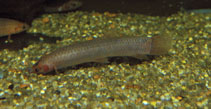
ການຖ່າຍທອດທາງກຳມະພັນຈາກພໍ່ແມ່ຫາລູກ: 0; ຄີກົ້ນຂອງປາ: 6; ສັດທີ່ມີກະດູກສັນຫຼັງ: 34 - 38. Diagnosis: head depressed and strongly ossified; anterior nostril elongate, forming an oblique, forward-pointing tube; posterior nostril crescent-shaped, located just behind the narial tube (Ref. 2913, 81277). Mouth small, protrusible (Ref. 245, 31256, 81277), placed at tip of a proboscis and opening upwards between the narial tubes (Ref. 2913, 81277), on upper surface of snout (Ref. 245, 31256). Narrow gill opening, but opercles very well developed, covering also the underside of the head where they overlap (Ref. 2913, 81277, 93183).
Body shape (shape guide): elongated; Cross section: circular.
Facultative or obligate air-breathing (Ref. 126274); Lives in forest pools and swamps (Ref. 41580). Microphagous (Ref. 4910, 41580, 45483), especially phytophagous (epiphytes), and detritiphagous (Ref. 41580). Swim bladder entirely alveolar, functioning like a lung; this adaptation to aerial breathing allows the fish to survive under poor oxygenation conditions (Ref. 2913, 81277); recorded from nearly deoxygenated lungfish nest in Pool Malebo, Congo DR (Ref. 41585). Gonads, which are largely fused, are situated ventrally, not dorsally, in abdominal cavity (Ref. 41580). Mouth can be projected as a small trunk (Ref. 2913). Eggs transparent, yellow-greenish, 1.5-1.7mm diameter; large females may have several thousands of eggs (Ref. 41580). Particular blood system, with dark coloured and an abundant amouth of blood (Ref. 4910).
ວົງຈອນຊີວິດ ແລະພຶດຕິກໍາການຫາຄູ່
ການຈະເລີນເຕັມໄວ | ການສືບພັນ | ການວາງໄຂ່ | ໄຂ່ | ຄວາມດົກຂອງໄຂ່ປາ | ຕົວອ່ອນ
Males and females have lateral tubercles on their body which probably aid in maintaining contact during spawning (Ref. 38266).
Lévêque, C., 1990. Phractolaemidae. p. 189-191. In C. Lévêque, D. Paugy and G.G. Teugels (eds.) Faune des poissons d'eaux douces et saumâtres d'Afrique de l'Ouest. Tome I. Coll. Faune Tropicale n° XXVIII. Musée Royal de l'Afrique Centrale, Tervuren, and O.R.S.T.O.M.,Paris, 384 p. (Ref. 2913)
ສະຖານະພາບບັນຊີແດງຂອງ IUCN (Ref. 130435: Version 2025-2 (Global))
ໄພຂົ່ມຂູ່ຕໍ່ມະນຸດ
Harmless
ການນໍາໃຊ້ຂອງມະນຸດ
ເຄື່ອງມື
ບົດລາຍງານພິເສດ
ດາວໂຫລດ XML
ແຫຼ່ງອີນເຕີເນັດ
ການຄາດຄະເນໂດຍອີງໃສ່ແບບຈໍາລອງ
ດັດຊະນີຄວາມຫຼາກຫຼາຍທາງຊີວະພາບ (ເອກະສານອ້າງອີງ
82804): PD
50 = 1.5000 [Uniqueness, from 0.5 = low to 2.0 = high].
Bayesian length-weight: a=0.00437 (0.00168 - 0.01136), b=3.13 (2.90 - 3.36), in cm total length, based on LWR estimates for this (Sub)family-body shape (Ref.
93245).
ຊັ້ນເຂດຮ້ອນ (ເອກະສານອ້າງອີງ
69278): 2.3 ±0.1 se; based on diet studies.
ຄວາມສ່ຽງຕໍ່ການຫາປາ (Ref.
59153): Low vulnerability (15 of 100).
🛈