>
Polypteriformes (Bichirs) >
Polypteridae (Bichirs)
Etymology: Polypterus: Greek, poly = a lot of + Greek, pteron = wing, fin (Ref. 45335); bichir: Named after the local name for the fish (Ref. 43537).
More on author: Lacepède.
ສະພາບແວດລ້ອມ: ສະພາບແວດລ້ອມ / ເຂດດິນຟ້າອາກາດ / ລະດັບຄວາມເລິກ / ຂອບເຂດການແຈກຢາຍ
ນິເວດວິທະຍາ
; ນ້ຳຈືດ ອາໄສຢູ່ໃກ້ໜ້າດິນໃຕ້ພື້ນທ້ອງນ້ຳ; ກຸ່ມຫຼືຊະນິດປາທີ່ມີການເຄື່ອນຍ້າຍພາຍໃນນ້ຳຈືດ (Ref. 51243). Tropical
Africa: The subspecies Polypterus bichir bichir is known from the Chad basin, Nile River basin and Lake Turkana (Ref. 2835, 81263). Reports from Lake Turkana and the Ouémé are questionable as unsupported by photographs or museum specimens (Ref. 122071). The subspecies Polypterus bichir lapradei is known from the rivers Senegal, Gambia, Geba, Volta and Niger (Ref. 2835, 81263).
ຂະໜາດ / ນ້ຳໜັກ / ອາຍຸ
ການຈະເລີນເຕັມໄວ: Lm ? range ? - ? cm
Max length : 74.0 cm TL ຕົວຜູ້/ບໍ່ມີເພດ; (Ref. 81263); ນ້ຳໜັກສູງສຸດທີ່ເຄຍຈັດພີມມາ: 2.7 kg (Ref. 367)
ຄີ (ໜາມ)ແຂງຢູ່ຫຼັງປາ (ທັງໝົດ) : 13 - 18; ຄີຫຼັງຂອງປາ (ຄີອ່ອນ) (ທັງໝົດ) : 0; ຄີ(ໜາມ) ແຂງຢູ່ຄີກົ້ນປາ
ກຸ່ມປາກະດູກແຂງ
ຄວາມຖີ່ຂອງກຸ່ມຖ່າຍທອດພັນ
ປາທີ່ມີການເຄື່ອນຍ້າຍຈາກທະເລໄປຫານ້ຳຈືດ ແລະນ້ຳຈືດຫາທະເລ
ປາທີ່ມີການເຄື່ອນຍ້າຍຈາກທະເລແລະໄປໄຂ່ຢູ່ນ້ຳຈືດ
ຄີກົ້ນຂອງປາ
ສັດທີ່ມີກະດູກສັນຫັຼງ
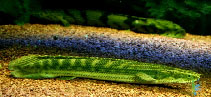
ການຖ່າຍທອດທາງກຳມະພັນຈາກພໍ່ແມ່ຫາລູກ: 0; ຄີກົ້ນຂອງປາ: 13 - 16; ສັດທີ່ມີກະດູກສັນຫຼັງ: 61 - 62. Diagnosis: Polypterus bichir is characterized by a lower jaw slightly longer than upper jaw and a pectoral fin reaching the first dorsal ray (Ref. 2835, 42908, 81263). The subspecies P. bichir bichir has 63 to 70 scales in lateral line, 14 to 18 dorsal fin rays and 11 to 13 pelvic fin rays (Ref. 367, 81263). The subspecies P. bichir lapradei has 58 to 68 scales in lateral line, 13 to 15 dorsal fin rays and 13 to 16 pelvic fin rays (Ref. 367, 81263).
Body shape (shape guide): elongated; Cross section: circular.
Facultative air-breathing (Ref. 126274); Polypterus bichir bichir likes shallow water and will often lie basking fo hours near the surface, but when swimming the fish is very pliant, and can turn and twist like an eel (Ref. 4904). The eggs are deposited in weeds, where the adult fish guards the eggs and young (Ref. 36900). It feeds on bottom-feeding fish (Ref. 36900) and is essentially piscivorous (Ref. 367).
ວົງຈອນຊີວິດ ແລະພຶດຕິກໍາການຫາຄູ່
ການຈະເລີນເຕັມໄວ | ການສືບພັນ | ການວາງໄຂ່ | ໄຂ່ | ຄວາມດົກຂອງໄຂ່ປາ | ຕົວອ່ອນ
Gosse, J.P. and J. Daget, 2003. Polypteridae. p. 101-112. In D. Paugy, C. Lévêque and G.G Teugels (eds.) The fresh and brackish water fishes of West Africa Volume 1. Coll. faune et flore tropicales 40. Institut de recherche de développement, Paris, France, Muséum national d'histoire naturelle, Paris, France and Musée royal de l'Afrique Central, Tervuren, Belgium, 457p. (Ref. 81263)
ສະຖານະພາບບັນຊີແດງຂອງ IUCN (Ref. 130435: Version 2025-2 (Global))
ໄພຂົ່ມຂູ່ຕໍ່ມະນຸດ
Harmless
ການນໍາໃຊ້ຂອງມະນຸດ
ການປະມົງ: ເປັນສີນຄ້າ
ເຄື່ອງມື
ບົດລາຍງານພິເສດ
ດາວໂຫລດ XML
ແຫຼ່ງອີນເຕີເນັດ
ການຄາດຄະເນໂດຍອີງໃສ່ແບບຈໍາລອງ
ດັດຊະນີຄວາມຫຼາກຫຼາຍທາງຊີວະພາບ (ເອກະສານອ້າງອີງ
82804): PD
50 = 0.5003 [Uniqueness, from 0.5 = low to 2.0 = high].
Bayesian length-weight: a=0.00457 (0.00194 - 0.01077), b=3.05 (2.85 - 3.25), in cm total length, based on LWR estimates for this (Sub)family-body shape (Ref.
93245).
ຊັ້ນເຂດຮ້ອນ (ເອກະສານອ້າງອີງ
69278): 4.5 ±0.80 se; based on food items.
ຄວາມຢືດຢຸ່ນ (ເອກະສານອ້າງອີງ
120179): ສູງ, ປະຊາກອນຕຳ່ສຸດທີ່ໃຊ້ເວລາສອງໜ້ອຍກວ່າ 15 ເດືອນ (Preliminary K or Fecundity.).
ຄວາມສ່ຽງຕໍ່ການຫາປາ (Ref.
59153): Moderate to high vulnerability (50 of 100).
🛈