>
Eupercaria/misc (Various families in series Eupercaria) >
Labridae (Wrasses) > Labrinae
Etymology: Tautoga: Plural of the word "taut", an Indian Brazil name translated by Roger William from f the Narragansett, "tautauog" = sheepshead.
More on author: Linnaeus.
ສະພາບແວດລ້ອມ: ສະພາບແວດລ້ອມ / ເຂດດິນຟ້າອາກາດ / ລະດັບຄວາມເລິກ / ຂອບເຂດການແຈກຢາຍ
ນິເວດວິທະຍາ
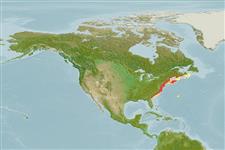
ສັດທະເລ; ນ້ຳກ່ອຍ ກ່ຽວກັນຫີນ; ລະດັບຄວາມເລິກ 1 - 75 m. Subtropical; 46°N - 31°N, 81°W - 58°W
Western Atlantic: slightly east of Halifax in Nova Scotia, Canada to South Carolina in USA; most abundant between Cape Cod and Delaware Bay.
ຄວາມຍາວໃນການເຕີບໂຕເຕັມຄັ້ງທໍາອິດ / ຂະໜາດ / ນ້ຳໜັກ / ອາຍຸ
ການຈະເລີນເຕັມໄວ: Lm 23.6, range 18 - 26.5 cm
Max length : 91.0 cm TL ຕົວຜູ້/ບໍ່ມີເພດ; (Ref. 7251); ນ້ຳໜັກສູງສຸດທີ່ເຄຍຈັດພີມມາ: 11.3 kg (Ref. 40637); ອາຍຸສູງສຸດທີ່ເຄຍລາຍງານມາ: 34 ປີ (Ref. 6486)
ຄີ (ໜາມ)ແຂງຢູ່ຫຼັງປາ (ທັງໝົດ) : 16 - 17; ຄີຫຼັງຂອງປາ (ຄີອ່ອນ) (ທັງໝົດ) : 10; ຄີ(ໜາມ) ແຂງຢູ່ຄີກົ້ນປາ
ກຸ່ມປາກະດູກແຂງ
ຄວາມຖີ່ຂອງກຸ່ມຖ່າຍທອດພັນ
ປາທີ່ມີການເຄື່ອນຍ້າຍຈາກທະເລໄປຫານ້ຳຈືດ ແລະນ້ຳຈືດຫາທະເລ
ປາທີ່ມີການເຄື່ອນຍ້າຍຈາກທະເລແລະໄປໄຂ່ຢູ່ນ້ຳຈືດ
ຄີກົ້ນຂອງປາ
ສັດທີ່ມີກະດູກສັນຫັຼງ
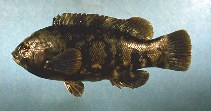
ການຖ່າຍທອດທາງກຳມະພັນຈາກພໍ່ແມ່ຫາລູກ: 3; ຄີກົ້ນຂອງປາ: 7 - 8. Distinguished from Tautogolabrus adspersus which occurs in the same area and further north, by its steep, rounded dorsal head profile; stouter body; scaled lower gill cover; and the more backward location of the pelvic fins.
Body shape (shape guide): fusiform / normal; Cross section: compressed.
Found close to shore on hard-bottom habitats, occasionally entering brackish water. Adult male territorial and active during the day to feed and rests in crevices at night. Prefers temperatures above 10°C. Spawning was noted in June-July in Canadian waters, but appears more protracted (April-July) in coastal waters of Virginia, USA. Feeds mainly on mussels, gastropods, other mollusks and crustaceans. This species has gained popularity as a prized food and sport fish (Ref. 6486, 4926, 41297). Investigation on the diel and seasonal activity patterns of the adult tautog in its southern range were conducted using ultrasonic telemetry (Ref. 41297).
Spawns in groups or in pairs. Pairing occurs between females and size-dominant males exhibiting strong territoriality and performing a protracted courtship (Ref. 6488). Gonochorism is confirmed for this species (Ref. 103751).
Leim, A.H. and W.B. Scott, 1966. Fishes of the Atlantic coast of Canada. Bull. Fish. Res. Board Can. (155):485 p. (Ref. 4926)
ສະຖານະພາບບັນຊີແດງຂອງ IUCN (Ref. 130435: Version 2025-2 (Global))
ໄພຂົ່ມຂູ່ຕໍ່ມະນຸດ
Harmless
ການນໍາໃຊ້ຂອງມະນຸດ
ການປະມົງ: ທີ່ເປັນການຄ້າໜ້ອຍ; ຊະນິດປາທີ່ຖືກນຳໃຊ້ເຂົ້າໃນການຫາເພື່ອເປັນເກມກິລາ: ແມ່ນ; ຕູ້ປາ: ບ່ອນວາງສະແດງສັນນ້ຳຂອງລັດ
ເຄື່ອງມື
ບົດລາຍງານພິເສດ
ດາວໂຫລດ XML
ແຫຼ່ງອີນເຕີເນັດ
ການຄາດຄະເນໂດຍອີງໃສ່ແບບຈໍາລອງ
ອຸນຫະພູມທີ່ຕ້ອງການ (ເອກະສານອ້າງອີງ
123201): 5.3 - 22.8, mean 10.9 °C (based on 96 cells).
ດັດຊະນີຄວາມຫຼາກຫຼາຍທາງຊີວະພາບ (ເອກະສານອ້າງອີງ
82804): PD
50 = 1.0000 [Uniqueness, from 0.5 = low to 2.0 = high].
Bayesian length-weight: a=0.01259 (0.00824 - 0.01922), b=3.05 (2.92 - 3.18), in cm total length, based on LWR estimates for this species & (Sub)family-body (Ref.
93245).
ຊັ້ນເຂດຮ້ອນ (ເອກະສານອ້າງອີງ
69278): 3.3 ±0.47 se; based on food items.
ຄວາມຢືດຢຸ່ນ (ເອກະສານອ້າງອີງ
120179): ຕຳ່, ປະຊາກອນຕຳ່ສຸດທີ່ໃຊ້ເວລາສອງເທົ່າ 4.5 - 14 ປີ (K=0.09; tm=2-3; tmax=34).
ຄວາມສ່ຽງຕໍ່ການຫາປາ (Ref.
59153): High to very high vulnerability (69 of 100).
🛈
ຄວາມສ່ຽງດ້ານສະພາບອາກາດ (Ref.
125649): Moderate to high vulnerability (55 of 100).
🛈
ທາດອາຫານ (Ref.
124155): Calcium = 16.1 [7.1, 31.7] mg/100g; Iron = 0.447 [0.241, 0.886] mg/100g; Protein = 19.5 [16.6, 21.7] %; Omega3 = 0.193 [0.107, 0.343] g/100g; Selenium = 18.8 [9.2, 37.9] μg/100g; VitaminA = 39.3 [11.0, 166.7] μg/100g; Zinc = 0.912 [0.612, 1.593] mg/100g (wet weight);