>
Gobiiformes (Gobies) >
Gobiidae (Gobies) > Gobiinae
Etymology: Aphia: Greek, aphia, -as = a kind of plant (Tussilago sp.) (Ref. 45335).
More on author: Risso.
ສະພາບແວດລ້ອມ: ສະພາບແວດລ້ອມ / ເຂດດິນຟ້າອາກາດ / ລະດັບຄວາມເລິກ / ຂອບເຂດການແຈກຢາຍ
ນິເວດວິທະຍາ
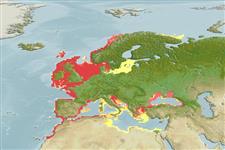
ສັດທະເລ; ນ້ຳກ່ອຍ pelagic-neritic; ປາທີ່ມີການເຄື່ອນຍ້າຍໃນສະເພາະມາະຫາສະມຸດ (Ref. 51243); ລະດັບຄວາມເລິກ 0 - 97 m (Ref. 57814), usually 5 - 80 m (Ref. 57814). Subtropical; 13°C - 16°C (Ref. 57814); 70°N - 25°N, 13°W - 42°E
Atlantic Ocean: Trondheim to Morocco. Also known from the Mediterranean including Black Sea and the Azov Sea (Ref. 57814).
ຄວາມຍາວໃນການເຕີບໂຕເຕັມຄັ້ງທໍາອິດ / ຂະໜາດ / ນ້ຳໜັກ / ອາຍຸ
ການຈະເລີນເຕັມໄວ: Lm 3.8, range 3 - ? cm
Max length : 7.9 cm TL ຕົວຜູ້/ບໍ່ມີເພດ; (Ref. 26260); ອາຍຸສູງສຸດທີ່ເຄຍລາຍງານມາ: 1.00 ປີ (Ref. 232)
ຄີ (ໜາມ)ແຂງຢູ່ຫຼັງປາ (ທັງໝົດ) : 4 - 6; ຄີຫຼັງຂອງປາ (ຄີອ່ອນ) (ທັງໝົດ) : 11 - 13; ຄີ(ໜາມ) ແຂງຢູ່ຄີກົ້ນປາ
ກຸ່ມປາກະດູກແຂງ
ຄວາມຖີ່ຂອງກຸ່ມຖ່າຍທອດພັນ
ປາທີ່ມີການເຄື່ອນຍ້າຍຈາກທະເລໄປຫານ້ຳຈືດ ແລະນ້ຳຈືດຫາທະເລ
ປາທີ່ມີການເຄື່ອນຍ້າຍຈາກທະເລແລະໄປໄຂ່ຢູ່ນ້ຳຈືດ
ຄີກົ້ນຂອງປາ
ສັດທີ່ມີກະດູກສັນຫັຼງ
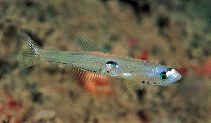
ການຖ່າຍທອດທາງກຳມະພັນຈາກພໍ່ແມ່ຫາລູກ: 1; ຄີກົ້ນຂອງປາ: 11 - 15. Transparent body, more or less reddish, with chromatophores along bases of median fins and on head. Vertebrae 26-28 (Ref. 232). Males with longer dorsal and anal fins than females (Ref. 35388).
Body shape (shape guide): elongated.
Benthic and free swimming (Ref. 92840). A neotenic, pelagic species inhabiting inshore and estuarine waters, over sand, mud and eel-grass (Ref. 4343). Adults feed on zooplankton, especially copepods, cirripede larvae and mysids (Ref. 4343). They spawn in summer in empty bivalve shells (Ref. 35388). Probably migrate to deeper water to spawn during summer (Ref. 57814). Adults die after breeding (Ref. 4696) which does not qualify as a manifestation of semelparity but abbreviate iteroparity according to a recent study (Ref. 81039). Eggs are pear-shaped (Ref. 4696).
Single spawner, all oocytes in the ovaries grow at a similar rate (Ref. 57814). However, a recent study showed that this species breeds at least twice during its short lifespan with batches of oocytes at different vittelogenic stages in the ovary (Ref. 81039). Reproduction is of the abbreviate iteroparous type with more than one spawning per reproductive season (in spring and summer in older females, in summer and autumn in the yougner ones) (Ref. 81039).
Maugé, L.A., 1986. Gobiidae. p. 358-388. In J. Daget, J.-P. Gosse and D.F.E. Thys van den Audenaerde (eds.) Check-list of the freshwater fishes of Africa (CLOFFA). ISNB, Brussels; MRAC, Tervuren; and ORSTOM, Paris. Vol. 2. (Ref. 4343)
ສະຖານະພາບບັນຊີແດງຂອງ IUCN (Ref. 130435: Version 2025-2 (Global))
ໄພຂົ່ມຂູ່ຕໍ່ມະນຸດ
Harmless
ການນໍາໃຊ້ຂອງມະນຸດ
ການປະມົງ: ເປັນສີນຄ້າ
ເຄື່ອງມື
ບົດລາຍງານພິເສດ
ດາວໂຫລດ XML
ແຫຼ່ງອີນເຕີເນັດ
ການຄາດຄະເນໂດຍອີງໃສ່ແບບຈໍາລອງ
ອຸນຫະພູມທີ່ຕ້ອງການ (ເອກະສານອ້າງອີງ
123201): 7.6 - 18.6, mean 10.8 °C (based on 1452 cells).
ດັດຊະນີຄວາມຫຼາກຫຼາຍທາງຊີວະພາບ (ເອກະສານອ້າງອີງ
82804): PD
50 = 1.0000 [Uniqueness, from 0.5 = low to 2.0 = high].
Bayesian length-weight: a=0.00575 (0.00506 - 0.00654), b=3.09 (3.05 - 3.13), in cm total length, based on LWR estimates for this species (Ref.
93245).
ຊັ້ນເຂດຮ້ອນ (ເອກະສານອ້າງອີງ
69278): 3.2 ±0.2 se; based on diet studies.
ຄວາມຢືດຢຸ່ນ (ເອກະສານອ້າງອີງ
120179): ສູງ, ປະຊາກອນຕຳ່ສຸດທີ່ໃຊ້ເວລາສອງໜ້ອຍກວ່າ 15 ເດືອນ (K>0.3; tm=1; tmax=1; Fec = 935).
ຄວາມສ່ຽງຕໍ່ການຫາປາ (Ref.
59153): Low vulnerability (12 of 100).
🛈
ທາດອາຫານ (Ref.
124155): Calcium = 395 [175, 1,059] mg/100g; Iron = 2.75 [1.16, 5.97] mg/100g; Protein = 18.4 [16.2, 20.3] %; Omega3 = 0.294 [0.105, 0.828] g/100g; Selenium = 29.2 [9.5, 91.1] μg/100g; VitaminA = 9.18 [1.88, 40.11] μg/100g; Zinc = 2.41 [1.43, 3.95] mg/100g (wet weight);