>
Salmoniformes (Salmons) >
Salmonidae (Salmonids) > Coregoninae
Etymology: Coregonus: Greek, kore = pupils of the eye + Greek, gonia = angle (Ref. 45335).
More on author: Linnaeus.
ສະພາບແວດລ້ອມ: ສະພາບແວດລ້ອມ / ເຂດດິນຟ້າອາກາດ / ລະດັບຄວາມເລິກ / ຂອບເຂດການແຈກຢາຍ
ນິເວດວິທະຍາ
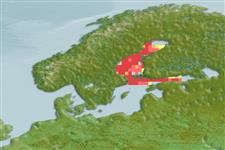
ສັດທະເລ; ນ້ຳຈືດ; ນ້ຳກ່ອຍ ກ່ຽວກັບ (ຢູ່)ເທິງຊັ້ນພື້ນດິນໃນທະເລເປີດ; ປາທີ່ມີການເຄື່ອນຍ້າຍຈາກທະເລ ແລະ ໄປໄຂ່ຢູ່ນ້ຳຈືດ (Ref. 138280); ລະດັບຄວາມເລິກ 30 - ? m. Temperate; 66°N - 59°N, 16°E - 31°E
Europe: Baltic basin, lakes of upper Volga drainage (Seliger, Vseluga, Perejaslavskoe), some lakes of White sea basin and North Sea basin east of Elbe drainage. Anadromous in Gulf of Finland and marine in northernmost freshened part of Gulf of Bothnia; north to about 69° N in Lake Inari, northern Finland; lower Rhine (now extirpated). Frequently stocked in lakes and reservoirs in Germany and Poland.
ຂະໜາດ / ນ້ຳໜັກ / ອາຍຸ
ການຈະເລີນເຕັມໄວ: Lm ? range ? - ? cm
Max length : 48.0 cm TL ຕົວຜູ້/ບໍ່ມີເພດ; (Ref. 556); common length : 20.0 cm TL ຕົວຜູ້/ບໍ່ມີເພດ; (Ref. 556); ນ້ຳໜັກສູງສຸດທີ່ເຄຍຈັດພີມມາ: 1.0 kg (Ref. 556); ອາຍຸສູງສຸດທີ່ເຄຍລາຍງານມາ: 10 ປີ (Ref. 593)
ຄີ (ໜາມ)ແຂງຢູ່ຫຼັງປາ (ທັງໝົດ) : 0; ຄີຫຼັງຂອງປາ (ຄີອ່ອນ) (ທັງໝົດ) : 11 - 13; ຄີ(ໜາມ) ແຂງຢູ່ຄີກົ້ນປາ
ກຸ່ມປາກະດູກແຂງ
ຄວາມຖີ່ຂອງກຸ່ມຖ່າຍທອດພັນ
ປາທີ່ມີການເຄື່ອນຍ້າຍຈາກທະເລໄປຫານ້ຳຈືດ ແລະນ້ຳຈືດຫາທະເລ
ປາທີ່ມີການເຄື່ອນຍ້າຍຈາກທະເລແລະໄປໄຂ່ຢູ່ນ້ຳຈືດ
ຄີກົ້ນຂອງປາ
ສັດທີ່ມີກະດູກສັນຫັຼງ
ການຖ່າຍທອດທາງກຳມະພັນຈາກພໍ່ແມ່ຫາລູກ: 0; ຄີກົ້ນຂອງປາ: 13 - 17.
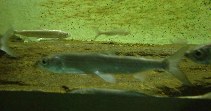
Body shape (shape guide): fusiform / normal.
Lacustrine and marine in open water. At sea, forages close to coast (Ref. 59043). Adults form pelagic schools in deeper lakes (Ref. 4779). Spawning occurs along shores, at 3-10 m depth, rarely to 22 m depth or just below surface, in deeper in clear lakes and closer to surface in lakes with humic waters (Ref. 59043), on shallow sand or gravel substrate. Anadromous in the Baltic. Adults feed on planktonic crustaceans (Ref. 4779).
Ascend a short distance up the rivers in shoals in late August to mid-October. Mature in the second year (lacustrine forms later) and the young ones descend in late summer (Ref. 4779).
Svetovidov, A.N., 1984. Salmonidae. p. 373-385. In P.J.P. Whitehead, M.-L. Bauchot, J.-C. Hureau, J. Nielsen and E. Tortonese (eds.) Fishes of the north-eastern Atlantic and the Mediterranean. UNESCO, Paris. vol. 1. (Ref. 4779)
ສະຖານະພາບບັນຊີແດງຂອງ IUCN (Ref. 130435: Version 2025-2 (Global))
ໄພຂົ່ມຂູ່ຕໍ່ມະນຸດ
Harmless
ການນໍາໃຊ້ຂອງມະນຸດ
ການປະມົງ: ເປັນສີນຄ້າ; ການລ້ຽງສັດນ້ຳ: ການທົດລອງ
ເຄື່ອງມື
ບົດລາຍງານພິເສດ
ດາວໂຫລດ XML
ແຫຼ່ງອີນເຕີເນັດ
ການຄາດຄະເນໂດຍອີງໃສ່ແບບຈໍາລອງ
ອຸນຫະພູມທີ່ຕ້ອງການ (ເອກະສານອ້າງອີງ
123201): 2.1 - 4.5, mean 2.6 °C (based on 38 cells).
ດັດຊະນີຄວາມຫຼາກຫຼາຍທາງຊີວະພາບ (ເອກະສານອ້າງອີງ
82804): PD
50 = 0.5000 [Uniqueness, from 0.5 = low to 2.0 = high].
Bayesian length-weight: a=0.00468 (0.00390 - 0.00560), b=3.21 (3.17 - 3.25), in cm total length, based on LWR estimates for this species (Ref.
93245).
ຊັ້ນເຂດຮ້ອນ (ເອກະສານອ້າງອີງ
69278): 3.1 ±0.2 se; based on diet studies.
ຄວາມຢືດຢຸ່ນ (ເອກະສານອ້າງອີງ
120179): ຂະໜາດກາງ, ປະຊາກອນຕຳ່ສຸດທີ່ໃຊ້ເວລາສອງເທົ່າ 1.4 - 4.4 ປີ (K=0.3-0.7; tm=2; tmax=10; Fec=2,000).
ຄວາມສ່ຽງຕໍ່ການຫາປາ (Ref.
59153): Moderate vulnerability (35 of 100).
🛈
ຄວາມສ່ຽງດ້ານສະພາບອາກາດ (Ref.
125649): High vulnerability (62 of 100).
🛈
ທາດອາຫານ (Ref.
124155): Calcium = 21.4 [13.3, 39.0] mg/100g; Iron = 0.364 [0.260, 0.521] mg/100g; Protein = 17.7 [16.5, 18.8] %; Omega3 = 1.12 [0.49, 2.91] g/100g; Selenium = 17.9 [8.0, 39.0] μg/100g; VitaminA = 13.8 [5.2, 36.5] μg/100g; Zinc = 0.609 [0.504, 0.716] mg/100g (wet weight); based on
nutrient studies.