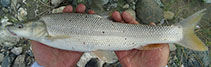
ການຈັດປະເພດ / ຊື່
ຊື່ສາມັນ | ຄຳສັບຄ້າຍຄືກັນ | Catalog of Fishes(ຕະກຸນ, ຊະນິດ) | ITIS | CoL | WoRMS | Cloffa
ສະພາບແວດລ້ອມ: ສະພາບແວດລ້ອມ / ເຂດດິນຟ້າອາກາດ / ລະດັບຄວາມເລິກ / ຂອບເຂດການແຈກຢາຍ
ນິເວດວິທະຍາ
; ນ້ຳຈືດ; ນ້ຳກ່ອຍ ກ່ຽວກັບ (ຢູ່)ເທິງຊັ້ນພື້ນດິນໃນທະເລເປີດ; ປາທີ່ມີການເຄື່ອນຍ້າຍຈາກທະເລ ແລະ ໄປໄຂ່ຢູ່ນ້ຳຈືດ (Ref. 59043). Temperate
Europe and Asia: Caspian basin, from Volga southward to Atrek (Iran); Aral basin in Amu Darya, Syr Darya and Chu drainages.
ຂະໜາດ / ນ້ຳໜັກ / ອາຍຸ
ການຈະເລີນເຕັມໄວ: Lm ? range ? - ? cm
Max length : 105 cm TL ຕົວຜູ້/ບໍ່ມີເພດ; (Ref. 1441); common length : 65.0 cm TL ຕົວຜູ້/ບໍ່ມີເພດ; (Ref. 1441); ນ້ຳໜັກສູງສຸດທີ່ເຄຍຈັດພີມມາ: 15.0 kg (Ref. 59043)
ຄີ (ໜາມ)ແຂງຢູ່ຫຼັງປາ (ທັງໝົດ) : 4; ຄີຫຼັງຂອງປາ (ຄີອ່ອນ) (ທັງໝົດ) : 8; ຄີ(ໜາມ) ແຂງຢູ່ຄີກົ້ນປາ
ກຸ່ມປາກະດູກແຂງ
ຄວາມຖີ່ຂອງກຸ່ມຖ່າຍທອດພັນ
ປາທີ່ມີການເຄື່ອນຍ້າຍຈາກທະເລໄປຫານ້ຳຈືດ ແລະນ້ຳຈືດຫາທະເລ
ປາທີ່ມີການເຄື່ອນຍ້າຍຈາກທະເລແລະໄປໄຂ່ຢູ່ນ້ຳຈືດ
ຄີກົ້ນຂອງປາ
ສັດທີ່ມີກະດູກສັນຫັຼງ
ການຖ່າຍທອດທາງກຳມະພັນຈາກພໍ່ແມ່ຫາລູກ: 2; ຄີກົ້ນຂອງປາ: 5. Diagnosed from other species of Barbus and Luciobarbus in Caspian Se basin by having the following characters: predorsal length longer than postdorsal length; dorsal fin with 8½ branched rays; 12-18 gill rakers; back between head and dorsal origin laterally compressed, forming a keel; lateral line with 52-72 (usually 60-66) scales; and lower lip thin, without median lobe or pad (Ref. 59043).
Body shape (shape guide): elongated.
Adults occur in the sea, mostly close to shores and forages also in estuaries. They are semi-anadromous and non-anadromous, rarely landlocked in reservoirs. Adults and juveniles feed on invertebrates, algae, detritus, plant material, and small fishes, while larvae prey on zooplankton and small benthic invertebrates. Spawn in lowland streams and rivers on sand-gravel bottom, usually in strong current. Undertake migration to uppermost tributaries of rivers. Non-anadromous populations begin to migrate during late summer-autumn and spawn following spring, but some enter rivers in early spring and spawn same year. Migration by non-anadromous populations takes place just before spawning to upper stretches of tributaries or spawn in lakes and reservoirs on sand to mud bottom (Ref. 59043).
Kottelat, M. and J. Freyhof, 2007. Handbook of European freshwater fishes. Publications Kottelat, Cornol and Freyhof, Berlin. 646 pp. (Ref. 59043)
ສະຖານະພາບບັນຊີແດງຂອງ IUCN (Ref. 130435: Version 2025-2 (Global))
ໄພຂົ່ມຂູ່ຕໍ່ມະນຸດ
Harmless
ການນໍາໃຊ້ຂອງມະນຸດ
ເຄື່ອງມື
ບົດລາຍງານພິເສດ
ດາວໂຫລດ XML
ແຫຼ່ງອີນເຕີເນັດ
ການຄາດຄະເນໂດຍອີງໃສ່ແບບຈໍາລອງ
ດັດຊະນີຄວາມຫຼາກຫຼາຍທາງຊີວະພາບ (ເອກະສານອ້າງອີງ
82804): PD
50 = 0.5000 [Uniqueness, from 0.5 = low to 2.0 = high].
Bayesian length-weight: a=0.00617 (0.00304 - 0.01252), b=3.06 (2.89 - 3.23), in cm total length, based on LWR estimates for this Genus-body shape (Ref.
93245).
ຊັ້ນເຂດຮ້ອນ (ເອກະສານອ້າງອີງ
69278): 2.8 ±0.3 se; based on size and trophs of closest relatives
ຄວາມຢືດຢຸ່ນ (ເອກະສານອ້າງອີງ
120179): ຕຳ່, ປະຊາກອນຕຳ່ສຸດທີ່ໃຊ້ເວລາສອງເທົ່າ 4.5 - 14 ປີ (tm=3-7; Fec=15,000-125,000).
ຄວາມສ່ຽງຕໍ່ການຫາປາ (Ref.
59153): High vulnerability (63 of 100).
🛈