>
Cichliformes (Cichlids, convict blennies) >
Cichlidae (Cichlids) > Pseudocrenilabrinae
Etymology: Oreochromis: Latin, aurum = gold + Greek, chromis = a fish, perhaps a perch (Ref. 45335).
More on author: Günther.
ສະພາບແວດລ້ອມ: ສະພາບແວດລ້ອມ / ເຂດດິນຟ້າອາກາດ / ລະດັບຄວາມເລິກ / ຂອບເຂດການແຈກຢາຍ
ນິເວດວິທະຍາ
; ນ້ຳຈືດ ກ່ຽວກັບ (ຢູ່)ເທິງຊັ້ນພື້ນດິນໃນທະເລເປີດ. Tropical; 9°S - 15°S
Africa: Lake Malawi and its catchment (Ref. 118630), including crater lakes Kingiri, Ilamba and Massoko (Ref. 118638) and Upper Shire River (Ref. 37112).
ຄວາມຍາວໃນການເຕີບໂຕເຕັມຄັ້ງທໍາອິດ / ຂະໜາດ / ນ້ຳໜັກ / ອາຍຸ
ການຈະເລີນເຕັມໄວ: Lm 26.9, range 20 - 37 cm
Max length : 36.0 cm SL ຕົວຜູ້/ບໍ່ມີເພດ; (Ref. 4967)
ຄີ (ໜາມ)ແຂງຢູ່ຫຼັງປາ (ທັງໝົດ) : 16 - 17; ຄີຫຼັງຂອງປາ (ຄີອ່ອນ) (ທັງໝົດ) : 10 - 11; ຄີ(ໜາມ) ແຂງຢູ່ຄີກົ້ນປາ
ກຸ່ມປາກະດູກແຂງ
ຄວາມຖີ່ຂອງກຸ່ມຖ່າຍທອດພັນ
ປາທີ່ມີການເຄື່ອນຍ້າຍຈາກທະເລໄປຫານ້ຳຈືດ ແລະນ້ຳຈືດຫາທະເລ
ປາທີ່ມີການເຄື່ອນຍ້າຍຈາກທະເລແລະໄປໄຂ່ຢູ່ນ້ຳຈືດ
ຄີກົ້ນຂອງປາ
ສັດທີ່ມີກະດູກສັນຫັຼງ
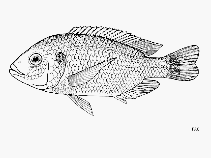
ການຖ່າຍທອດທາງກຳມະພັນຈາກພໍ່ແມ່ຫາລູກ: 3; ຄີກົ້ນຂອງປາ: 8 - 10. Diagnosis: A heavily-built large tilapia species with a wide rounded head; dwarf populations exist in some crater lakes, showing bony 'hunger-form' body shape (Ref. 118638). Females and juveniles with grey bodies and 6 or more vertical bars; males have a bright blue, occasionally white or green, 'mask' across the head; when fully ripe, the underside of most of the body can be black, with the upper surface a conspicuous white to pale blue; genital tassel can be long and branched, pinkish to bright yellow; females and non-territorial males are indistinguishable from Oreochromis karongae (Ref. 118638).
Body shape (shape guide): fusiform / normal; Cross section: compressed.
A semi-pelagic species (Ref. 4967), found in all kinds of habitats but seen mostly in shallow water; it is abundant in the southeastern arm of Lake Malawi, where it occurs in shallow, vegetated bays (Ref. 5595). It feeds on phytoplankton and sometimes from the sediment on the sand; diatoms constitute the major part of its diet (Ref. 5595). Major component of the fisheries catch in Lake Malawi (Ref. 118638). IUCN conservation status is endangered, due to declining population trend (Ref. 118638).
Mating behavior includes the T-stand, both partners alternately forming the horizontal part of the T. Eggs are laid in batches and immediately picked up by the female. Fertilization takes place both on the ground and in the mouth. Females brood eggs/young, guarding their fry until about 15 mm (Ref. 2781).
Trewavas, E., 1983. Tilapiine fishes of the genera Sarotherodon, Oreochromis and Danakilia. British Mus. Nat. Hist., London, UK. 583 p. (Ref. 2)
ສະຖານະພາບບັນຊີແດງຂອງ IUCN (Ref. 130435: Version 2025-2 (Global))
ໄພຂົ່ມຂູ່ຕໍ່ມະນຸດ
Harmless
ການນໍາໃຊ້ຂອງມະນຸດ
ການປະມົງ: ເປັນສີນຄ້າ; ຕູ້ປາ: ເປັນສີນຄ້າ
ເຄື່ອງມື
ບົດລາຍງານພິເສດ
ດາວໂຫລດ XML
ແຫຼ່ງອີນເຕີເນັດ
ການຄາດຄະເນໂດຍອີງໃສ່ແບບຈໍາລອງ
ດັດຊະນີຄວາມຫຼາກຫຼາຍທາງຊີວະພາບ (ເອກະສານອ້າງອີງ
82804): PD
50 = 0.5000 [Uniqueness, from 0.5 = low to 2.0 = high].
Bayesian length-weight: a=0.01622 (0.00828 - 0.03177), b=3.00 (2.84 - 3.16), in cm total length, based on LWR estimates for this species & Genus-body shape (Ref.
93245).
ຊັ້ນເຂດຮ້ອນ (ເອກະສານອ້າງອີງ
69278): 2.1 ±0.00 se; based on food items.
ຄວາມຢືດຢຸ່ນ (ເອກະສານອ້າງອີງ
120179): ຂະໜາດກາງ, ປະຊາກອນຕຳ່ສຸດທີ່ໃຊ້ເວລາສອງເທົ່າ 1.4 - 4.4 ປີ (K=0.24-0.45; tm=3).
ຄວາມສ່ຽງຕໍ່ການຫາປາ (Ref.
59153): Moderate vulnerability (38 of 100).
🛈
ທາດອາຫານ (Ref.
124155): Calcium = 15.4 [6.5, 81.6] mg/100g; Iron = 1.23 [0.56, 2.94] mg/100g; Protein = 17.9 [16.3, 19.8] %; Omega3 = 0.387 [0.135, 1.078] g/100g; Selenium = 75.2 [28.6, 173.9] μg/100g; VitaminA = 22 [5, 89] μg/100g; Zinc = 2.12 [1.16, 4.98] mg/100g (wet weight);