>
Scombriformes (Mackerels) >
Scombridae (Mackerels, tunas, bonitos) > Scombrinae
Etymology: Scomberomorus: Latin, scomber = mackerel + Greek, moros = silly, stupid (Ref. 45335).
Eponymy: Ian Stafford Ross Munro (1919–1994) was an Australian ichthyologist, aquarist and marine biologist. [...] (Ref. 128868), visit book page.
ສະພາບແວດລ້ອມ: ສະພາບແວດລ້ອມ / ເຂດດິນຟ້າອາກາດ / ລະດັບຄວາມເລິກ / ຂອບເຂດການແຈກຢາຍ
ນິເວດວິທະຍາ
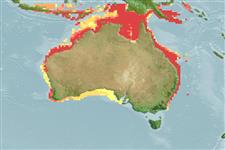
ສັດທະເລ pelagic-neritic; ປາທີ່ມີການເຄື່ອນຍ້າຍໃນສະເພາະມາະຫາສະມຸດ (Ref. 51243); ລະດັບຄວາມເລິກ ? - 100 m (Ref. 6390). Tropical; 6°S - 38°S, 110°E - 157°E (Ref. 168)
Western Pacific: restricted to the northern coast of Australia, from the Abrolhos Islands region of Western Australia to Coffs Harbor and Kempsey in central New South Wales; also occurring in southern Papua New Guinea from Kerema to Port Moresby.
ຄວາມຍາວໃນການເຕີບໂຕເຕັມຄັ້ງທໍາອິດ / ຂະໜາດ / ນ້ຳໜັກ / ອາຍຸ
ການຈະເລີນເຕັມໄວ: Lm ?, range 61 - ? cm
Max length : 104 cm FL ຕົວຜູ້/ບໍ່ມີເພດ; (Ref. 6390); ນ້ຳໜັກສູງສຸດທີ່ເຄຍຈັດພີມມາ: 10.2 kg (Ref. 3132)
ຄີ (ໜາມ)ແຂງຢູ່ຫຼັງປາ (ທັງໝົດ) : 20 - 22; ຄີຫຼັງຂອງປາ (ຄີອ່ອນ) (ທັງໝົດ) : 17 - 20; ຄີ(ໜາມ) ແຂງຢູ່ຄີກົ້ນປາ
ກຸ່ມປາກະດູກແຂງ
ຄວາມຖີ່ຂອງກຸ່ມຖ່າຍທອດພັນ
ປາທີ່ມີການເຄື່ອນຍ້າຍຈາກທະເລໄປຫານ້ຳຈືດ ແລະນ້ຳຈືດຫາທະເລ
ປາທີ່ມີການເຄື່ອນຍ້າຍຈາກທະເລແລະໄປໄຂ່ຢູ່ນ້ຳຈືດ
ຄີກົ້ນຂອງປາ
ສັດທີ່ມີກະດູກສັນຫັຼງ
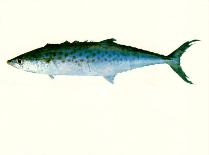
ການຖ່າຍທອດທາງກຳມະພັນຈາກພໍ່ແມ່ຫາລູກ: 0; ຄີກົ້ນຂອງປາ: 17 - 19; ສັດທີ່ມີກະດູກສັນຫຼັງ: 50 - 52. Interpelvic process small and bifid. Lateral line gradually curving down toward caudal peduncle. Intestine with 2 folds and 3 limbs. Swim bladder absent. Body covered with small scales. Sides with several poorly defined rows of round spots, larger than pupil but smaller than eye diameter. The inner surface of the pectoral fin is dark blue, the cheeks and belly silvery white, the anal fin and anal finlets light silvery gray, and the dorsal fin black, bright steely blue when fresh.
Body shape (shape guide): fusiform / normal; Cross section: oval.
Found more commonly in offshore, open waters away from reefs and shoals (Ref. 30199). Form large schools which move close inshore along the coast of Queensland, commonly taken between December and April or May. Feed largely on fishes, particularly anchovies and sardines with smaller quantities of shrimps and squids. Common fork length ranges between 50 to 80 cm (Ref. 168). Sometimes confused with S. niphonius.
ວົງຈອນຊີວິດ ແລະພຶດຕິກໍາການຫາຄູ່
ການຈະເລີນເຕັມໄວ | ການສືບພັນ | ການວາງໄຂ່ | ໄຂ່ | ຄວາມດົກຂອງໄຂ່ປາ | ຕົວອ່ອນ
Collette, B.B. and C.E. Nauen, 1983. FAO Species Catalogue. Vol. 2. Scombrids of the world. An annotated and illustrated catalogue of tunas, mackerels, bonitos and related species known to date. Rome: FAO. FAO Fish. Synop. 125(2):137 p. (Ref. 168)
ສະຖານະພາບບັນຊີແດງຂອງ IUCN (Ref. 130435: Version 2025-2 (Global))
ໄພຂົ່ມຂູ່ຕໍ່ມະນຸດ
Reports of ciguatera poisoning (Ref. 6390)
ການນໍາໃຊ້ຂອງມະນຸດ
ການປະມົງ: ເປັນສີນຄ້າ; ຊະນິດປາທີ່ຖືກນຳໃຊ້ເຂົ້າໃນການຫາເພື່ອເປັນເກມກິລາ: ແມ່ນ
ເຄື່ອງມື
ບົດລາຍງານພິເສດ
ດາວໂຫລດ XML
ແຫຼ່ງອີນເຕີເນັດ
ການຄາດຄະເນໂດຍອີງໃສ່ແບບຈໍາລອງ
ອຸນຫະພູມທີ່ຕ້ອງການ (ເອກະສານອ້າງອີງ
123201): 22.5 - 28.6, mean 27.5 °C (based on 574 cells).
ດັດຊະນີຄວາມຫຼາກຫຼາຍທາງຊີວະພາບ (ເອກະສານອ້າງອີງ
82804): PD
50 = 0.5000 [Uniqueness, from 0.5 = low to 2.0 = high].
Bayesian length-weight: a=0.00832 (0.00379 - 0.01824), b=3.03 (2.86 - 3.20), in cm total length, based on LWR estimates for this Genus-body shape (Ref.
93245).
ຊັ້ນເຂດຮ້ອນ (ເອກະສານອ້າງອີງ
69278): 4.3 ±0.76 se; based on food items.
ຄວາມຢືດຢຸ່ນ (ເອກະສານອ້າງອີງ
120179): ຂະໜາດກາງ, ປະຊາກອນຕຳ່ສຸດທີ່ໃຊ້ເວລາສອງເທົ່າ 1.4 - 4.4 ປີ (K=0.50; tm=1-2; tmax=7).
ຄວາມສ່ຽງຕໍ່ການຫາປາ (Ref.
59153): Moderate vulnerability (36 of 100).
🛈