ກຸ່ມປາກະດູກອ່ອນ (ເຊັ່ນ: ປາສະຫລາມ, ປາຜາໄລ) (sharks and rays) >
Carcharhiniformes (Ground sharks) >
Pentanchidae (Deepwater catsharks)
Etymology: Haploblepharus: haplos (Gr.), single or simple; blepharon (Gr.), eyelid, referring to simple structure of lower eyelid, which closes against upper eyelid to protect the eye (See ETYFish); edwardsii: In honor of English naturalist George Edwards (1694-1773), known as the “father of British ornithology,” who was the first to illustrate this shark, in 1760 (See ETYFish).
Eponymy: George Edwards (1694–1773) was an illustrator, naturalist, and ornithologist. [...] (Ref. 128868), visit book page.
ສະພາບແວດລ້ອມ: ສະພາບແວດລ້ອມ / ເຂດດິນຟ້າອາກາດ / ລະດັບຄວາມເລິກ / ຂອບເຂດການແຈກຢາຍ
ນິເວດວິທະຍາ
ສັດທະເລ ອາໄສຢູ່ໃກ້ໜ້າດິນໃຕ້ພື້ນທ້ອງນ້ຳ; ລະດັບຄວາມເລິກ 0 - 130 m (Ref. 5510), usually 40 - 130 m (Ref. 5510). Subtropical; 29°S - 35°S
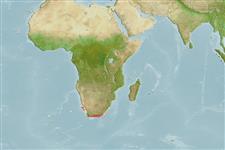
Southeast Atlantic: Cape Agulhas to Natal in South Africa. There are two different forms of this species, the 'Cape' and 'Natal' types, which differ in coloration and habitat and might be geographic variants or two distinct species (Ref. 6782).
ຄວາມຍາວໃນການເຕີບໂຕເຕັມຄັ້ງທໍາອິດ / ຂະໜາດ / ນ້ຳໜັກ / ອາຍຸ
ການຈະເລີນເຕັມໄວ: Lm ?, range 41 - ? cm
Max length : 59.0 cm TL ຕົວຜູ້/ບໍ່ມີເພດ; (Ref. 244); 60.0 cm TL (female)
ຄຳອະທິບາຍສັ້ນໆ
ຕົວທີ່ໃຊ້ໃນການຈຳແນກຊະນິດ | ສະລີລະວິທະຍາ | ການວັດແທກຮູບຮ່າງລັກສະນະພາຍນອກຂອງດິນ,ສັດ,ປາ…
ຄີ (ໜາມ)ແຂງຢູ່ຫຼັງປາ (ທັງໝົດ) : 0; ຄີ(ໜາມ) ແຂງຢູ່ຄີກົ້ນປາ
ກຸ່ມປາກະດູກແຂງ
ຄວາມຖີ່ຂອງກຸ່ມຖ່າຍທອດພັນ
ປາທີ່ມີການເຄື່ອນຍ້າຍຈາກທະເລໄປຫານ້ຳຈືດ ແລະນ້ຳຈືດຫາທະເລ
ປາທີ່ມີການເຄື່ອນຍ້າຍຈາກທະເລແລະໄປໄຂ່ຢູ່ນ້ຳຈືດ
ຄີກົ້ນຂອງປາ
ສັດທີ່ມີກະດູກສັນຫັຼງ
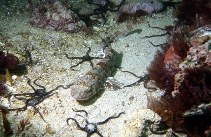
ການຖ່າຍທອດທາງກຳມະພັນຈາກພໍ່ແມ່ຫາລູກ: 0. Southeastern Cape form: sandy brown with 7 reddish-brown saddles bordered by black, and numerous small, dark brown and white spots between saddles; white below (Ref. 5578). Natal form: body cream in color with darker brown saddles and irregular white spots; white below (Ref. 5578).
Body shape (shape guide): elongated.
Found in inshore and offshore waters of the continental shelf, on sandy and rocky bottoms (Ref. 244). Feeds on bony fishes, crustaceans and cephalopods (Ref. 244). Oviparous (Ref. 50449). Caught by surf anglers (Ref. 244).
Oviparous, with 1 egg-case laid per oviduct (Ref. 244). Embryos feed solely on yolk (Ref. 50449).
Compagno, L.J.V., 1984. FAO Species Catalogue. Vol. 4. Sharks of the world. An annotated and illustrated catalogue of shark species known to date. Part 2 - Carcharhiniformes. FAO Fish. Synop. 125(4/2):251-655. Rome: FAO. (Ref. 244)
ສະຖານະພາບບັນຊີແດງຂອງ IUCN (Ref. 130435: Version 2025-2 (Global))
ໄພຂົ່ມຂູ່ຕໍ່ມະນຸດ
Harmless
ການນໍາໃຊ້ຂອງມະນຸດ
ການປະມົງ: ການປະມົງແບບກຸ້ມຕົນເອງ; ຊະນິດປາທີ່ຖືກນຳໃຊ້ເຂົ້າໃນການຫາເພື່ອເປັນເກມກິລາ: ແມ່ນ
ເຄື່ອງມື
ບົດລາຍງານພິເສດ
ດາວໂຫລດ XML
ແຫຼ່ງອີນເຕີເນັດ
ການຄາດຄະເນໂດຍອີງໃສ່ແບບຈໍາລອງ
ອຸນຫະພູມທີ່ຕ້ອງການ (ເອກະສານອ້າງອີງ
123201): 12.8 - 20.5, mean 16.3 °C (based on 24 cells).
ດັດຊະນີຄວາມຫຼາກຫຼາຍທາງຊີວະພາບ (ເອກະສານອ້າງອີງ
82804): PD
50 = 0.5625 [Uniqueness, from 0.5 = low to 2.0 = high].
Bayesian length-weight: a=0.00347 (0.00172 - 0.00698), b=3.08 (2.90 - 3.26), in cm total length, based on LWR estimates for this (Sub)family-body shape (Ref.
93245).
ຊັ້ນເຂດຮ້ອນ (ເອກະສານອ້າງອີງ
69278): 3.8 ±0.3 se; based on diet studies.
ຄວາມຢືດຢຸ່ນ (ເອກະສານອ້າງອີງ
120179): ຕຳ່ຫຼາຍ, ປະຊາກອນຕຳ່ສຸດທີ່ໃຊ້ເວລາສອງເທົ່າຫຼາຍກວ່າ 14 ປີ (Fec assumed to be <10).
ຄວາມສ່ຽງຕໍ່ການຫາປາ (Ref.
59153): Moderate vulnerability (44 of 100).
🛈
ທາດອາຫານ (Ref.
124155): Calcium = 29.5 [4.8, 158.9] mg/100g; Iron = 0.746 [0.202, 2.212] mg/100g; Protein = 18.4 [15.3, 21.4] %; Omega3 = 0.195 [0.086, 0.425] g/100g; Selenium = 20.3 [6.1, 57.3] μg/100g; VitaminA = 11.3 [4.0, 31.8] μg/100g; Zinc = 0.647 [0.307, 1.195] mg/100g (wet weight);