Taxonomic Remarks
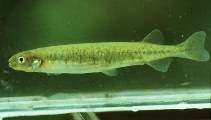
zzzAT STOCKS Galaxias maculatus has the most disjunct distribution of any freshwater species. This distribution is best explained by dispersal of whitebait larval stage throughout the sea (Berra et al. 1996). See McDowall (1971b) for a detailed description.
محیط زیست: محیط زیست / منطقه آب و هوایی / تغييرات عمق / محدوده توزیع
بوم شناسي
دريايي; آب شيرين; لب شور موجوداتی که در محدوده وسیعی از آبهای آزاد از نزدیک بستر و یا روی کف بستر، در قسمت های میان آبی تا سطح آب و در برخی گونه ها با قابلیت پرواز، زندگی و تغذیه می کنند.; دريا كوچ (Ref. 138269). Temperate; 10°C - 22°C (Ref. 2060); 27°S - 56°S, 112°W - 56°W
Oceania: Australia (including Tasmania), Lord Howe Island, New Zealand and the Chatham Islands. South America: Ranges from along the Chilean side of the Andes near Valparaiso to the southern extremity of the island chain southeast of Tierra del Fuego. Also on the eastern side of the Andes in Argentina in isolated lakes (Meliquina, Traful, Nahuel Huapi, Gutierrez, and Pellegrini) which drain into the Atlantic Ocean via the Negro River. It occurs on Falkland Islands.
اندازه / وزن / سن
بلوغ: Lm ? range ? - ? cm
Max length : 19.0 cm SL جنس نر / بدون خواص جنسي; (Ref. 44894); common length : 10.0 cm TL جنس نر / بدون خواص جنسي; (Ref. 5259)
خارهاي باله پشتي (کل) : 0; شعاع نرم باله پشتي (کل) : 10 - 12; خارهاي باله مخرجي: 0; شعاع نرم باله مخرجي: 15 - 17.
Body shape (shape guide): elongated.
Facultative air-breathing (Ref. 126274); Adults occur in a wide variety of habitat, but mostly in still or slow-flowing waters, mainly in streams, rivers and lakes within a short distance of the sea. They can survive in salinities up to 50 ppt. They feed on aquatic and terrestrial insects, and crustaceans. Adults typically migrate downstream into estuaries during high spring tides in autumn to spawn on fringing vegetation. Spawning does not occur beyond the river estuaries, making this species 'only marginally catadromous' (Ref. 46888). Many perish after spawning but some survive another year. Eggs develop out of water for two weeks and hatch upon the arrival of the next spring tide. Newly hatched larvae spend their first 5-6 months at sea before returning to fresh shoals of whitebait during spring. An important component of whitebait fisheries throughout the Southern Hemisphere (Ref. 44894). Utilized fresh and eaten fried (Ref. 9988, 44894).
For diadromous populations: deposit eggs on dense terrestrial vegetation that is flooded by the high tide. The eggs develop out of water in humid condition during the next 2 weeks. Hatching takes place when a second series of high tides again wash over the eggs. For landlocked population: fish migrate up to the tributary streams during floods. Deposit eggs on the flooded grassy banks and complete their development after the water level subsides. Hatching occurs during subsequent floods.
Allen, G.R., 1989. Freshwater fishes of Australia. T.F.H. Publications, Inc., Neptune City, New Jersey. (Ref. 5259)
وضعيت در فهرست قرمز IUCN (Ref. 130435: Version 2025-2 (Global))
خطر برای انسان ها
Harmless
استفاده انسانی
ماهي گيري – شيلات: تجاري; ماهي ها ي سرگرم كننده: بله; طعمه: usually
ابزارها
گزارش های ويژه
بارگيری XML
منابع اينترنتي
تخمینها بر اساس مدلها
شاخص تنوع فیلوژنتیکی (مرجع
82804): PD
50 = 0.5000 [Uniqueness, from 0.5 = low to 2.0 = high].
Bayesian length-weight: a=0.00501 (0.00243 - 0.01032), b=3.16 (2.97 - 3.35), in cm total length, based on LWR estimates for this species & (Sub)family-body (Ref.
93245).
سطح تروفیک (مرجع
69278): 3.2 ±0.2 se; based on diet studies.
جهندگی (مرجع
120179): متوسط, كمينه زمان لازم براي دو برابر شدن جمعيت 4/1 – 4/4 سال (Fec=175).
آسیبپذیری ماهیگیری (Ref.
59153): Low to moderate vulnerability (32 of 100).
🛈
مواد مغذی (Ref.
124155): Calcium = 54 [29, 145] mg/100g; Iron = 0.34 [0.18, 0.78] mg/100g; Protein = 14.9 [12.6, 17.1] %; Omega3 = 0.495 [0.193, 1.245] g/100g; Selenium = 7.4 [2.8, 17.1] μg/100g; VitaminA = 35.1 [10.5, 122.9] μg/100g; Zinc = 1.21 [0.76, 1.87] mg/100g (wet weight);