ການຈັດປະເພດ / ຊື່
ຊື່ສາມັນ | ຄຳສັບຄ້າຍຄືກັນ | Catalog of Fishes(ຕະກຸນ, ຊະນິດ) | ITIS | CoL | WoRMS | Cloffa
>
Gobiiformes (Gobies) >
Gobiidae (Gobies) > Gobiinae
Etymology: Bathygobius: Greek, bathys = deep + Latin, gobius = gudgeon (Ref. 45335); mero: Named after the MERO Foundation (Indonesian Marine Education and Research Organisation, Tulamben, Bali) for their generous sponsorship of this study; noun in apposition.
ສະພາບແວດລ້ອມ: ສະພາບແວດລ້ອມ / ເຂດດິນຟ້າອາກາດ / ລະດັບຄວາມເລິກ / ຂອບເຂດການແຈກຢາຍ
ນິເວດວິທະຍາ
ສັດທະເລ ອາໄສຢູ່ໃກ້ໜ້າດິນໃຕ້ພື້ນທ້ອງນ້ຳ; ລະດັບຄວາມເລິກ 9 - 30 m (Ref. 132436), usually ? - 15 m (Ref. 132436). Subtropical
Western Pacific: Indonesia, Australia and the Philippines.
ຂະໜາດ / ນ້ຳໜັກ / ອາຍຸ
ການຈະເລີນເຕັມໄວ: Lm ? range ? - ? cm
Max length : 3.6 cm SL ຕົວຜູ້/ບໍ່ມີເພດ; (Ref. 132436); 3.5 cm SL (female)
ຄຳອະທິບາຍສັ້ນໆ
ຕົວທີ່ໃຊ້ໃນການຈຳແນກຊະນິດ | ສະລີລະວິທະຍາ | ການວັດແທກຮູບຮ່າງລັກສະນະພາຍນອກຂອງດິນ,ສັດ,ປາ…
ຄີ (ໜາມ)ແຂງຢູ່ຫຼັງປາ (ທັງໝົດ) : 7; ຄີຫຼັງຂອງປາ (ຄີອ່ອນ) (ທັງໝົດ) : 9; ຄີ(ໜາມ) ແຂງຢູ່ຄີກົ້ນປາ
ກຸ່ມປາກະດູກແຂງ
ຄວາມຖີ່ຂອງກຸ່ມຖ່າຍທອດພັນ
ປາທີ່ມີການເຄື່ອນຍ້າຍຈາກທະເລໄປຫານ້ຳຈືດ ແລະນ້ຳຈືດຫາທະເລ
ປາທີ່ມີການເຄື່ອນຍ້າຍຈາກທະເລແລະໄປໄຂ່ຢູ່ນ້ຳຈືດ
ຄີກົ້ນຂອງປາ
ສັດທີ່ມີກະດູກສັນຫັຼງ
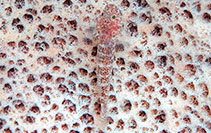
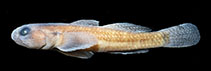
ການຖ່າຍທອດທາງກຳມະພັນຈາກພໍ່ແມ່ຫາລູກ: 1; ຄີກົ້ນຂອງປາ: 8; ສັດທີ່ມີກະດູກສັນຫຼັງ: 27. This species is distinguished by the following characters: D VI+I,9; A I,8; pectoral-fin rays 19–21 (usually 20); lateral scales 33 or 34; transverse scales backwards 11 or 12; median predorsal scales 2 or 3; absence of skin flaps on pores or anterior nasal tube; upper three rays of pectoral fin each with two free filamentous tips, upper branch of fourth ray with short, free tip; mental frenum possess a straight margin and short lateral lobes; cheek and operculum scales absent; pectoral-fin base, abdomen, and prepelvic region with embedded cycloid scales; cheek with a slight fold; pelvic interspinal membrane without a median lobe; tongue tip with a median notch. Colouration: when alive, overall pale greyish with a dense covering of reddish-brown freckles, with a brown spot about one-third of pupil size at uppermost part of gill opening, reddish-brown spotting on fins (Ref. 132436).
Cross section: compressed.
This species has a commensal association with the large barrel sponge (Xestospongia testudinaria), unlike other members of the genus, which are typically free-living bottom dwellers. The type specimens were found living on a single sponge in 18 m depth. Numerous other individuals were also observed at this location, and all were associated with barrel sponges, with up to about 20 individuals on a single sponge, at depths ranging from 9-30 m. The goby inhabits the outer surface of the sponge and not the hollow central cavity, and occupies the deep, convoluted ravines between the longitudinal ridges and was not seen in the shallower ravines of the sponge. It also inhabits deeper water, but usually below about 15 m compared with most Bathygobius, which are mainly confined to shallow water less than 10 m deep (Ref. 132436).
ວົງຈອນຊີວິດ ແລະພຶດຕິກໍາການຫາຄູ່
ການຈະເລີນເຕັມໄວ | ການສືບພັນ | ການວາງໄຂ່ | ໄຂ່ | ຄວາມດົກຂອງໄຂ່ປາ | ຕົວອ່ອນ
Allen, G.R., M.V. Erdmann and N.K. Ichida, 2024. A new sponge-dwelling goby (Gobiidae: Bathygobius) from Indonesia, Philippines, and Australia. J. Ocean Sci. Found. 41:46-53. (Ref. 132436)
ສະຖານະພາບບັນຊີແດງຂອງ IUCN (Ref. 130435: Version 2025-2 (Global))
ໄພຂົ່ມຂູ່ຕໍ່ມະນຸດ
Harmless
ການນໍາໃຊ້ຂອງມະນຸດ
ເຄື່ອງມື
ບົດລາຍງານພິເສດ
ດາວໂຫລດ XML
ແຫຼ່ງອີນເຕີເນັດ
ການຄາດຄະເນໂດຍອີງໃສ່ແບບຈໍາລອງ
ດັດຊະນີຄວາມຫຼາກຫຼາຍທາງຊີວະພາບ (ເອກະສານອ້າງອີງ
82804): PD
50 = 0.5000 [Uniqueness, from 0.5 = low to 2.0 = high].
Bayesian length-weight: a=0.00741 (0.00347 - 0.01582), b=3.09 (2.91 - 3.27), in cm total length, based on LWR estimates for this (Sub)family-body shape (Ref.
93245).
ຊັ້ນເຂດຮ້ອນ (ເອກະສານອ້າງອີງ
69278): 3.2 ±0.5 se; based on size and trophs of closest relatives
ຄວາມຢືດຢຸ່ນ (ເອກະສານອ້າງອີງ
120179): ສູງ, ປະຊາກອນຕຳ່ສຸດທີ່ໃຊ້ເວລາສອງໜ້ອຍກວ່າ 15 ເດືອນ (Preliminary K or Fecundity.).
ຄວາມສ່ຽງຕໍ່ການຫາປາ (Ref.
59153): Low vulnerability (10 of 100).
🛈