ການຈັດປະເພດ / ຊື່
ຊື່ສາມັນ | ຄຳສັບຄ້າຍຄືກັນ | Catalog of Fishes(ຕະກຸນ, ຊະນິດ) | ITIS | CoL | WoRMS | Cloffa
>
Siluriformes (Catfishes) >
Loricariidae (Armored catfishes) > Hypoptopomatinae
Etymology: Pareiorhina: Greek, pareia = jaw + Greek, rhinos = nose (Ref. 45335); hyptiorhachis: The specific name, hyptiorhachis, is derived from the Greek, hyptios meaning supine, lying on the back, and rhachis meaning ridge, midrib. This is in reference to the conspicuous postdorsal ridge found in this species.
ສະພາບແວດລ້ອມ: ສະພາບແວດລ້ອມ / ເຂດດິນຟ້າອາກາດ / ລະດັບຄວາມເລິກ / ຂອບເຂດການແຈກຢາຍ
ນິເວດວິທະຍາ
; ນ້ຳຈືດ ອາໄສຢູ່ໃກ້ໜ້າດິນໃຕ້ພື້ນທ້ອງນ້ຳ. Tropical
South America: Ribeirão F ernandes and Rio Pomba, Rio Paraíba do Sul basin, Brazil.
ຂະໜາດ / ນ້ຳໜັກ / ອາຍຸ
ການຈະເລີນເຕັມໄວ: Lm ? range ? - ? cm
Max length : 3.9 cm SL ຕົວຜູ້/ບໍ່ມີເພດ; (Ref. 93835)
ຄຳອະທິບາຍສັ້ນໆ
ຕົວທີ່ໃຊ້ໃນການຈຳແນກຊະນິດ | ສະລີລະວິທະຍາ | ການວັດແທກຮູບຮ່າງລັກສະນະພາຍນອກຂອງດິນ,ສັດ,ປາ…
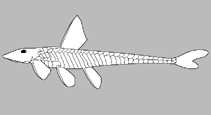
ຄີຫຼັງຂອງປາ (ຄີອ່ອນ) (ທັງໝົດ) : 9; ຄີກົ້ນຂອງປາ: 6; ສັດທີ່ມີກະດູກສັນຫຼັງ: 29. This species can be diagnosed from its congeners, except Pareiorhina carrancas, by having a postdorsal ridge (vs. the absence). It can be distinguished from P. carrancas by having a more elevated postdorsal ridge, 6.7-26.8% of CP depth (vs. 4.47-9.03%). It can be further distinguished from P. cepta by having a naked abdomen (vs. having small plates covered with odontodes irregularly distributed on the abdomen); from P. brachyrhyncha and P. cepta by having unicuspid teeth (vs. teeth with a minute lateral cusp); from P. carrancas and P. rudolphi by having the anterior profile of the head rounded in dorsal view (vs. elliptical) and by having a greater suborbital depth (35.0-40.5% of HL vs. 27.4-34.2% in P. carrancas and 24.5-31.8% in P. rudolphi). This species further differs from its congeners by having head width 100.1-108.6% of HL (vs. 91.7-98.1% in P. brachyrhyncha, 82.9-96.2% in P. carrancas, 83.4-90.5% in P. cepta and 77.8-82.1% in P. rudolphi) (Ref. 93835).
Found in moderate to fast-flowing streams, with a substrate of rocks and sand and margins covered by aquatic vegetation. Occurs in association with loose stones, on the streambed. Syntopic throughout its distributional range with Astyanax sp., Characidium sp., Geophagus brasiliensis, Harttia cf. carvalhoi, Imparfinis sp., Neoplecostomus microps, Trichomycterus cf. alternatus, and Trichomycterus sp. (Ref. 93835).
ວົງຈອນຊີວິດ ແລະພຶດຕິກໍາການຫາຄູ່
ການຈະເລີນເຕັມໄວ | ການສືບພັນ | ການວາງໄຂ່ | ໄຂ່ | ຄວາມດົກຂອງໄຂ່ປາ | ຕົວອ່ອນ
Silva, G.S.C., F.F. Roxo and C. Oliveira, 2013. Pareiorhina hyptiorhachis, a new catfish species from Rio Paraíba do Sul basin, southeastern Brazil(Siluriformes, Loricariidae). ZooKeys 315:65-76. (Ref. 93835)
ສະຖານະພາບບັນຊີແດງຂອງ IUCN (Ref. 130435: Version 2025-2 (Global))
ໄພຂົ່ມຂູ່ຕໍ່ມະນຸດ
Harmless
ການນໍາໃຊ້ຂອງມະນຸດ
ການປະມົງ: ທີ່ບໍ່ມີຄວາມສົນໃຈ
ເຄື່ອງມື
ບົດລາຍງານພິເສດ
ດາວໂຫລດ XML
ແຫຼ່ງອີນເຕີເນັດ
ການຄາດຄະເນໂດຍອີງໃສ່ແບບຈໍາລອງ
ດັດຊະນີຄວາມຫຼາກຫຼາຍທາງຊີວະພາບ (ເອກະສານອ້າງອີງ
82804): PD
50 = 0.5078 [Uniqueness, from 0.5 = low to 2.0 = high].
Bayesian length-weight: a=0.00977 (0.00434 - 0.02202), b=3.06 (2.87 - 3.25), in cm total length, based on LWR estimates for this (Sub)family-body shape (Ref.
93245).
ຄວາມຢືດຢຸ່ນ (ເອກະສານອ້າງອີງ
120179): ສູງ, ປະຊາກອນຕຳ່ສຸດທີ່ໃຊ້ເວລາສອງໜ້ອຍກວ່າ 15 ເດືອນ (Preliminary K or Fecundity.).
ຄວາມສ່ຽງຕໍ່ການຫາປາ (Ref.
59153): Low vulnerability (10 of 100).
🛈