ກຸ່ມປາກະດູກອ່ອນ (ເຊັ່ນ: ປາສະຫລາມ, ປາຜາໄລ) (sharks and rays) >
Squaliformes (Sleeper and dogfish sharks) >
Somniosidae (Sleeper sharks)
Etymology: Centroscymnus: centr[um] (L.), prickle or sharp point, referring to spines on both dorsal fins; scymnus, an ancient name for some kind of shark, derived from a Greek word meaning young animal, cub or whelp (See ETYFish); owstonii: In honor of Alan Owston (1853-1915), English businessman, yachtsman, and collector of Asian wildlife, who obtained holotype (See ETYFish).
Eponymy: Alan Owston (1853–1915) was an English businessman who was a collector of Asian wildlife, as well as a yachtsman. [...] (Ref. 128868), visit book page.
More on author: Garman.
ສະພາບແວດລ້ອມ: ສະພາບແວດລ້ອມ / ເຂດດິນຟ້າອາກາດ / ລະດັບຄວາມເລິກ / ຂອບເຂດການແຈກຢາຍ
ນິເວດວິທະຍາ
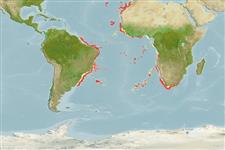
ສັດທະເລ ກ່ຽວກັບ(ຢູ່)ຊັ້ນນ້ຳໃນທະເລທີ່ເໜີອພື້ນດິນ; ລະດັບຄວາມເລິກ 100 - 1500 m (Ref. 26346). Deep-water; 33°N - 38°S, 52°W - 30°E
Atlantic, Pacific and Indian oceans. Western Indian Ocean: from off the Seychelles to the Madagascar Ridge and South Africa. Eastern Indian Ocean off Indonesia and southwestern Australia. Southwestern Pacific: off Australia, New Caledonia and New Zealand. Northwestern Pacific: off Japan and from the Hawaiian-Emperor seamount chain. Southeastern Pacific: west of Chile. Southwestern Atlantic: off French Guiana, Brazil, and Uruguay. Northwestern Atlantic: Gulf of Mexico. Eastern Atlantic: from off the Azores in the North to off South Africa in the south.
ຄວາມຍາວໃນການເຕີບໂຕເຕັມຄັ້ງທໍາອິດ / ຂະໜາດ / ນ້ຳໜັກ / ອາຍຸ
ການຈະເລີນເຕັມໄວ: Lm ?, range 100 - 104 cm
Max length : 148 cm TL ຕົວຜູ້/ບໍ່ມີເພດ; (Ref. 122636); ນ້ຳໜັກສູງສຸດທີ່ເຄຍຈັດພີມມາ: 21.3 kg (Ref. 122636)
ຄີ(ໜາມ) ແຂງຢູ່ຄີກົ້ນປາ
ກຸ່ມປາກະດູກແຂງ
ຄວາມຖີ່ຂອງກຸ່ມຖ່າຍທອດພັນ
ປາທີ່ມີການເຄື່ອນຍ້າຍຈາກທະເລໄປຫານ້ຳຈືດ ແລະນ້ຳຈືດຫາທະເລ
ປາທີ່ມີການເຄື່ອນຍ້າຍຈາກທະເລແລະໄປໄຂ່ຢູ່ນ້ຳຈືດ
ຄີກົ້ນຂອງປາ
ສັດທີ່ມີກະດູກສັນຫັຼງ
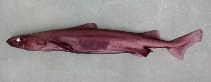
ການຖ່າຍທອດທາງກຳມະພັນຈາກພໍ່ແມ່ຫາລູກ: 0. Dark brown or black in color, dorsal fins with extreme tips of fin spines protruding from the fins, moderately long snout, lanceolate upper teeth and bladelike lower teeth with short, oblique cusps, fairly stocky body that does not taper abruptly from pectoral region, large lateral trunk denticles with mostly smooth, circular, cuspidate and acuspidate crowns in adults and subadults (Ref. 247).
Body shape (shape guide): elongated.
Found on upper continental slopes, on or near the bottom (Ref. 247). Feeds on fish and cephalopods (Ref. 6871). Ovoviviparous (Ref. 205), with 16- 28 young born at 27-30 cm (Ref. 26346). Caught in trawls or longlines set at depths greater than 400 m (Ref. 55584). Flesh is high in mercury (Ref. 6871). Utilized as fishmeal and source of squalene (liver oil) (Ref. 6871). Maximum depth from Ref. 55584.
Ovoviviparous (Ref. 6871). 16- 28 young born at 27-30 cm (Ref. 26346). Distinct pairing with embrace (Ref. 205).
Compagno, L.J.V., 1984. FAO Species Catalogue. Vol. 4. Sharks of the world. An annotated and illustrated catalogue of shark species known to date. Part 1 - Hexanchiformes to Lamniformes. FAO Fish. Synop. 125(4/1):1-249. Rome, FAO. (Ref. 247)
ສະຖານະພາບບັນຊີແດງຂອງ IUCN (Ref. 130435: Version 2025-2 (Global))
ໄພຂົ່ມຂູ່ຕໍ່ມະນຸດ
Poisonous to eat (Ref. 6871)
ການນໍາໃຊ້ຂອງມະນຸດ
ການປະມົງ: ທີ່ເປັນການຄ້າໜ້ອຍ
ເຄື່ອງມື
ບົດລາຍງານພິເສດ
ດາວໂຫລດ XML
ແຫຼ່ງອີນເຕີເນັດ
ການຄາດຄະເນໂດຍອີງໃສ່ແບບຈໍາລອງ
ອຸນຫະພູມທີ່ຕ້ອງການ (ເອກະສານອ້າງອີງ
123201): 4.9 - 10.9, mean 6.4 °C (based on 66 cells).
ດັດຊະນີຄວາມຫຼາກຫຼາຍທາງຊີວະພາບ (ເອກະສານອ້າງອີງ
82804): PD
50 = 0.7500 [Uniqueness, from 0.5 = low to 2.0 = high].
Bayesian length-weight: a=0.00363 (0.00289 - 0.00456), b=3.11 (3.04 - 3.18), in cm total length, based on LWR estimates for this species (Ref.
93245).
ຊັ້ນເຂດຮ້ອນ (ເອກະສານອ້າງອີງ
69278): 4.5 ±0.62 se; based on food items.
ຄວາມຢືດຢຸ່ນ (ເອກະສານອ້າງອີງ
120179): ຕຳ່, ປະຊາກອນຕຳ່ສຸດທີ່ໃຊ້ເວລາສອງເທົ່າ 4.5 - 14 ປີ (Fec=16-28).
ຄວາມສ່ຽງຕໍ່ການຫາປາ (Ref.
59153): Very high vulnerability (89 of 100).
🛈
ຄວາມສ່ຽງດ້ານສະພາບອາກາດ (Ref.
125649): Moderate vulnerability (38 of 100).
🛈