ການຈັດປະເພດ / ຊື່
ຊື່ສາມັນ | ຄຳສັບຄ້າຍຄືກັນ | Catalog of Fishes(ຕະກຸນ, ຊະນິດ) | ITIS | CoL | WoRMS | Cloffa
>
Gymnotiformes (Knifefishes) >
Rhamphichthyidae (Sand knifefishes)
Etymology: Gymnorhamphichthys: Greek, gymnos = naked + Greek. Rhamphos = beak, bill + Greek, ichthys = fish (Ref. 45335).
Eponymy: Dr Heraldo Antonio Britski is a Brazilian ichthyologist who was awarded a bachelor’s degree (1960) and a doctorate (1973) by Universidade de São Paulo where he is still a researcher, even though he is officially retired. [...] (Ref. 128868), visit book page.
ສະພາບແວດລ້ອມ: ສະພາບແວດລ້ອມ / ເຂດດິນຟ້າອາກາດ / ລະດັບຄວາມເລິກ / ຂອບເຂດການແຈກຢາຍ
ນິເວດວິທະຍາ
; ນ້ຳຈືດ ກ່ຽວກັບ (ຢູ່)ເທິງຊັ້ນພື້ນດິນໃນທະເລເປີດ. Tropical
South America: Paraguay. Gymnorhamphichthys britskii is known from tributaries of the Rio de La Plata system. It is known from the upper and lower Paraguay (Neris et al., 2010) basins in Paraguay and Brazil, and the lower Parana´ basin in Paraguay, Brazil, and Argentina (no records from Uruguay basin). The presence of this species in the Upper Parana was likely caused by the formation of the Itaipu reservoir, which allowed dispersal into upstream portions of the Parana through the former Sete Quedas waterfalls (Ref. 87956)
ຂະໜາດ / ນ້ຳໜັກ / ອາຍຸ
ການຈະເລີນເຕັມໄວ: Lm ? range ? - ? cm
Max length : 18.0 cm SL ຕົວຜູ້/ບໍ່ມີເພດ; (Ref. 87956)
ຄຳອະທິບາຍສັ້ນໆ
ຕົວທີ່ໃຊ້ໃນການຈຳແນກຊະນິດ | ສະລີລະວິທະຍາ | ການວັດແທກຮູບຮ່າງລັກສະນະພາຍນອກຂອງດິນ,ສັດ,ປາ…
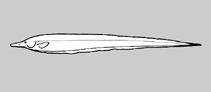
This species is distinguished from its congeners except G. hypostomus in having 5-16 (usually 9-13) large dark saddle-shaped pigment bars over the dorsal midline, extending between the nape and a vertical with the end of the anal fin, and sometimes reaching to or slightly below the lateral line; differs from G. hypostomus in having 141-172 (vs. 178-211) anal-fin rays; a shorter snout, preorbital distance 48.1-60.3% of head length (mean 54.6%) (vs. 58.3-68.6%, mean 63.9%); a larger eye, with diameter 5.7-9.0% of head length (mean 7.0%) (vs. 3.3-5.9%, mean 4.3%); a longer distance from tip of snout to posterior nares, 17.1-22.0% of head length (mean19.2%) (vs. 11.2-17.1%, mean 13.8%); 7 (vs. 9-13) displaced hemal spines; and 64-69 (vs. 71-75) vertebrae to end of anal fin (Ref. 87956).
ວົງຈອນຊີວິດ ແລະພຶດຕິກໍາການຫາຄູ່
ການຈະເລີນເຕັມໄວ | ການສືບພັນ | ການວາງໄຂ່ | ໄຂ່ | ຄວາມດົກຂອງໄຂ່ປາ | ຕົວອ່ອນ
Carvalho, T.P., Ramos, C.S. and J.S. Albert, 2011. A new species of Gymnorhamphichthys (Gymnotiformes: Rhamphichthyidae) from the Paraná-Paraguay Basin. Copeia 2011(3):400-406. (Ref. 87956)
ສະຖານະພາບບັນຊີແດງຂອງ IUCN (Ref. 130435: Version 2025-2 (Global))
ໄພຂົ່ມຂູ່ຕໍ່ມະນຸດ
Harmless
ການນໍາໃຊ້ຂອງມະນຸດ
ເຄື່ອງມື
ບົດລາຍງານພິເສດ
ດາວໂຫລດ XML
ແຫຼ່ງອີນເຕີເນັດ
ການຄາດຄະເນໂດຍອີງໃສ່ແບບຈໍາລອງ
ດັດຊະນີຄວາມຫຼາກຫຼາຍທາງຊີວະພາບ (ເອກະສານອ້າງອີງ
82804): PD
50 = 0.5156 [Uniqueness, from 0.5 = low to 2.0 = high].
Bayesian length-weight: a=0.00269 (0.00105 - 0.00688), b=3.07 (2.85 - 3.29), in cm total length, based on LWR estimates for this (Sub)family-body shape (Ref.
93245).
ຊັ້ນເຂດຮ້ອນ (ເອກະສານອ້າງອີງ
69278): 3.2 ±0.4 se; based on size and trophs of closest relatives
ຄວາມສ່ຽງຕໍ່ການຫາປາ (Ref.
59153): Low vulnerability (12 of 100).
🛈