ກຸ່ມປາກະດູກອ່ອນ (ເຊັ່ນ: ປາສະຫລາມ, ປາຜາໄລ) (sharks and rays) >
Squaliformes (Sleeper and dogfish sharks) >
Etmopteridae (Lantern sharks)
Etymology: Centroscyllium: Greek, kentron = sting + Greek, skylla = a kind of shark (Ref. 45335).
Eponymy: Bishop Otto Fabricius (1744–1822) was a Danish missionary, explorer and naturalist in Greenland (1768–1773). [...] (Ref. 128868), visit book page.
ສະພາບແວດລ້ອມ: ສະພາບແວດລ້ອມ / ເຂດດິນຟ້າອາກາດ / ລະດັບຄວາມເລິກ / ຂອບເຂດການແຈກຢາຍ
ນິເວດວິທະຍາ
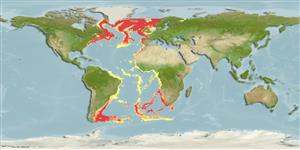
ສັດທະເລ ກ່ຽວກັບ(ຢູ່)ຊັ້ນນ້ຳໃນທະເລທີ່ເໜີອພື້ນດິນ, usually 180 - 2250 m (Ref. 117245). Deep-water; 1°C - 5°C (Ref. 117245); 68°N - 57°S, 99°W - 120°E (Ref. 55215)
Northwest Atlantic: South Baffin Island and Greenland to Virginia, USA and possibly the Gulf of Mexico. Eastern Atlantic: Iceland along Atlantic slope to Senegal; Guinea to Sierra Leone; Namibia to Quoin Point, South Africa (Ref. 5578). Southwest Atlantic: Uruguay to Argentina (Ref. 58839).
ຄວາມຍາວໃນການເຕີບໂຕເຕັມຄັ້ງທໍາອິດ / ຂະໜາດ / ນ້ຳໜັກ / ອາຍຸ
ການຈະເລີນເຕັມໄວ: Lm 64.0, range 58 - 70 cm
Max length : 107 cm TL ຕົວຜູ້/ບໍ່ມີເພດ; (Ref. ); common length : 84.0 cm TL ຕົວຜູ້/ບໍ່ມີເພດ; (Ref. 247); common length :70 cm TL (female)
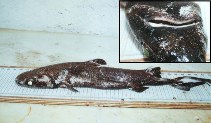
Adults uniformly blackish; fins of juveniles with white margins (Ref. 6577).
Body shape (shape guide): elongated.
Found on the outermost continental shelves and upper slopes, mostly below 275 m (Ref. 247). Epibenthic-pelagic (Ref. 58426). At high latitudes, may move up to the surface especially during the winter (Ref. 247). Bottom water temp. Are from 3.5 to 4.5°C, but sometimes down to 1°C. Segregation by sex and size as well as by movement into shallower water and by increase in school size is sometimes seen. Feeds on crustaceans, cephalopods, jellyfish and small fishes. Ovoviviparous (Ref. 205), with at least 14 pups in a litter (Ref. 247). Has luminescent organs in skin. May reach 107 cm.
Distinct pairing with embrace (Ref. 205).
Compagno, L.J.V., 1984. FAO Species Catalogue. Vol. 4. Sharks of the world. An annotated and illustrated catalogue of shark species known to date. Part 1 - Hexanchiformes to Lamniformes. FAO Fish. Synop. 125(4/1):1-249. Rome, FAO. (Ref. 247)
ສະຖານະພາບບັນຊີແດງຂອງ IUCN (Ref. 130435: Version 2025-2 (Global))
ໄພຂົ່ມຂູ່ຕໍ່ມະນຸດ
Harmless
ການນໍາໃຊ້ຂອງມະນຸດ
ການປະມົງ: ການປະມົງແບບກຸ້ມຕົນເອງ
ເຄື່ອງມື
ບົດລາຍງານພິເສດ
ດາວໂຫລດ XML
ແຫຼ່ງອີນເຕີເນັດ
ການຄາດຄະເນໂດຍອີງໃສ່ແບບຈໍາລອງ
ອຸນຫະພູມທີ່ຕ້ອງການ (ເອກະສານອ້າງອີງ
123201): 1.6 - 9.9, mean 4.2 °C (based on 219 cells).
ດັດຊະນີຄວາມຫຼາກຫຼາຍທາງຊີວະພາບ (ເອກະສານອ້າງອີງ
82804): PD
50 = 0.5078 [Uniqueness, from 0.5 = low to 2.0 = high].
Bayesian length-weight: a=0.00295 (0.00163 - 0.00535), b=3.07 (2.90 - 3.24), in cm total length, based on LWR estimates for this species & (Sub)family-body (Ref.
93245).
ຊັ້ນເຂດຮ້ອນ (ເອກະສານອ້າງອີງ
69278): 3.8 ±0.3 se; based on diet studies.
ຄວາມຢືດຢຸ່ນ (ເອກະສານອ້າງອີງ
120179): ຕຳ່, ປະຊາກອນຕຳ່ສຸດທີ່ໃຊ້ເວລາສອງເທົ່າ 4.5 - 14 ປີ (Fec=14).
ຄວາມສ່ຽງຕໍ່ການຫາປາ (Ref.
59153): High vulnerability (64 of 100).
🛈
ຄວາມສ່ຽງດ້ານສະພາບອາກາດ (Ref.
125649): Moderate vulnerability (38 of 100).
🛈
ທາດອາຫານ (Ref.
124155): Calcium = 6.51 [1.15, 36.11] mg/100g; Iron = 0.304 [0.072, 1.034] mg/100g; Protein = 17.9 [15.9, 20.6] %; Omega3 = 0.262 [0.092, 0.828] g/100g; Selenium = 17.1 [4.9, 53.5] μg/100g; VitaminA = 13.3 [2.5, 68.9] μg/100g; Zinc = 0.352 [0.164, 0.692] mg/100g (wet weight); based on
nutrient studies.