ກຸ່ມປາກະດູກອ່ອນ (ເຊັ່ນ: ປາສະຫລາມ, ປາຜາໄລ) (sharks and rays) >
Echinorhiniformes (Bramble sharks) >
Echinorhinidae (Bramble sharks)
Etymology: Echinorhinus: echinos (Gr.), spiny or sea urchin, referring to thorn-like denticles (brambles) on body; rhinus, an ancient name for sharks, from rhine (Gr.), rasp, alluding to a shark’s jagged, rasp-like skin (See ETYFish); brucus: Latin for caterpillar, presumably referring to “Chenille” or “Chenille de mer” (Sea Caterpillar), local names for this shark along the Atlantic Coast of France (type locality) in the 18th century (See ETYFish).
More on author: Bonnaterre.
ສະພາບແວດລ້ອມ: ສະພາບແວດລ້ອມ / ເຂດດິນຟ້າອາກາດ / ລະດັບຄວາມເລິກ / ຂອບເຂດການແຈກຢາຍ
ນິເວດວິທະຍາ
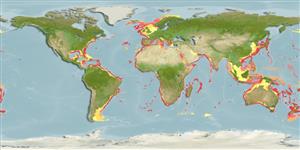
ສັດທະເລ ກ່ຽວກັບ(ຢູ່)ຊັ້ນນ້ຳໃນທະເລທີ່ເໜີອພື້ນດິນ; ລະດັບຄວາມເລິກ 10 - 900 m (Ref. 27121), usually 350 - 900 m (Ref. 45445). Deep-water; 72°N - 55°S, 98°W - 173°W (Ref. 54427)
Atlantic, the Mediterranean Sea, Indian and western Pacific Oceans. Apparently absent in the Eastern Pacific (Ref. 6578).
ຄວາມຍາວໃນການເຕີບໂຕເຕັມຄັ້ງທໍາອິດ / ຂະໜາດ / ນ້ຳໜັກ / ອາຍຸ
ການຈະເລີນເຕັມໄວ: Lm ?, range 200 - ? cm
Max length : 310 cm TL ຕົວຜູ້/ບໍ່ມີເພດ; (Ref. 247); common length : 200 cm TL ຕົວຜູ້/ບໍ່ມີເພດ; (Ref. 26999)
ຄີ (ໜາມ)ແຂງຢູ່ຫຼັງປາ (ທັງໝົດ) : 0; ຄີ(ໜາມ) ແຂງຢູ່ຄີກົ້ນປາ
ກຸ່ມປາກະດູກແຂງ
ຄວາມຖີ່ຂອງກຸ່ມຖ່າຍທອດພັນ
ປາທີ່ມີການເຄື່ອນຍ້າຍຈາກທະເລໄປຫານ້ຳຈືດ ແລະນ້ຳຈືດຫາທະເລ
ປາທີ່ມີການເຄື່ອນຍ້າຍຈາກທະເລແລະໄປໄຂ່ຢູ່ນ້ຳຈືດ
ຄີກົ້ນຂອງປາ
ສັດທີ່ມີກະດູກສັນຫັຼງ
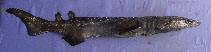
ການຖ່າຍທອດທາງກຳມະພັນຈາກພໍ່ແມ່ຫາລູກ: 0. The bramble shark Echinorhinus brucus has thorn-like denticles on body which are very large (single denticles up to about 15mm in basal diameter in adults), sparse irregularly distributed and thorn-like with smooth basal margins, some bases fused into compound plates. Dorsal surface dark purplish-grey to brown with white denticles, ventral surface paler; sides and back may have dark spots. Tooth count 20-26/21-26.As with the other member of the family Echinorhinidae, it has a relatively short snout and stout body; two small spineless dorsal fins, close together, towards posterior part of body and originating behind pelvic fin origin. No anal fin and subterminal notch on caudal fin. Small spiracles, very short labial furrows and teeth on both jaws alike, with a central oblique bladelike cusps with up to 3 cusplets on each side (absent in juveniles) (Ref. 247, 6871, 5578).
Body shape (shape guide): elongated.
A rare (Ref. 26346), large, sluggish, deepwater shark found on continental and insular shelves and upper slopes (Ref. 247). Sometimes found in shallow water (Ref. 247). Feeds on smaller sharks, bony fishes, and crabs (Ref. 247). Ovoviviparous (Ref. 205), with 15-26 young in a litter (26346). Never recorded as attacking people. Sometimes hooked by shore anglers (Ref. 5578). Processed into fishmeal. May be used in traditional medicine in southern Africa (Ref. 5578).
Ovoviviparous. 15 to 26 young in a litter (Ref. 26346). Size at birth between 29 and 90 cm. Distinct pairing with embrace (Ref. 205). Size at maturity unknown but adult males of 150 cm and adult females of 213 cm have been reported (Ref. 6871).
Compagno, L.J.V., 1984. FAO Species Catalogue. Vol. 4. Sharks of the world. An annotated and illustrated catalogue of shark species known to date. Part 1 - Hexanchiformes to Lamniformes. FAO Fish. Synop. 125(4/1):1-249. Rome, FAO. (Ref. 247)
ສະຖານະພາບບັນຊີແດງຂອງ IUCN (Ref. 130435: Version 2025-2 (Global))
ການນໍາໃຊ້ຂອງມະນຸດ
ການປະມົງ: ທີ່ເປັນການຄ້າໜ້ອຍ; ຊະນິດປາທີ່ຖືກນຳໃຊ້ເຂົ້າໃນການຫາເພື່ອເປັນເກມກິລາ: ແມ່ນ
ເຄື່ອງມື
ບົດລາຍງານພິເສດ
ດາວໂຫລດ XML
ແຫຼ່ງອີນເຕີເນັດ
ການຄາດຄະເນໂດຍອີງໃສ່ແບບຈໍາລອງ
ອຸນຫະພູມທີ່ຕ້ອງການ (ເອກະສານອ້າງອີງ
123201): 4.1 - 13.9, mean 8.5 °C (based on 1524 cells).
ດັດຊະນີຄວາມຫຼາກຫຼາຍທາງຊີວະພາບ (ເອກະສານອ້າງອີງ
82804): PD
50 = 1.2500 [Uniqueness, from 0.5 = low to 2.0 = high].
Bayesian length-weight: a=0.00363 (0.00138 - 0.00954), b=3.13 (2.90 - 3.36), in cm total length, based on LWR estimates for this (Sub)family-body shape (Ref.
93245).
ຊັ້ນເຂດຮ້ອນ (ເອກະສານອ້າງອີງ
69278): 4.4 ±0.7 se; based on diet studies.
ຄວາມຢືດຢຸ່ນ (ເອກະສານອ້າງອີງ
120179): ຕຳ່ຫຼາຍ, ປະຊາກອນຕຳ່ສຸດທີ່ໃຊ້ເວລາສອງເທົ່າຫຼາຍກວ່າ 14 ປີ (Fec= 15-24).
ຄວາມສ່ຽງຕໍ່ການຫາປາ (Ref.
59153): Very high vulnerability (90 of 100).
🛈
ຄວາມສ່ຽງດ້ານສະພາບອາກາດ (Ref.
125649): Moderate vulnerability (38 of 100).
🛈