ກຸ່ມປາທະເລຊະນິດໜຶ່ງທີ່ມີລຳຕົວຍາວຄືອ່ຽນ ແລະບໍ່ມີກະດູກຄາງກະໄຕປາກແຕ່ຈະມີກຸ່ມແຂ້ວເປັນແຜ່ນອ້ອມຮອບປາກ (ຕົວຢ່າງປາ ແຮກຟິດ) (hagfishes) >
Myxiniformes (Hagfishes) >
Myxinidae (Hagfishes) > Eptatretinae
Etymology: Eptatretus: hepta (Gr.), seven; tretos (Gr.), perforated (i.e., with holes), referring to seven gill apertures on what would later be described as Homea banksii (=E. cirrhatus) [range within genus is 6-14 pairs of gill apertures] (See ETYFish); mccoskeri: In honor of American ichthyologist John E. McCosker (b. 1945), California Academy of Sciences, for collecting holotype and for his important contributions to marine biology (See ETYFish).
Eponymy: Dr John Edward McCosker (d: 1945) is an ichthyologist and evolutionary biologist who is Senior Scientist and first Professor of Aquatic Research at California Academy of Sciences, San Francisco. [...] (Ref. 128868), visit book page.
ສະພາບແວດລ້ອມ: ສະພາບແວດລ້ອມ / ເຂດດິນຟ້າອາກາດ / ລະດັບຄວາມເລິກ / ຂອບເຂດການແຈກຢາຍ
ນິເວດວິທະຍາ
ສັດທະເລ ອາໄສຢູ່ໃກ້ໜ້າດິນໃຕ້ພື້ນທ້ອງນ້ຳ; ບໍ່ມີການເຄື່ອນຍ້າຍ; ລະດັບຄວາມເລິກ 155 - 215 m (Ref. 31788). Deep-water
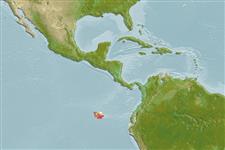
Southeast Pacific: Galapagos Islands.
ຂະໜາດ / ນ້ຳໜັກ / ອາຍຸ
ການຈະເລີນເຕັມໄວ: Lm ? range ? - ? cm
Max length : 32.0 cm TL ຕົວຜູ້/ບໍ່ມີເພດ; (Ref. 31788)
ຄຳອະທິບາຍສັ້ນໆ
ຕົວທີ່ໃຊ້ໃນການຈຳແນກຊະນິດ | ສະລີລະວິທະຍາ | ການວັດແທກຮູບຮ່າງລັກສະນະພາຍນອກຂອງດິນ,ສັດ,ປາ…
This species is distinguished from its congeners, except Eptatretus poicilus by the following characters: gill apertures 8 pairs (7 in one specimen), well-spaced and arranged in a near straight line; a 3/3 multicusp pattern of teeth; differs from Eptatretus poicilus by its number of trunk pores 38-43 (vs. 45-50), by the number of total pores 69-75 (vs. 78-86) and by its colour pattern, with body purple to purplish brown (vs. body strongly mottled with pale brown, dark brown and white-beige) (Ref. 123790).
Body shape (shape guide): eel-like; Cross section: oval.
ວົງຈອນຊີວິດ ແລະພຶດຕິກໍາການຫາຄູ່
ການຈະເລີນເຕັມໄວ | ການສືບພັນ | ການວາງໄຂ່ | ໄຂ່ | ຄວາມດົກຂອງໄຂ່ປາ | ຕົວອ່ອນ
Copulatory organ absent. The gonads of hagfishes are situated in the peritoneal cavity. The ovary is found in the anterior portion of the gonad, and the testis is found in the posterior part. The animal becomes female if the cranial part of the gonad develops or male if the caudal part undergoes differentiation. If none develops, then the animal becomes sterile. If both anterior and posterior parts develop, then the animal becomes a functional hermaphrodite. However, hermaphroditism being characterised as functional needs to be validated by more reproduction studies (Ref. 51361 ).
McMillan, C.B., 1999. Three new species of hagfish (Myxinidae, Eptatretus) from the Galápagos Islands. Fish. Bull. 97:110-117. (Ref. 31788)
ສະຖານະພາບບັນຊີແດງຂອງ IUCN (Ref. 130435: Version 2025-2 (Global))
ໄພຂົ່ມຂູ່ຕໍ່ມະນຸດ
Harmless
ການນໍາໃຊ້ຂອງມະນຸດ
ການປະມົງ: ທີ່ບໍ່ມີຄວາມສົນໃຈ
ເຄື່ອງມື
ບົດລາຍງານພິເສດ
ດາວໂຫລດ XML
ແຫຼ່ງອີນເຕີເນັດ
ການຄາດຄະເນໂດຍອີງໃສ່ແບບຈໍາລອງ
ອຸນຫະພູມທີ່ຕ້ອງການ (ເອກະສານອ້າງອີງ
123201): 8.2 - 14.7, mean 9.6 °C (based on 7 cells).
ດັດຊະນີຄວາມຫຼາກຫຼາຍທາງຊີວະພາບ (ເອກະສານອ້າງອີງ
82804): PD
50 = 0.5000 [Uniqueness, from 0.5 = low to 2.0 = high].
Bayesian length-weight: a=0.00204 (0.00094 - 0.00444), b=2.92 (2.72 - 3.12), in cm total length, based on LWR estimates for this (Sub)family-body shape (Ref.
93245).
ຊັ້ນເຂດຮ້ອນ (ເອກະສານອ້າງອີງ
69278): 4.0 ±0.7 se; based on size and trophs of closest relatives
ຄວາມຢືດຢຸ່ນ (ເອກະສານອ້າງອີງ
120179): ຕຳ່, ປະຊາກອນຕຳ່ສຸດທີ່ໃຊ້ເວລາສອງເທົ່າ 4.5 - 14 ປີ (Fec assumed to be <100).
ຄວາມສ່ຽງຕໍ່ການຫາປາ (Ref.
59153): Low vulnerability (22 of 100).
🛈