ສະພາບແວດລ້ອມ: ສະພາບແວດລ້ອມ / ເຂດດິນຟ້າອາກາດ / ລະດັບຄວາມເລິກ / ຂອບເຂດການແຈກຢາຍ
ນິເວດວິທະຍາ
ສັດທະເລ; ນ້ຳກ່ອຍ pelagic-neritic; ລະດັບຄວາມເລິກ 0 - 50 m (Ref. 82332). Tropical; 31°N - 25°S, 30°E - 172°W (Ref. 189)
Indo-Pacific: widespread in Indian Ocean, including Red Sea, coasts of East Africa to Madagascar and Mauritius, Sri Lanka and Andaman Islands, but no Indian specimens known (Ref. 189); and in western central Pacific, including Indonesia, the Philippines, Papua New Guinea, northern and eastern coasts of Australia, and eastward to Tonga (Ref. 189). No records are known from South China Sea or to the north, but the Ogasawara, Bonin Islands, record seems reliable (Ref. 189). Its occurrence in Thailand (Ref. 1632) needs confirmation.
ຂະໜາດ / ນ້ຳໜັກ / ອາຍຸ
ການຈະເລີນເຕັມໄວ: Lm ? range ? - ? cm
Max length : 16.0 cm SL ຕົວຜູ້/ບໍ່ມີເພດ; (Ref. 54980); common length : 10.0 cm TL ຕົວຜູ້/ບໍ່ມີເພດ; (Ref. 5450)
ຄີ (ໜາມ)ແຂງຢູ່ຫຼັງປາ (ທັງໝົດ) : 0; ຄີຫຼັງຂອງປາ (ຄີອ່ອນ) (ທັງໝົດ) : 14 - 16; ຄີ(ໜາມ) ແຂງຢູ່ຄີກົ້ນປາ
ກຸ່ມປາກະດູກແຂງ
ຄວາມຖີ່ຂອງກຸ່ມຖ່າຍທອດພັນ
ປາທີ່ມີການເຄື່ອນຍ້າຍຈາກທະເລໄປຫານ້ຳຈືດ ແລະນ້ຳຈືດຫາທະເລ
ປາທີ່ມີການເຄື່ອນຍ້າຍຈາກທະເລແລະໄປໄຂ່ຢູ່ນ້ຳຈືດ
ຄີກົ້ນຂອງປາ
ສັດທີ່ມີກະດູກສັນຫັຼງ
ການຖ່າຍທອດທາງກຳມະພັນຈາກພໍ່ແມ່ຫາລູກ: 0; ຄີກົ້ນຂອງປາ: 29 - 34. Diagnosis: Body not strongly compressed, belly rounded before pelvic fins, with 4-9 pre-pelvic and 7-10 post-pelvic scutes, the pre-pelvic scutes ending below the pectoral fin base or behind it; in total 12-18 keeled scutes; maxilla short, reaching to just beyond front border of pre-operculum, tip pointed; gillrakers 18 to 26 (Ref. 189). It closely resembles Thryssa encrasicholoides, which has 1 or 2 small but armless keeled scutes immediately behind the isthmus, also maxilla tip blunter; other species of Thryssa have a complete series of pre-pelvic scutes from isthmus to pelvic fin base; Stolephorus species lack post-pelvic scutes; and Lycothrissa has canine teeth (Ref. 189).
Body shape (shape guide): elongated; Cross section: compressed.
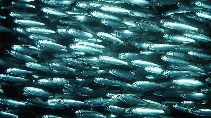
Marine, pelagic and presumably schooling (Ref. 189, 1602, 5213), at depths of 0-50m (Ref. 82332). Found mostly inshore in bays, lagoons, harbours, mangrove pools and estuaries, thus apparently able to tolerate lowered salinities (Ref. 189, 30573). It contributes to general clupeoid catches, but no special fishery (Ref. 189). Used as a baitfish in Pacific Ocean (Ref. 189).
ວົງຈອນຊີວິດ ແລະພຶດຕິກໍາການຫາຄູ່
ການຈະເລີນເຕັມໄວ | ການສືບພັນ | ການວາງໄຂ່ | ໄຂ່ | ຄວາມດົກຂອງໄຂ່ປາ | ຕົວອ່ອນ
Whitehead, P.J.P., G.J. Nelson and T. Wongratana, 1988. FAO Species Catalogue. Vol. 7. Clupeoid fishes of the world (Suborder Clupeoidei). An annotated and illustrated catalogue of the herrings, sardines, pilchards, sprats, shads, anchovies and wolf-herrings. FAO Fish. Synop. 125(7/2):305-579. Rome: FAO. (Ref. 189)
ສະຖານະພາບບັນຊີແດງຂອງ IUCN (Ref. 130435: Version 2025-2 (Global))
ໄພຂົ່ມຂູ່ຕໍ່ມະນຸດ
Harmless
ການນໍາໃຊ້ຂອງມະນຸດ
ການປະມົງ: ທີ່ເປັນການຄ້າໜ້ອຍ; ເຍື່ອ: usually
ເຄື່ອງມື
ບົດລາຍງານພິເສດ
ດາວໂຫລດ XML
ແຫຼ່ງອີນເຕີເນັດ
ການຄາດຄະເນໂດຍອີງໃສ່ແບບຈໍາລອງ
ອຸນຫະພູມທີ່ຕ້ອງການ (ເອກະສານອ້າງອີງ
123201): 25.9 - 29.1, mean 28.2 °C (based on 1158 cells).
ດັດຊະນີຄວາມຫຼາກຫຼາຍທາງຊີວະພາບ (ເອກະສານອ້າງອີງ
82804): PD
50 = 0.5020 [Uniqueness, from 0.5 = low to 2.0 = high].
Bayesian length-weight: a=0.00525 (0.00310 - 0.00890), b=3.23 (3.08 - 3.38), in cm total length, based on LWR estimates for this species & (Sub)family-body (Ref.
93245).
ຊັ້ນເຂດຮ້ອນ (ເອກະສານອ້າງອີງ
69278): 2.9 ±0.26 se; based on food items.
Generation time: 1.1 ( na - na) years. Estimated as median ln(3)/K based on 1
growth studies.
ຄວາມຢືດຢຸ່ນ (ເອກະສານອ້າງອີງ
120179): ສູງ, ປະຊາກອນຕຳ່ສຸດທີ່ໃຊ້ເວລາສອງໜ້ອຍກວ່າ 15 ເດືອນ (Preliminary K or Fecundity.).
ຄວາມສ່ຽງຕໍ່ການຫາປາ (Ref.
59153): Low vulnerability (14 of 100).
🛈
ທາດອາຫານ (Ref.
124155): Calcium = 252 [138, 574] mg/100g; Iron = 2.01 [1.12, 3.61] mg/100g; Protein = 18.7 [17.2, 20.1] %; Omega3 = 0.476 [0.242, 0.968] g/100g; Selenium = 35.7 [17.1, 75.6] μg/100g; VitaminA = 30.5 [8.0, 82.8] μg/100g; Zinc = 2.04 [1.38, 3.01] mg/100g (wet weight);