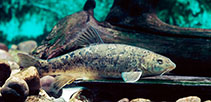
>
Cypriniformes (Carps) >
Cyprinidae (Minnows or carps) > Barbinae
Etymology: Barbus: Latin, barbus = barbel (Ref. 45335).
Eponymy: Sir Charles Alfred Payton (1843–1926) was a British adventurer, writer, fisherman and diplomat who was British Consul to Morocco, where this barb is found. [...] (Ref. 128868), visit book page.
More on author: Risso.
ສະພາບແວດລ້ອມ: ສະພາບແວດລ້ອມ / ເຂດດິນຟ້າອາກາດ / ລະດັບຄວາມເລິກ / ຂອບເຂດການແຈກຢາຍ
ນິເວດວິທະຍາ
; ນ້ຳຈືດ ກ່ຽວກັບ (ຢູ່)ເທິງຊັ້ນພື້ນດິນໃນທະເລເປີດ; ກຸ່ມຫຼືຊະນິດປາທີ່ມີການເຄື່ອນຍ້າຍພາຍໃນນ້ຳຈືດ (Ref. 138297). Temperate; 5°C - 25°C (Ref. 12468); 53°N - 36°N, 10°W - 29°E
Europe: rivers draining to Mediterranean from Besos (near Barcelona, northeastern Spain) to Var (at Nice, southeastern France) drainages, including Rhône as far uprivers as Lyon; some headwaters of Garonne basin in Ariège, Tarn and Aveyron (France), apparently native in most, but introduced in at least some upper Tarn localities (Ref. 59043). Barbus meridionalis graellsii found in southern France and central and northern Spain (now recognized as species (Ref. 13696)). The Italian populations now recognized as Barbus caninus (Ref. 13696).
ຂະໜາດ / ນ້ຳໜັກ / ອາຍຸ
ການຈະເລີນເຕັມໄວ: Lm ? range ? - ? cm
Max length : 27.0 cm SL ຕົວຜູ້/ບໍ່ມີເພດ; (Ref. 27718); 25.3 cm FL (female); common length : 20.0 cm TL ຕົວຜູ້/ບໍ່ມີເພດ; (Ref. 556); ນ້ຳໜັກສູງສຸດທີ່ເຄຍຈັດພີມມາ: 200.00 g (Ref. 30578)
ຄີ (ໜາມ)ແຂງຢູ່ຫຼັງປາ (ທັງໝົດ) : 3 - 4; ຄີຫຼັງຂອງປາ (ຄີອ່ອນ) (ທັງໝົດ) : 7 - 9; ຄີ(ໜາມ) ແຂງຢູ່ຄີກົ້ນປາ
ກຸ່ມປາກະດູກແຂງ
ຄວາມຖີ່ຂອງກຸ່ມຖ່າຍທອດພັນ
ປາທີ່ມີການເຄື່ອນຍ້າຍຈາກທະເລໄປຫານ້ຳຈືດ ແລະນ້ຳຈືດຫາທະເລ
ປາທີ່ມີການເຄື່ອນຍ້າຍຈາກທະເລແລະໄປໄຂ່ຢູ່ນ້ຳຈືດ
ຄີກົ້ນຂອງປາ
ສັດທີ່ມີກະດູກສັນຫັຼງ
ການຖ່າຍທອດທາງກຳມະພັນຈາກພໍ່ແມ່ຫາລູກ: 2 - 3; ຄີກົ້ນຂອງປາ: 5 - 6; ສັດທີ່ມີກະດູກສັນຫຼັງ: 34 - 35. Diagnosed from other species of Barbus and Luciobarbus in Apennine and Iberian Peninsulas and southern France by the following characters: 44-48 +2 scales on lateral line; 24-28 scale rows around caudal peduncle; head, back, sides and fins with large, irregular black dots; last simple dorsal ray not spinous, flexible, not serrated posteriorly; lower lip thick, with a median swollen pad (Ref. 59043). Caudal fin with 16-19 rays (Ref. 2196).
Body shape (shape guide): fusiform / normal.
Adults inhabit upper and middle stretches of streams with fast, clear and well oxygenated water, as well as lowland areas where Barbus barbus is absent (Ref. 59043). A short-lived species which is found in clear waters over sand and gravel. They feed on small invertebrates and (rarely) plants. A combative fish which can be captured with bows or floating ling lines (Ref. 30578). Threatened due to water abstraction and pollution (Ref. 26100) and habitat modification (Ref. 59043). In southern France, locally forms partly fertile hybrids with B. barbus. May attain a maximum size of about 27 cm SL (Ref. 59043).
ວົງຈອນຊີວິດ ແລະພຶດຕິກໍາການຫາຄູ່
ການຈະເລີນເຕັມໄວ | ການສືບພັນ | ການວາງໄຂ່ | ໄຂ່ | ຄວາມດົກຂອງໄຂ່ປາ | ຕົວອ່ອນ
Kottelat, M. and J. Freyhof, 2007. Handbook of European freshwater fishes. Publications Kottelat, Cornol and Freyhof, Berlin. 646 pp. (Ref. 59043)
ສະຖານະພາບບັນຊີແດງຂອງ IUCN (Ref. 130435: Version 2025-2 (Global))
ໄພຂົ່ມຂູ່ຕໍ່ມະນຸດ
Harmless
ການນໍາໃຊ້ຂອງມະນຸດ
ການປະມົງ: ການປະມົງແບບກຸ້ມຕົນເອງ; ຊະນິດປາທີ່ຖືກນຳໃຊ້ເຂົ້າໃນການຫາເພື່ອເປັນເກມກິລາ: ແມ່ນ
ເຄື່ອງມື
ບົດລາຍງານພິເສດ
ດາວໂຫລດ XML
ແຫຼ່ງອີນເຕີເນັດ
ການຄາດຄະເນໂດຍອີງໃສ່ແບບຈໍາລອງ
ດັດຊະນີຄວາມຫຼາກຫຼາຍທາງຊີວະພາບ (ເອກະສານອ້າງອີງ
82804): PD
50 = 0.5000 [Uniqueness, from 0.5 = low to 2.0 = high].
Bayesian length-weight: a=0.01175 (0.00735 - 0.01879), b=2.97 (2.84 - 3.10), in cm total length, based on LWR estimates for this species & Genus-body shape (Ref.
93245).
ຊັ້ນເຂດຮ້ອນ (ເອກະສານອ້າງອີງ
69278): 2.9 ±0.36 se; based on food items.
Generation time: 7.7 ( na - na) years. Estimated as median ln(3)/K based on 1
growth studies.
ຄວາມຢືດຢຸ່ນ (ເອກະສານອ້າງອີງ
120179): ຕຳ່, ປະຊາກອນຕຳ່ສຸດທີ່ໃຊ້ເວລາສອງເທົ່າ 4.5 - 14 ປີ (K=0.14; Fec=669).
ຄວາມສ່ຽງຕໍ່ການຫາປາ (Ref.
59153): Moderate to high vulnerability (51 of 100).
🛈