>
Gobiiformes (Gobies) >
Gobiidae (Gobies) > Gobiinae
Etymology: Neogobius: Greek, neos = new + Latin, gobius = gudgeon (Ref. 45335).
More on author: Pallas.
ສະພາບແວດລ້ອມ: ສະພາບແວດລ້ອມ / ເຂດດິນຟ້າອາກາດ / ລະດັບຄວາມເລິກ / ຂອບເຂດການແຈກຢາຍ
ນິເວດວິທະຍາ
; ນ້ຳຈືດ; ນ້ຳກ່ອຍ ກ່ຽວກັບ (ຢູ່)ເທິງຊັ້ນພື້ນດິນໃນທະເລເປີດ. Temperate; 4°C - 20°C (Ref. 2059); 56°N - 36°N, 25°E - 54°E
Eurasia: Azov and Black Sea basins. Invasive in rivers of northern Black Sea basin, recorded in 1997 from middle Vistula (Poland), reaching from Dniepr via a navigation canal. In Danube upriver to Hungary, in Dniepr up to Belurus. Introduced in Lake Balaton, Hungary around 1970.
ຂະໜາດ / ນ້ຳໜັກ / ອາຍຸ
ການຈະເລີນເຕັມໄວ: Lm ? range ? - ? cm
Max length : 20.0 cm SL ຕົວຜູ້/ບໍ່ມີເພດ; (Ref. 59043); ອາຍຸສູງສຸດທີ່ເຄຍລາຍງານມາ: 5 ປີ (Ref. 59043)
ຄີ (ໜາມ)ແຂງຢູ່ຫຼັງປາ (ທັງໝົດ) : 7; ຄີຫຼັງຂອງປາ (ຄີອ່ອນ) (ທັງໝົດ) : 14 - 18; ຄີ(ໜາມ) ແຂງຢູ່ຄີກົ້ນປາ
ກຸ່ມປາກະດູກແຂງ
ຄວາມຖີ່ຂອງກຸ່ມຖ່າຍທອດພັນ
ປາທີ່ມີການເຄື່ອນຍ້າຍຈາກທະເລໄປຫານ້ຳຈືດ ແລະນ້ຳຈືດຫາທະເລ
ປາທີ່ມີການເຄື່ອນຍ້າຍຈາກທະເລແລະໄປໄຂ່ຢູ່ນ້ຳຈືດ
ຄີກົ້ນຂອງປາ
ສັດທີ່ມີກະດູກສັນຫັຼງ
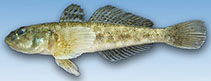
ການຖ່າຍທອດທາງກຳມະພັນຈາກພໍ່ແມ່ຫາລູກ: 1; ຄີກົ້ນຂອງປາ: 12 - 17. This species is distinguished from its congeners entering freshwater in the Black Sea basin by the following characters: first branched ray of second dorsal about twice as long as penultimate ray; completely scaled nape; pelvic-disc fraenum with small rounded lobes and the length is less than 1/6 of width at base; pelvic disc reaching 90-100% of distance between its origin and anus; scales in midlateral series 55-61 + 2-4; posterior part of first dorsal without black spot (Ref. 59043).
Body shape (shape guide): fusiform / normal.
Occurs in inshore habitats, estuaries and brackish- and fresh-water lagoons and lakes; large to medium sized rivers and streams; on sand or mud bottom. It is one of the most abundant fish in lowland rivers. This species lives up to 5 years; spawns for the first time at 2 years; spawning season in April to July, locally until September, when temperature is above 13°C; females may repeat spawning during a season. Males with body completely black with yellow fin margins during the spawning season; these excavate nests under any kind of hard substrate and guard eggs until hatching; with adhesive eggs deposited on stones, shells and aquatic plants. Feeds on a variety of invertebrates, especially molluscs (Ref.59043).
Deposits oval eggs on stones. Male guards the eggs for 3-4 days (Ref.26211).Males have completely black body with yellow fin margins during spawning season. (Ref.59043).
Kottelat, M. and J. Freyhof, 2007. Handbook of European freshwater fishes. Publications Kottelat, Cornol and Freyhof, Berlin. 646 pp. (Ref. 59043)
ສະຖານະພາບບັນຊີແດງຂອງ IUCN (Ref. 130435: Version 2025-2 (Global))
ໄພຂົ່ມຂູ່ຕໍ່ມະນຸດ
Harmless
ການນໍາໃຊ້ຂອງມະນຸດ
ການປະມົງ: ທີ່ເປັນການຄ້າໜ້ອຍ
ເຄື່ອງມື
ບົດລາຍງານພິເສດ
ດາວໂຫລດ XML
ແຫຼ່ງອີນເຕີເນັດ
ການຄາດຄະເນໂດຍອີງໃສ່ແບບຈໍາລອງ
ດັດຊະນີຄວາມຫຼາກຫຼາຍທາງຊີວະພາບ (ເອກະສານອ້າງອີງ
82804): PD
50 = 0.5625 [Uniqueness, from 0.5 = low to 2.0 = high].
Bayesian length-weight: a=0.01000 (0.00817 - 0.01224), b=3.03 (2.97 - 3.09), in cm total length, based on LWR estimates for this species (Ref.
93245).
ຊັ້ນເຂດຮ້ອນ (ເອກະສານອ້າງອີງ
69278): 3.4 ±0.1 se; based on diet studies.
Generation time: 2.6 ( na - na) years. Estimated as median ln(3)/K based on 2
growth studies.
ຄວາມຢືດຢຸ່ນ (ເອກະສານອ້າງອີງ
120179): ສູງ, ປະຊາກອນຕຳ່ສຸດທີ່ໃຊ້ເວລາສອງໜ້ອຍກວ່າ 15 ເດືອນ (Preliminary K or Fecundity.).
ຄວາມສ່ຽງຕໍ່ການຫາປາ (Ref.
59153): Low vulnerability (21 of 100).
🛈