ສະພາບແວດລ້ອມ: ສະພາບແວດລ້ອມ / ເຂດດິນຟ້າອາກາດ / ລະດັບຄວາມເລິກ / ຂອບເຂດການແຈກຢາຍ
ນິເວດວິທະຍາ
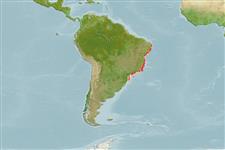
ສັດທະເລ ກ່ຽວກັນຫີນ; ບໍ່ມີການເຄື່ອນຍ້າຍ; ລະດັບຄວາມເລິກ 0 - 30 m (Ref. 7247). Tropical; 6°S - 30°S, 50°W - 31°W
Western Atlantic: Brazil. Caribbean (described from Cuban specimens) species refers to Stegastes xanthurus (formerly considered as a junior synonym of S. variabilis). Populations from Brazil and the Caribbean are genetically very distinct (Roberstson & van Tassell, 2012; accessed 08 August 2016; http://biogeodb.stri.si.edu/caribbean/en/thefishes/species/3884).
ຂະໜາດ / ນ້ຳໜັກ / ອາຍຸ
ການຈະເລີນເຕັມໄວ: Lm ? range ? - ? cm
Max length : 12.5 cm TL ຕົວຜູ້/ບໍ່ມີເພດ; (Ref. 9626)
ຄີ (ໜາມ)ແຂງຢູ່ຫຼັງປາ (ທັງໝົດ) : 12; ຄີຫຼັງຂອງປາ (ຄີອ່ອນ) (ທັງໝົດ) : 14 - 17; ຄີ(ໜາມ) ແຂງຢູ່ຄີກົ້ນປາ
ກຸ່ມປາກະດູກແຂງ
ຄວາມຖີ່ຂອງກຸ່ມຖ່າຍທອດພັນ
ປາທີ່ມີການເຄື່ອນຍ້າຍຈາກທະເລໄປຫານ້ຳຈືດ ແລະນ້ຳຈືດຫາທະເລ
ປາທີ່ມີການເຄື່ອນຍ້າຍຈາກທະເລແລະໄປໄຂ່ຢູ່ນ້ຳຈືດ
ຄີກົ້ນຂອງປາ
ສັດທີ່ມີກະດູກສັນຫັຼງ
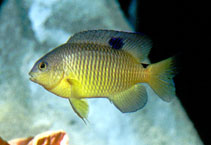
ການຖ່າຍທອດທາງກຳມະພັນຈາກພໍ່ແມ່ຫາລູກ: 2; ຄີກົ້ນຂອງປາ: 12 - 15. Caudal fin slightly forked, with rounded lobes. Dark brown or blue above, shading to yellow below. Narrow, dark, obliquely vertical lines on side. Snout and forehead have bright blue lines. Small dark spot in pectoral axil, another on top of caudal peduncle (Ref. 26938).
Body shape (shape guide): short and / or deep; Cross section: compressed.
Adults inhabit inshore and offshore coral reefs. They feed mainly on benthic algae but also on sponges, ascidians and anemones while juveniles feed on invertebrates like harpacticoid copepods and nemerteans (Ref. 9626). Often solitary (Ref. 9626). Juveniles are aggressively territorial (Ref. 9626). Aggressive when breeding (Ref. 9710). Oviparous, distinct pairing during breeding (Ref. 205). Eggs are demersal and adhere to the substrate (Ref. 205). Males guard and aerate the eggs (Ref. 205). Taken incidentally in traps and small-meshed beach nets (Ref. 5217).
ວົງຈອນຊີວິດ ແລະພຶດຕິກໍາການຫາຄູ່
ການຈະເລີນເຕັມໄວ | ການສືບພັນ | ການວາງໄຂ່ | ໄຂ່ | ຄວາມດົກຂອງໄຂ່ປາ | ຕົວອ່ອນ
Oviparous, distinct pairing during breeding (Ref. 205). Eggs are demersal and adhere to the substrate (Ref. 205). Males guard and aerate the eggs (Ref. 205).
Allen, G.R., 1991. Damselfishes of the world. Mergus Publishers, Melle, Germany. 271 p. (Ref. 7247)
ສະຖານະພາບບັນຊີແດງຂອງ IUCN (Ref. 130435: Version 2025-2 (Global))
ໄພຂົ່ມຂູ່ຕໍ່ມະນຸດ
Harmless
ການນໍາໃຊ້ຂອງມະນຸດ
ການປະມົງ: ເປັນສີນຄ້າ; ຕູ້ປາ: ເປັນສີນຄ້າ
ເຄື່ອງມື
ບົດລາຍງານພິເສດ
ດາວໂຫລດ XML
ແຫຼ່ງອີນເຕີເນັດ
ການຄາດຄະເນໂດຍອີງໃສ່ແບບຈໍາລອງ
ອຸນຫະພູມທີ່ຕ້ອງການ (ເອກະສານອ້າງອີງ
123201): 22.5 - 27.5, mean 25.9 °C (based on 139 cells).
ດັດຊະນີຄວາມຫຼາກຫຼາຍທາງຊີວະພາບ (ເອກະສານອ້າງອີງ
82804): PD
50 = 0.5000 [Uniqueness, from 0.5 = low to 2.0 = high].
Bayesian length-weight: a=0.01660 (0.00923 - 0.02984), b=2.99 (2.83 - 3.15), in cm total length, based on LWR estimates for this species & Genus-body shape (Ref.
93245).
ຄວາມຢືດຢຸ່ນ (ເອກະສານອ້າງອີງ
120179): ສູງ, ປະຊາກອນຕຳ່ສຸດທີ່ໃຊ້ເວລາສອງໜ້ອຍກວ່າ 15 ເດືອນ (Preliminary K or Fecundity.).
ຄວາມສ່ຽງຕໍ່ການຫາປາ (Ref.
59153): Low vulnerability (10 of 100).
🛈
ທາດອາຫານ (Ref.
124155): Calcium = 103 [52, 161] mg/100g; Iron = 0.741 [0.459, 1.216] mg/100g; Protein = 18.1 [17.0, 19.3] %; Omega3 = 0.11 [0.07, 0.18] g/100g; Selenium = 25.1 [13.9, 46.7] μg/100g; VitaminA = 81.5 [21.8, 278.2] μg/100g; Zinc = 1.75 [1.19, 2.54] mg/100g (wet weight);