>
Carangaria/misc (Various families in series Carangaria) >
Latidae (Lates perches)
Etymology: Lates: Latin, lateo, latere = to be hidden.
More on author: Bloch.
ပတ်ဝန်းကျင် : ပတ်ဝန်းကျင် / ရာသီဥတုဇုန် / အနက္အတိုင္းအတာ / ဖြန့်ဖြူးမှုအပိုင်း
ေဂဟေဗဒကိုေလ့လာေသာ ဘာသာရပ္
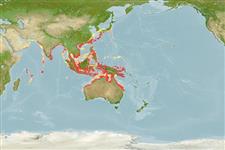
ေရငန္တည္ရွိရာအရပ္; ေရခ်ိဳ; ေရခ်ဳိ၊ေရငန္စပ္ေဒသ ေရအနက္ဆံုးအပိုင္း; ေရငန္တြင္ေနထိုင္ျပီး မ်ဳိးပြားခ်ိန္တြင္ ေရခ်ဳိသို႔သြားေရာက္ သားေပါက္ေသာငါးမ်ဳိး (Ref. 138269); အနက္အတိုင္းအတာ 10 - 40 m (Ref. 7261). Tropical; 15°C - 28°C (Ref. 2060); 49°N - 26°S, 56°E - 155°E (Ref. 54239)
Indo-West Pacific: eastern edge of the Persian Gulf to China, Taiwan and southern Japan, southward to southern Papua New Guinea and northern Australia.
ပထမအရွယ်တွင် အရှည် / အရြယ္အစား / အေလးခ်ိန္ / အသက္အရြယ္
မိ်ဳးပြားရန္အရြယ္ေရာက္ျပီ: Lm 44.5, range 29 - 60 cm
Max length : 200 cm TL အထီး/လိြင္ခြဲျခားျခင္းမျပဳနုိင္ေသာ; (Ref. 7050); common length : 150 cm NG အထီး/လိြင္ခြဲျခားျခင္းမျပဳနုိင္ေသာ; (Ref. 9799); အမ်ားဆံုး ပံုနွိပ္ထုတ္ေ၀ထားေသာ အေလးခ်ိန္: 60.0 kg (Ref. 28138); အမ်ားဆံုး မွတ္တမ္းတင္ထားေသာအသက္: 35 နွစ္မ်ား (Ref. 125591)
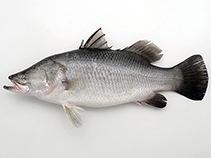
ေက်ာဆူးေတာင္ (စုစုေပါင္း) : 7 - 9; ေက်ာဘက္တြင္ရွိေသာ ေရယက္၌ပါေသာ အမွ်င္မ်ား (စုစုေပါင္း) : 10 - 11; စအိုတြင္ရွိေသာဆူးေတာင္မ်ား: 3; စအိုနားတြင္ရွိျပီး နူးညံ့ေသာေရယက္အမွ်င္မ်ား: 7 - 8. Body elongate; mouth large, slightly oblique, upper jaw extending behind the eye. Lower edge of preopercle serrated, with strong spine at its angle; opercle with a small spine and with a serrated flap above the origin of the lateral line. Caudal fin rounded.
Body shape (shape guide): fusiform / normal; Cross section: compressed.
Found in coastal waters, estuaries and lagoons, in clear to turbid water (Ref. 5259, 44894). A diadromous fish, inhabiting rivers before returning to the estuaries to spawn. A protandrous hermaphrodite (Ref. 32209). Larvae and young juveniles live in brackish temporary swamps associated with estuaries, and older juveniles inhabit the upper reaches of rivers (Ref. 6390, 44894). Have preference for cover on undercut banks, submerged logs and overhanging vegetation (Ref. 44894). Feed on fishes and crustaceans. They reach 1500-3000 g in one year in ponds under optimum conditions (Ref. 11046, 44894). Juveniles also eat insects (Ref. 44894). Sold fresh and frozen; consumed steamed, pan-fried, broiled and baked (Ref. 9987). A very popular and sought-after fish of very considerable economic importance (Ref. 9799). Presently used for aquaculture in Thailand, Indonesia and Australia (Ref. 9799). Australia's most important commercial fish and one of the most popular angling species (Ref. 44894).
Breed in estuaries throughout the Indo-Pacific. Maturing male barramundi migrate downstream from freshwater habitats at the start of the wet (monsoon) season to spawn with resident females in estuaries (Ref. 27132) and on tidal flats outside the mouths of rivers (Ref. 6390).
Barramundi spawn on the full moon and new moon, primarily at the beginning of an incoming tide which carries the eggs into the estuary (Ref. 28135).
Barramundi are broadcast spawners that aggregate to spawn (Ref. 6390). Spawning aggregations occur in or around the mouths of rivers (Ref. 28132). While adults and juveniles are capable of living in fresh water, brackish waters are required for embryonic development (Ref. 6136). Female barramundi are capable of producing large numbers of eggs, with estimates as high as 2.3 million eggs per kg of body weight (Ref. 28134).
Barramundi are protandrous hermaphrodites, i.e., they undergo sex reversion during their life cycle. Females are generally absent in the smaller length classes, but dominate larger length classes. Most barramundi mature first as males and function as males for one or more spawning seasons before undergoing sex inversion. A few females will develop directly from immature fish (Ref. 28132). Similarly, some males may never undergo sex inversion (Ref. 28132). Also Ref. 103751.
Larson, H., 1999. Order Perciformes. Suborder Percoidei. Centropomidae. Sea perches. p. 2429-2432. In K.E. Carpenter and V.H. Niem (eds.) FAO species identification guide for fishery purposes. The living marine resources of the Western Central Pacific. Volume 4. Bony fishes part 2 (Mugilidae to Carangidae). FAO, Rome. (Ref. 9799)
စိုးရိမ္ဖြယ္အေျခအေနသို႔ေရာက္ရွိေန ေသာမ်ိဳးသုဥ္းရွားပါးေတာ့မည့္မ်ိဳးစိတ္မ်ား၏အဆင့္အတန္း (Ref. 130435: Version 2025-2 (Global))
လူသားမ်ားကို ထိတ္လန္႔ေျခာက္ျခားေစသည္။
Harmless
လူသားမ်ား၏အသံုးခ်မႈ
ငါးလုပ္ငန္း: စီးပြားေရးအရ အေရးပါမႈအျမင့္ဆံုး; ေမြးျမဴေရး: စီးပြားေရးးအရ; အေပ်ာ္တန္းငါးမွ်ားျခင္းခံရေသာငါးမ်ိဳးမ်ား: ဟုတ္ကဲ့၊ ဟုတ္ပါသည္။; အလွငါးမ်ားေမြးျမဴထားေသာေနရာ: အမ်ားျပည္သူမ်ားအပန္းေျဖရန္ ေဆာက္လုပ္ေပးထားေသာ ငါးျပတိုက္
ပိုမိုေသာသတင္းအခ်က္အလက္မ်ားကိုရယူနုိင္ရန္္
အသံုးျပဳေသာကိရိယာ
ထူးျခားစြာေရးသားထားေသာ တင္ျပစာ
XML ကူးယူရရွိနိုင္ပါသည္
အင္တာနက္အရင္းအျမစ္
မော်ဒယ်များကို အခြေခံ၍ ခန့်မှန်းချက်
နှစ်သက်ရာ အပူချိန် (က်မ္းကိုးစာရင္း
123201): 25 - 29.1, mean 28.3 °C (based on 710 cells).
Phylogenetic diversity အညွှန်းကိန်း (က်မ္းကိုးစာရင္း
82804): PD
50 = 0.5005 [Uniqueness, from 0.5 = low to 2.0 = high].
Bayesian length-weight: a=0.01000 (0.00634 - 0.01577), b=3.00 (2.87 - 3.13), in cm total length, based on LWR estimates for this species & Genus-body shape (Ref.
93245).
အစာရရွိမႈကြင္းဆက္နွင့္ အစာစားေသာအေလ့အက်င့္ (က်မ္းကိုးစာရင္း
69278): 3.8 ±0.60 se; based on food items.
ထိခိုက္ဒဏ္ရာရရွျပီးမွျပန္လည္ေကာင္းမြန္လာေသာ/မ်ိဳးသုဥ္းေပ်ာက္ကြယ္လုနီးပါးျဖစ္ေနျပီမွ ျပန္လည္ေတြ႕ရွိရေသာ (က်မ္းကိုးစာရင္း
120179): အလယ္အလတ္, (၁နွစ္နွင့္၄လ မွ ၄နွစ္၄လ အခ်ိန္နွစ္ဆအတြင္း အနည္းဆံုးဦးေရ (K=0.09-0.13; tm=1-5; Fec = 15,300,000).
Prior r = 0.52, 95% CL = 0.34 - 0.77, Based on 3 full stock assessments.
ငါးဖမ်းခြင်း အားနည်းချက် (Ref.
59153): High to very high vulnerability (69 of 100).
🛈
ရာသီဥတု အားနည်းချက် (Ref.
125649): High to very high vulnerability (72 of 100).
🛈
အာဟာရများ (Ref.
124155): Calcium = 115 [26, 284] mg/100g; Iron = 1 [0, 2] mg/100g; Protein = 19.6 [18.2, 21.1] %; Omega3 = 0.187 [0.117, 0.295] g/100g; Selenium = 144 [50, 373] μg/100g; VitaminA = 7.36 [2.09, 30.74] μg/100g; Zinc = 0.84 [0.34, 1.90] mg/100g (wet weight); based on
nutrient studies.