Entorno: milieu / zona climática / rango de profundidad / gama de distribución
Ecología
; agua dulce bentopelágico. Temperate; 44°N - 35°N
North America: Columbia River drainage in Washington, Oregon and Idaho, south in Klamath and upper Pit River (Sacramento River drainage) and interior drainages of Nevada and California to Mohave River in south California, USA. Distinctive subspecies were recognized: Gila bicolor snyderi (protected) in Owens River, California; Gila bicolor mohavensis (protected) in Mojave River, California; Gila bicolor bicolor in Klamath River system in Oregon and California; Gila bicolor obesa, a stream and spring-inhabiting form; and G. bicolor pectinifer, a lake-inhabiting form, both in Lake Lahontan basin in Nevada.
Tamaño / Peso / Edad
Madurez: Lm ? range ? - ? cm
Max length : 45.0 cm TL macho / no sexado; (Ref. 86798)
Descripción breve
Claves de identificación | Morfología | Morfometría
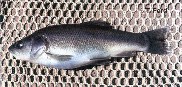
Radios blandos dorsales (total) : 8; Radios blandos anales: 7 - 8. Siphateles bicolor can be distinguished by the following characters: lateral line with 41-64 scales; dorsal fin usually with 8 rays; anal fin with 7-8 rays; pharyngeal teeth 0,5-5,0; deep, compressed body; dorsal-fin origin over pelvic- fin origin; fairly deep caudal peduncle; small, rounded fins; small, terminal to slightly subterminal mouth; does not extend to eye; dusky olive to dark green above; brassy brown side, often mottled in adult; silver white to yellow below; clear to dusky olive fins; young with dusky stripe along side; large individuals may have yellow to copper fins with pink, red, or orange bases, red-orange lower side (Ref. 86798).
Body shape (shape guide): fusiform / normal.
Adults inhabit lakes and quiet, vegetated, mud or sand-bottomed pools of headwaters, creeks and small to large rivers (Ref. 86798). Migratory behaviour is undetermined (Ref. 126106).
Ciclo vital y comportamiento de apareamiento
Madurez | Reproducción | Puesta | Huevos | Fecundidad | Larva
Page, L.M. and B.M. Burr, 2011. A field guide to freshwater fishes of North America north of Mexico. Boston : Houghton Mifflin Harcourt, 663p. (Ref. 86798)
Situación en la Lista Roja de la UICN (Ref. 130435: Version 2025-2 (Global))
Amenaza para el ser humano
Harmless
Usos humanos
Herramientas
Informes especiales
Descargar XML
Fuentes de Internet
Estimaciones basadas en modelos
Índice de diversidad filogenética (Referencia
82804): PD
50 = 0.6250 [Uniqueness, from 0.5 = low to 2.0 = high].
Bayesian length-weight: a=0.01202 (0.00494 - 0.02925), b=3.03 (2.81 - 3.25), in cm total length, based on LWR estimates for this species & (Sub)family-body (Ref.
93245).
Nivel trófico (Referencia
69278): 2.0 ±0.2 se; based on size and trophs of closest relatives
Generation time: 5.8 ( na - na) years. Estimated as median ln(3)/K based on 2
growth studies.
Resiliencia (Referencia
120179): Medio, población duplicada en un tiempo mínimo de 1.4-4.4 años (K=0.19-0.33).
Vulnerabilidad pesquera (Ref.
59153): Moderate to high vulnerability (49 of 100).
🛈