>
Elopiformes (Tarpons and tenpounders) >
Elopidae (Tenpounders)
Etymology: Elops: Greek, ellops = a kind of serpent (Ref. 45335).
More on author: Regan.
ສະພາບແວດລ້ອມ: ສະພາບແວດລ້ອມ / ເຂດດິນຟ້າອາກາດ / ລະດັບຄວາມເລິກ / ຂອບເຂດການແຈກຢາຍ
ນິເວດວິທະຍາ
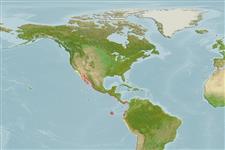
ສັດທະເລ; ນ້ຳກ່ອຍ pelagic-neritic; ປາທີ່ມີການເຄື່ອນຍ້າຍໃນສະເພາະມາະຫາສະມຸດ (Ref. 51243); ລະດັບຄວາມເລິກ 0 - 10 m (Ref. 96339). Subtropical; 36°N - 19°S, 122°W - 70°W (Ref. 118622)
Eastern Pacific: Mandalay Beach, southern California, USA to Peru, including the Gulf of California.
ຂະໜາດ / ນ້ຳໜັກ / ອາຍຸ
ການຈະເລີນເຕັມໄວ: Lm ? range ? - ? cm
Max length : 91.0 cm TL ຕົວຜູ້/ບໍ່ມີເພດ; (Ref. 28050); common length : 50.0 cm TL ຕົວຜູ້/ບໍ່ມີເພດ; (Ref. 9297)
ຄີ (ໜາມ)ແຂງຢູ່ຫຼັງປາ (ທັງໝົດ) : 0; ຄີຫຼັງຂອງປາ (ຄີອ່ອນ) (ທັງໝົດ) : 20 - 27; ຄີ(ໜາມ) ແຂງຢູ່ຄີກົ້ນປາ
ກຸ່ມປາກະດູກແຂງ
ຄວາມຖີ່ຂອງກຸ່ມຖ່າຍທອດພັນ
ປາທີ່ມີການເຄື່ອນຍ້າຍຈາກທະເລໄປຫານ້ຳຈືດ ແລະນ້ຳຈືດຫາທະເລ
ປາທີ່ມີການເຄື່ອນຍ້າຍຈາກທະເລແລະໄປໄຂ່ຢູ່ນ້ຳຈືດ
ຄີກົ້ນຂອງປາ
ສັດທີ່ມີກະດູກສັນຫັຼງ
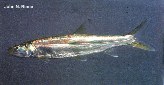
ການຖ່າຍທອດທາງກຳມະພັນຈາກພໍ່ແມ່ຫາລູກ: 0; ຄີກົ້ນຂອງປາ: 12 - 18; ສັດທີ່ມີກະດູກສັນຫຼັງ: 78 - 82. Body slender and elongate; mouth large and terminal; bony plate present between branches of lower jaw; branchiostegal rays very numerous (25 to 35); fins lacking spines; lower branch of first gill arch with 16 to 20 gill rakers; scales very small, 100 to 120 in the lateral line; back dark blue-green to light brown; flanks silvery with slight yellow highlights; fins slightly yellowish (ref. 55763). Caudal rays: principal (10+8-9), procurrent (upper:8, lower: 8)
Branchiostegal rays: 23-35
Body shape (shape guide): elongated; Cross section: compressed.
Occur in schools in shallow inshore areas. Penetrate lagoons and estuaries (Ref. 9297). Feed on fish and penaeids (Ref. 50313). Spawning probably occur in the open sea and the transparent larvae migrate towards coastal areas (Ref. 9297). Struggle vigorously when caught on hooks and lines (Ref. 9297). Low commercial value due its numerous spines (Ref. 9297).
ວົງຈອນຊີວິດ ແລະພຶດຕິກໍາການຫາຄູ່
ການຈະເລີນເຕັມໄວ | ການສືບພັນ | ການວາງໄຂ່ | ໄຂ່ | ຄວາມດົກຂອງໄຂ່ປາ | ຕົວອ່ອນ
Eschmeyer, W.N., E.S. Herald and H. Hammann, 1983. A field guide to Pacific coast fishes of North America. Boston (MA, USA): Houghton Mifflin Company. xii+336 p. (Ref. 2850)
ສະຖານະພາບບັນຊີແດງຂອງ IUCN (Ref. 130435: Version 2025-2 (Global))
ໄພຂົ່ມຂູ່ຕໍ່ມະນຸດ
Harmless
ການນໍາໃຊ້ຂອງມະນຸດ
ການປະມົງ: ທີ່ເປັນການຄ້າໜ້ອຍ; ຊະນິດປາທີ່ຖືກນຳໃຊ້ເຂົ້າໃນການຫາເພື່ອເປັນເກມກິລາ: ແມ່ນ
ເຄື່ອງມື
ບົດລາຍງານພິເສດ
ດາວໂຫລດ XML
ແຫຼ່ງອີນເຕີເນັດ
ການຄາດຄະເນໂດຍອີງໃສ່ແບບຈໍາລອງ
ອຸນຫະພູມທີ່ຕ້ອງການ (ເອກະສານອ້າງອີງ
123201): 20.4 - 29.1, mean 25.1 °C (based on 257 cells).
ດັດຊະນີຄວາມຫຼາກຫຼາຍທາງຊີວະພາບ (ເອກະສານອ້າງອີງ
82804): PD
50 = 0.5176 [Uniqueness, from 0.5 = low to 2.0 = high].
Bayesian length-weight: a=0.00617 (0.00269 - 0.01415), b=2.99 (2.80 - 3.18), in cm total length, based on LWR estimates for this (Sub)family-body shape (Ref.
93245).
ຊັ້ນເຂດຮ້ອນ (ເອກະສານອ້າງອີງ
69278): 4.1 ±0.70 se; based on food items.
ຄວາມສ່ຽງຕໍ່ການຫາປາ (Ref.
59153): High vulnerability (56 of 100).
🛈
ທາດອາຫານ (Ref.
124155): Calcium = 57.4 [34.6, 127.5] mg/100g; Iron = 1.01 [0.59, 1.75] mg/100g; Protein = 17.7 [15.2, 20.7] %; Omega3 = 0.24 [0.13, 0.45] g/100g; Selenium = 17.6 [8.6, 38.9] μg/100g; VitaminA = 9.51 [3.42, 26.87] μg/100g; Zinc = 0.776 [0.556, 1.096] mg/100g (wet weight);