Environnement : milieu / zone climatique / profondeur / gamme de distribution
Écologie
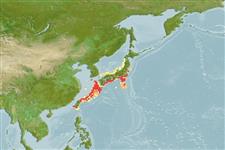
marin démersal; profondeur 220 - 1100 m (Ref. 114953). Temperate; 42°N - 21°N, 119°E - 146°E (Ref. 114953)
Northwest Pacific: Japan and Taiwan.
Taille / Poids / Âge
Maturité: Lm ? range ? - ? cm
Max length : 69.3 cm TL mâle / non sexé; (Ref. 94813)
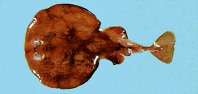
Inhabits shelf edges to about 1000 m (Ref. 41299). Ovoviviparous (Ref. 50449). Maturity size of males at ca. 68 cm TL; birth size at ca. 20 cm TL (Ref. 114953). Reported to be infrequently captured as by-catch, but of no commercial importance (Ref. 94813).
Cycle de vie et comportement reproducteur
Maturité | Reproduction | Frai | Œufs | Fécondité | Larves
Exhibit ovoviparity (aplacental viviparity), with embryos feeding initially on yolk, then receiving additional nourishment from the mother by indirect absorption of uterine fluid enriched with mucus, fat or protein through specialised structures (Ref. 50449).
Mould, B., 1994. A world list of rays. The scientific nomenclature and distribution of the recent Batoidea (Batoidea, Elasmobranchii, Chondrichthyes). University of Nottingham, [UK]. 82 p. (Ref. 8630)
Statut dans la liste rouge de l'IUCN (Ref. 130435: Version 2025-2 (Global))
Menace pour l'homme
Harmless
Utilisations par l'homme
Pêcheries: sans intérêt
Outils
Articles particuliers
Télécharger en XML
Sources Internet
Estimations basées sur des modèles
Indice de diversité phylogénétique (Réf.
82804): PD
50 = 0.5001 [Uniqueness, from 0.5 = low to 2.0 = high].
Bayesian length-weight: a=0.01479 (0.00678 - 0.03229), b=2.97 (2.78 - 3.16), in cm total length, based on LWR estimates for this (Sub)family-body shape (Ref.
93245).
Niveau trophique (Réf.
69278): 4.2 ±0.6 se; based on size and trophs of closest relatives
Résilience (Réf.
120179): Très faible, temps minimum de doublement de population supérieur à 14 ans (Preliminary K or Fecundity.).
Vulnérabilité de la pêche (Ref.
59153): Moderate to high vulnerability (48 of 100).
🛈