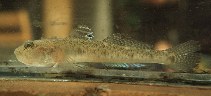
Pomatoschistus minutus, Sand goby : aquarium

You can sponsor this page

Pomatoschistus minutus (Pallas, 1770)

Sand goby
ເພີ່ມ​ການ​ສັງ​ເກດ​ຂອງ​ທ່ານ​ໃນ​ Fish Watcher
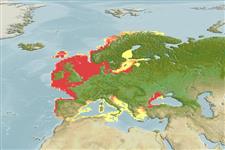
Native range
This map was computer-generated and has not yet been reviewed.
Pomatoschistus minutus   AquaMaps   Data sources: GBIF OBIS
ອັບໂຫລດຂອງທ່ານ ຮູບພາບ ແລະ ວິດີໂອ
ຮູບ | Google image
Image of Pomatoschistus minutus (Sand goby)
Pomatoschistus minutus
Male ຮູບພາບໂດຍ Busse, K.

ການຈັດປະເພດ / ຊື່ ຊື່ສາມັນ | ຄຳສັບຄ້າຍຄືກັນ | Catalog of Fishes(ຕະກຸນ, ຊະນິດ) | ITIS | CoL | WoRMS | Cloffa

> Gobiiformes (Gobies) > Gobiidae (Gobies) > Gobionellinae
Etymology: Pomatoschistus: Greek, poma, -atos = cover, operculum + Greek, schistos = divided (Ref. 45335).
More on author: Pallas.

ສະພາບແວດລ້ອມ: ສະພາບແວດລ້ອມ / ເຂດ​ດິນ​ຟ້າ​ອາ​ກາດ​ / ລະດັບຄວາມເລິກ / ຂອບເຂດການແຈກຢາຍ ນິເວດວິທະຍາ

ສັດທະເລ; ນ້ຳກ່ອຍ ອາໄສຢູ່ໃກ້ໜ້າດິນໃຕ້ພື້ນທ້ອງນ້ຳ; ປາທີ່ມີການເຄື່ອນຍ້າຍຈາກທະເລໄປຫານ້ຳຈືດ ແລະນ້ຳຈືດຫາທະເລ; ລະດັບຄວາມເລິກ 4 - 200 m. Temperate; 8°C - 24°C (Ref. 4944); 71°N - 30°N, 11°W - 34°E

ການແຜ່ກະຈາຍ ອານາເຂດ | ເຂດ FAO | ລະບົບນິເວດ | ການປະກົດຕົວ | ຈຸດໃດໜຶ່ງທີ່ສະແດງອອກໃນແຜນທີ່ (ພ້ອມທັງສະແດງຂໍ້ມູນເພີ້ນເຕີມ) | ການແນະນຳ | Faunafri

Eastern Atlantic: from Norway to Spain (Ref. 51442); also Mediterranean Sea (Ref. 51442) and Black Sea, but probably not throughout. Pomatoschistus minutus elongatus exists in the Mediterranean and the Black Sea.

ຄວາມ​ຍາວ​ໃນ​ການ​ເຕີບ​ໂຕ​ເຕັມ​ຄັ້ງ​ທໍາ​ອິດ​ / ຂະໜາດ / ນ້ຳໜັກ / ອາຍຸ

ການຈະເລີນເຕັມໄວ: Lm 6.3, range 3 - 10 cm
Max length : 11.0 cm TL ຕົວຜູ້/ບໍ່ມີເພດ; (Ref. 4645); ອາຍຸສູງສຸດທີ່ເຄຍລາຍງານມາ: 2.70 ປີ (Ref. 40230)

ຄຳອະທິບາຍສັ້ນໆ ຕົວທີ່ໃຊ້ໃນການຈຳແນກຊະນິດ | ສະລີລະວິທະຍາ | ການວັດແທກຮູບຮ່າງລັກສະນະພາຍນອກຂອງດິນ,ສັດ,ປາ…

ຄີ (ໜາມ)ແຂງຢູ່ຫຼັງປາ (ທັງໝົດ) : 6 - 8; ຄີຫຼັງຂອງປາ (ຄີອ່ອນ) (ທັງໝົດ) : 10 - 12; ຄີ(ໜາມ) ແຂງຢູ່ຄີກົ້ນປາ ກຸ່ມປາກະດູກແຂງ ຄວາມຖີ່ຂອງກຸ່ມຖ່າຍທອດພັນ ປາທີ່ມີການເຄື່ອນຍ້າຍຈາກທະເລໄປຫານ້ຳຈືດ ແລະນ້ຳຈືດຫາທະເລ ປາທີ່ມີການເຄື່ອນຍ້າຍຈາກທະເລແລະໄປໄຂ່ຢູ່ນ້ຳຈືດ ຄີກົ້ນຂອງປາ ສັດທີ່ມີກະດູກສັນຫັຼງ ການຖ່າຍທອດທາງກຳມະພັນຈາກພໍ່ແມ່ຫາລູກ: 1; ຄີກົ້ນຂອງປາ: 9 - 12; ສັດທີ່ມີກະດູກສັນຫຼັງ: 32 - 34. Elongated body (Ref. 51442). The relative great eyes are placed high and close together (Ref. 51442). Joint pelvic fins forming an oval ventral disc (Ref. 51442). Elongated caudal peduncle (Ref. 51442). Predorsal area and nape covered by scales (Ref. 59043). Scales on the back, in front of the first dorsal fin (Ref. 35388). Dark spot on the hind end of first dorsal fin; Dark area on the front part of pectoral fins indistinct or missing.
Body shape (shape guide): elongated.

ຊີວະສາດ     ຄຳແປສັບ (ຕ.ຢ. epibenthic)

This occasionally schooling species is found in inshore sandy and muddy areas. Also found in ecotones near hard bottoms (Ref. 92840). Juveniles found in lower estuaries. Mainly diurnal, this species feeds on small polychaetes, amphipods (corophiids, caprellids), cumaceans and mysids (Ref. 4696). Spawns in summer in shallow waters. Male lures the female into an empty bivalve shell where she lays a portion of eggs. Guarded by the male for 10 days until larvae about 3 mm long. Larvae are pelagic at first. Young fish only start to live at the bottom when 17-18 mm (Ref. 35388).

ວົງຈອນຊີວິດ ແລະພຶດຕິກໍາການຫາຄູ່ ການຈະເລີນເຕັມໄວ | ການສືບພັນ | ການວາງໄຂ່ | ໄຂ່ | ຄວາມດົກຂອງໄຂ່ປາ | ຕົວອ່ອນ

High mortality rate during the first year. Also Ref. 53335.

ເອກະສານອ້າງອີງຫຼັກ ອັບໂຫລດເອກະສານອ້າງອີງຂອງທ່ານ | ເອກະສານອ້າງອີງ | ຜູ້ປະສານງານ | ຜູ້ຮ່ວມມື

Miller, P.J., 1986. Gobiidae. p. 1019-1085. In P.J.P. Whitehead, M.-L. Bauchot, J.-C. Hureau, J. Nielsen and E. Tortonese (eds.) Fishes of the North-eastern Atlantic and the Mediterranean. Volume 3. UNESCO, Paris. (Ref. 4696)

ສະຖານະພາບບັນຊີແດງຂອງ IUCN (Ref. 130435: Version 2025-2 (Global))

  Least Concern (LC) ; Date assessed: 10 March 2020

CITES

Not Evaluated

CMS (Ref. 116361)

Not Evaluated

ໄພຂົ່ມຂູ່ຕໍ່ມະນຸດ

  Harmless


ການນໍາໃຊ້ຂອງມະນຸດ

ການປະມົງ: ທີ່ບໍ່ມີຄວາມສົນໃຈ; ຕູ້ປາ: ບ່ອນວາງສະແດງສັນນ້ຳຂອງລັດ

ຂໍ້ມູນຕື່ມອີກ

ວົງຈອນຊີວິດ
ການສືບພັນ
ການຈະເລີນເຕັມໄວ
ການເຕີບໃຫຍ່ / Gills rel.
ຄວາມດົກຂອງໄຂ່ປາ
ການວາງໄຂ່
ການລວບລວມການວາງໄຂ່
ໄຂ່
ການພັດທະນາໄຂ່
ຕົວອ່ອນ
ການປ່ຽນແປງຂອງຕົວອ່ອນ
ຮ່າງກາຍ
ເນື້ອທີ່ເຫືອກ
ສະໝອງ
ໂອໂຕລິດ
ຟີຊິກສາດ
ອົງປະກອບຂອງຮ່າງກາຍ
ທາດອາຫານ
ການບໍລິໂພກອົກຊີເຈນ
ປະເພດລອຍ
ຄວາມໄວໃນການລອຍ
ເມັດສີທີ່ເບິ່ງເຫັນ
ສຽງປາ
ພະຍາດ & ກາຝາກ
ຄວາມເປັນພິດ (LC50s)
ກຳມະພັນ
ພັນທຸ ກຳ
ກຳມະພັນ
Heterozygosity
ການຖ່າຍທອດທາງກຳມະພັນຈາກພໍ່ແມ່ຫາລູກ
ຄວາມຫຼາກຫຼາຍທາງພັນທຸກໍາ
ມະນຸດທີ່ກ່ຽວຂ້ອງ
ລະບົບການລ້ຽງປາ
ຂໍ້ມູນການລ້ຽງສັດນ້ຳ
ສາຍພັນ
ກໍລະນີ Ciguatera
ສະແຕມ, ຫຼຽນ, ອື່ນໆ.
ເຜີຍແຜ່
ຜູ້ຮ່ວມມື
ເອກະສານອ້າງອີງ
ເອກະສານອ້າງອີງ

ເຄື່ອງມື

ບົດລາຍງານພິເສດ

ດາວໂຫລດ XML

ແຫຼ່ງອີນເຕີເນັດ

ການຄາດຄະເນໂດຍອີງໃສ່ແບບຈໍາລອງ

ອຸນຫະພູມທີ່ຕ້ອງການ (ເອກະສານອ້າງອີງ 123201): 7 - 12.2, mean 9.4 °C (based on 464 cells).
ດັດຊະນີຄວາມຫຼາກຫຼາຍທາງຊີວະພາບ (ເອກະສານອ້າງອີງ 82804):  PD50 = 0.5001   [Uniqueness, from 0.5 = low to 2.0 = high].
Bayesian length-weight: a=0.00631 (0.00471 - 0.00846), b=3.06 (3.02 - 3.10), in cm total length, based on LWR estimates for this species (Ref. 93245).
ຊັ້ນເຂດຮ້ອນ (ເອກະສານອ້າງອີງ 69278):  3.2   ±0.0 se; based on diet studies.
Generation time: 1.2 ( na - na) years. Estimated as median ln(3)/K based on 2 growth studies.
ຄວາມຢືດຢຸ່ນ (ເອກະສານອ້າງອີງ 120179):  ຂະໜາດກາງ, ປະຊາກອນຕຳ່ສຸດທີ່ໃຊ້ເວລາສອງເທົ່າ 1.4 - 4.4 ປີ (K=0.93; tm=0.7; tmax=2.7; fec = 5,231).
ຄວາມສ່ຽງຕໍ່ການຫາປາ (Ref. 59153):  Low vulnerability (15 of 100). 🛈
ທາດອາຫານ (Ref. 124155):  Calcium = 101 [56, 258] mg/100g; Iron = 0.552 [0.269, 1.104] mg/100g; Protein = 18.2 [16.1, 19.8] %; Omega3 = 0.818 [0.358, 1.667] g/100g; Selenium = 11.6 [5.2, 35.1] μg/100g; VitaminA = 17.1 [4.9, 59.8] μg/100g; Zinc = 1.04 [0.71, 1.56] mg/100g (wet weight);